Rhododendron
Rhododendron
Shrubs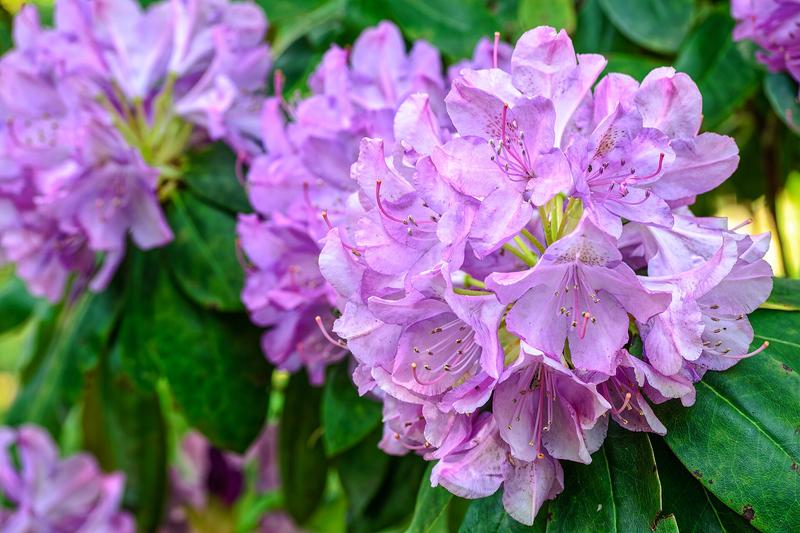
Quick facts
- Watering
- Weekly during dry spells
- Sunlight
- Partial shade
- Soil
- Acidic, moist, well-drained
- Humans
- Toxic
- Cats
- Toxic
- Dogs
- Toxic
- Height
- 60–400 cm
- Spread
- 60–400 cm
- Spacing
- 100–300 cm apart
- RHS recognition
- Award of Garden Merit
About Rhododendron
Rhododendrons are spectacular evergreen shrubs renowned for their magnificent clusters of funnel-shaped flowers in shades ranging from white and pink to deep purple and red, blooming from late winter through to early summer depending on variety. Native to Asia, the Himalayas, and North America, these aristocratic shrubs have been cherished in British gardens since the 18th century and thrive in the UK's mild, moist climate. British gardeners prize rhododendrons for their year-round structure, glossy foliage, and ability to create stunning woodland garden displays, particularly in acidic soil regions of Scotland, Wales, and the West Country.
UK fact: The UK is home to some of the world's finest rhododendron collections, with over 500 varieties holding the RHS Award of Garden Merit, and historic estates like Bodnant Garden in Wales and the Savill Garden in Windsor Great Park showcasing spectacular spring displays that have inspired British gardeners for generations.
Watering Rhododendron
Water deeply once or twice weekly during dry periods, especially in the first two years after planting and during late summer when next year's flower buds are developing. Rhododendrons have shallow, fibrous root systems that dry out quickly, so mulching is essential to retain moisture. Use rainwater where possible, as rhododendrons are sensitive to the lime in hard tap water common across much of southern and eastern England. Established plants in high-rainfall areas of western Britain may need little supplementary watering, but container-grown specimens require regular attention year-round.
Sunlight requirements
Plant in partial shade beneath high canopy trees or on north- or east-facing borders where they receive gentle morning light but are sheltered from intense afternoon sun. In Scotland and northern England, rhododendrons tolerate more sun, whilst in the warmer south they benefit from shade during the hottest part of the day to prevent leaf scorch. Avoid deep shade, which reduces flowering, and full southern exposure, which can damage foliage and stress plants during dry spells.
Soil and feeding
Plant in acidic, humus-rich, moisture-retentive but well-drained soil enriched with ericaceous compost, leaf mould, or composted pine bark. Rhododendrons will not survive in alkaline or chalky soils common in areas like the Cotswolds, South Downs, and parts of East Anglia; gardeners in these regions must grow them in containers filled with ericaceous compost. The ideal soil is similar to woodland conditions: slightly acidic, rich in organic matter, and with excellent drainage to prevent root rot. Test your soil pH before planting, and incorporate sulphur chips if needed to lower pH in borderline soils.
Apply a slow-release ericaceous fertiliser in late spring after flowering has finished, avoiding high-nitrogen feeds which promote soft growth at the expense of flowers. A second light feed in early summer supports the development of next year's flower buds. Mulch annually with composted bark, pine needles, or leaf mould to provide gentle nutrition and maintain soil acidity.
Pruning Rhododendron
Remove faded flower trusses carefully by snapping them off at the base immediately after flowering, taking care not to damage the new growth buds beneath. Prune out dead, damaged, or crossing branches in late spring after flowering, and lightly shape young plants to encourage bushiness. Overgrown or leggy specimens can be renovated by cutting back hard into old wood in late winter, though recovery takes 2-3 years. Avoid autumn or winter pruning, which removes flower buds and exposes plants to frost damage.
Propagating Rhododendron
Semi-ripe cuttings taken in July or August offer the most reliable propagation method for most gardeners, rooting in 8-12 weeks in a heated propagator with ericaceous compost. Layering is slower but virtually foolproof: peg down a low branch in spring, and it will root within 12-18 months before being severed from the parent. Seed propagation is possible but slow and offspring may not come true to type, particularly with hybrid varieties. Species rhododendrons can be grown from seed sown fresh in autumn on ericaceous compost.
Common problems
Rhododendron leaf hopper causes unsightly damage and spreads bud blast disease, a fungal infection that turns flower buds brown and prevents opening; control by removing affected buds and managing leafhoppers. Vine weevil larvae can devastate container-grown plants by eating roots, whilst powdery mildew affects foliage in dry conditions with poor air circulation. Chlorosis (yellowing leaves) indicates iron deficiency caused by alkaline soil or hard water, requiring treatment with sequestered iron and rainwater use. Phytophthora root rot is fatal in waterlogged soils, emphasising the importance of excellent drainage.
Spot a problem with your plant? Photograph the affected area using the Loam app and it will suggest the most likely cause and treatment.
Safety
- Humans
-
Toxic
All parts of rhododendrons are toxic if ingested, containing grayanotoxins that can cause vomiting, diarrhoea, low blood pressure, and in severe cases, cardiac problems. Keep away from children.
- Cats
-
Toxic
Toxic to cats. Ingestion causes vomiting, diarrhoea, drooling, weakness, and potentially fatal heart rhythm abnormalities. Seek immediate veterinary attention if ingestion is suspected.
- Dogs
-
Toxic
Toxic to dogs. Even small amounts can cause vomiting, diarrhoea, drooling, weakness, and cardiac issues. Contact your vet immediately if your dog has eaten any part of a rhododendron.
Toxicity information is for general guidance only. If a person or pet has been exposed to this plant and you are concerned, seek advice from a medical professional or vet.
Seasonal care calendar
Monthly care guide for Rhododendron in the UK, based on average conditions.
| Month | Care tasks |
|---|---|
| January | Protect early-flowering varieties from frost with fleece. Check mulch depth and top up if needed. |
| February | Enjoy early blooms on varieties like 'Christmas Cheer'. Brush snow off branches to prevent breakage. |
| March | Peak flowering begins for many varieties. Protect blooms from late frosts with fleece on cold nights. |
| April | Main flowering season. Deadhead spent blooms promptly. Begin light pruning after flowering finishes. |
| May | Continue deadheading and pruning. Apply ericaceous fertiliser after flowering. Water during dry spells. |
| June | Late varieties finish flowering. Take semi-ripe cuttings from mid-month. Mulch with composted bark or pine needles. |
| July | Take semi-ripe cuttings. Water regularly during dry weather. Watch for vine weevil and rhododendron leafhopper. |
| August | Continue taking cuttings early in month. Maintain watering as flower buds form for next year. Apply light feed. |
| September | Reduce watering as weather cools. Plant new rhododendrons or move existing specimens. Layer low branches. |
| October | Ideal planting month. Clear fallen leaves from around plants to prevent fungal issues. Check for vine weevil damage. |
| November | Continue planting in mild weather. Protect tender varieties in exposed gardens with windbreak netting. |
| December | Minimal care needed. Remove any bud blast-affected buds showing grey fungal bristles. Plan new plantings. |
Frequently asked questions
- When should I prune my rhododendron?
- Prune immediately after flowering in late spring or early summer. Deadhead spent flowers promptly, remove dead or damaged wood, and lightly shape if needed. Avoid autumn or winter pruning, which removes next year's flower buds that form in late summer.
- Why are my rhododendron leaves turning yellow?
- Yellowing leaves (chlorosis) usually indicates iron deficiency caused by alkaline soil or watering with hard tap water. Apply sequestered iron (sequestrene) and switch to rainwater. If soil pH is above 6.0, incorporate sulphur chips or grow in containers with ericaceous compost instead. The Loam app can help diagnose leaf problems through photos and provide personalised care reminders for feeding and watering schedules.
- How do I propagate rhododendrons from cuttings?
- Take semi-ripe cuttings in late summer (July-August), selecting 7-10cm shoots from current year's growth. Remove lower leaves, dip in hormone rooting powder, and insert into pots of ericaceous compost mixed with perlite. Cover with a plastic bag or propagator lid, keep in a shaded cold frame, and mist regularly. Cuttings root slowly over winter and can be potted on the following spring.
Got a question about growing Rhododendron that isn't covered here? Ask the Garden Advisor in the Loam app. It knows your saved plants and local conditions.
Related plants
This page was compiled with AI assistance and reviewed by our team. .