Jostaberry
Ribes x nidigrolaria
Fruit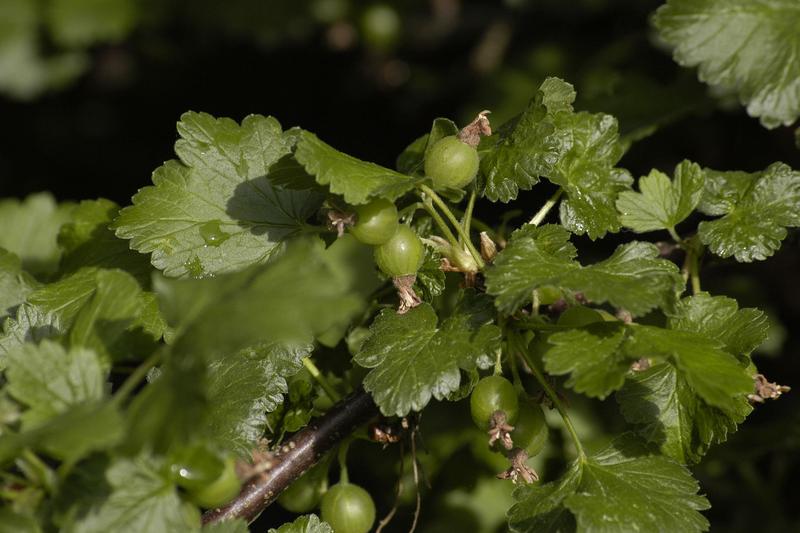
Quick facts
- Watering
- Weekly during fruiting
- Sunlight
- Full sun to partial shade
- Soil
- Moisture-retentive, fertile loam
- Humans
- Safe
- Cats
- Safe
- Dogs
- Safe
- Height
- 120–180 cm
- Spread
- 120–150 cm
- Spacing
- 150–180 cm apart
About Jostaberry
The jostaberry is a vigorous hybrid cross between blackcurrant and gooseberry, developed in Germany in the 1970s and now popular in British gardens. This thornless shrub produces glossy, dark purple-black berries slightly larger than blackcurrants with a unique sweet-tart flavour combining both parent fruits. UK gardeners value jostaberries for their disease resistance, heavy cropping, and ease of cultivation compared to traditional currants. The attractive foliage and compact habit make them suitable for both ornamental and productive kitchen gardens.
UK fact: Jostaberries thrive particularly well in Scotland and northern England where the cooler summers suit their growth habit, often outperforming blackcurrants in these regions with heavier crops and better disease resistance.
Watering Jostaberry
Water regularly during the growing season, particularly from flowering through fruit development in May to July when consistent moisture is essential for good berry size. Established plants need deep watering weekly during dry spells, increasing to twice weekly in hot weather when fruiting. Mulch around the base retains moisture and reduces watering frequency. Reduce watering after harvest but don't allow the soil to dry out completely as next year's fruit buds form in late summer.
Sunlight requirements
Jostaberries perform best in full sun, which promotes the heaviest fruit set and sweetest berries, but tolerate partial shade better than most soft fruits. In southern England, light afternoon shade can prevent stress during hot summers. North-facing positions are acceptable in milder regions, though fruiting may be slightly reduced.
Soil and feeding
Jostaberries thrive in rich, moisture-retentive soil with plenty of organic matter, similar to blackcurrants. They prefer a slightly acidic to neutral pH of 6.0-7.0 but tolerate a wider range than gooseberries. Heavy clay soils are acceptable if not waterlogged, whilst sandy soils require generous incorporation of compost or well-rotted manure to retain moisture. Improve drainage on heavy ground by planting on a slight mound and adding grit.
Apply a balanced general fertiliser such as Growmore at 70g per square metre in early March, or use blood, fish and bone for organic gardens. Mulch with well-rotted manure or compost in late winter to provide slow-release nutrients and suppress weeds. Potassium-rich feeds in early summer improve fruit quality and winter hardiness.
Pruning Jostaberry
Prune jostaberries in winter between November and February whilst dormant, removing the oldest stems at ground level to maintain an open framework of 8-12 productive branches. Remove weak, damaged, or crossing stems, and shorten vigorous new growth by one-third to encourage branching. Unlike gooseberries, jostaberries fruit on both old and new wood, so avoid over-pruning. Established bushes benefit from removing one or two of the oldest stems annually to stimulate renewal growth from the base.
Propagating Jostaberry
Jostaberries propagate readily from hardwood cuttings taken in late autumn or early winter. Select healthy, pencil-thick stems from the current season's growth, cutting into 20-25cm lengths just below a bud at the base and above a bud at the top. Insert cuttings two-thirds deep into a trench of sandy soil in a sheltered spot outdoors, spacing them 15cm apart. Cuttings root over winter and can be transplanted to their final positions the following autumn. Layering is also successful: peg down a low branch in spring, and it will root by the following winter.
Common problems
Jostaberries are notably resistant to American gooseberry mildew and white pine blister rust, the main diseases affecting their parent species, making them relatively trouble-free in UK gardens. Aphids may colonise shoot tips in spring but rarely cause serious damage; encourage natural predators or wash off with water. Birds, particularly blackbirds and thrushes, can strip ripe fruit, so netting from late June is advisable. Potassium deficiency occasionally causes leaf scorch on sandy soils; remedy with sulphate of potash or wood ash applications.
Spot a problem with your plant? Photograph the affected area using the Loam app and it will suggest the most likely cause and treatment.
Safety
- Humans
- Safe
- Cats
- Safe
- Dogs
- Safe
Toxicity information is for general guidance only.
Seasonal care calendar
Monthly care guide for Jostaberry in the UK, based on average conditions.
| Month | Care tasks |
|---|---|
| January | Prune established bushes, removing oldest stems and thinning congested growth. |
| February | Complete winter pruning. Apply well-rotted manure or compost as mulch around the base. |
| March | Apply balanced fertiliser. Take hardwood cuttings if not done in autumn. Watch for aphids on emerging shoots. |
| April | Flowers appear; ensure adequate watering begins. Weed around base and top up mulch if needed. |
| May | Water regularly as fruits develop. Monitor for aphids and treat if necessary. |
| June | Increase watering during dry spells. Net bushes to protect ripening fruit from birds. |
| July | Harvest ripe berries from mid-month onwards. Continue watering and bird protection. |
| August | Complete harvest. Continue watering to support next year's bud formation. Apply potassium-rich feed. |
| September | Reduce watering as growth slows. Clear fallen leaves and debris to prevent disease. |
| October | Plant new bushes or transplant rooted cuttings. Prepare planting sites with organic matter. |
| November | Take hardwood cuttings for propagation. Begin winter pruning if weather permits. |
| December | Continue winter pruning during mild, dry spells. Check stakes and supports. |
Frequently asked questions
- When do jostaberries fruit in the UK?
- Jostaberries ripen from mid-July to early August in most of the UK, slightly later than blackcurrants. The berries turn from green to deep purple-black when ripe and should feel slightly soft to the touch. In Scotland and northern England, harvest may extend into late August. Pick regularly over 2-3 weeks for the best flavour.
- Why are my jostaberry leaves turning yellow?
- Yellowing leaves can indicate waterlogging, nutrient deficiency, or natural ageing of older foliage. Check soil drainage and adjust watering, and ensure you're feeding in spring. The Loam app can help diagnose the specific cause by analysing your plant's symptoms, local weather, and care history to provide personalised recommendations.
- Do jostaberries need a pollination partner?
- No, jostaberries are self-fertile and produce good crops when planted alone, unlike some other Ribes species. However, planting multiple bushes or growing them near other currants can increase yields through cross-pollination and attract more pollinating insects. A single bush is perfectly adequate for most home gardens.
Got a question about growing Jostaberry that isn't covered here? Ask the Garden Advisor in the Loam app. It knows your saved plants and local conditions.
Related plants
This page was compiled with AI assistance and reviewed by our team. .