Rhubarb
Rheum × hybridum
Fruit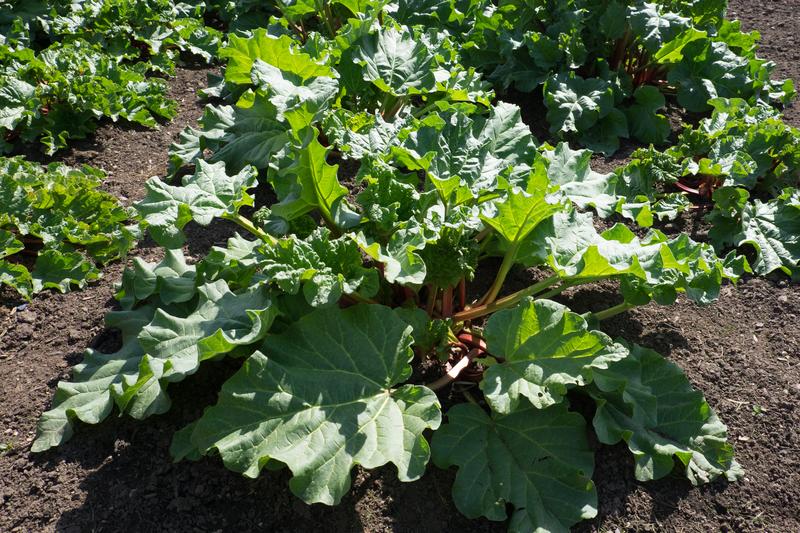
Quick facts
- Watering
- Weekly during growing season
- Sunlight
- Full sun to partial shade
- Soil
- Rich, moisture-retentive, well-drained
- Humans
- Toxic
- Cats
- Toxic
- Dogs
- Toxic
- Height
- 60–120 cm
- Spread
- 90–120 cm
- Spacing
- 90–120 cm apart
About Rhubarb
Rhubarb is a hardy perennial vegetable grown for its tart, edible stalks, which are technically a vegetable but treated as fruit in British cooking. Originating from Siberia and introduced to Britain in the 18th century, it became a staple of Victorian kitchen gardens and remains beloved for pies, crumbles, and jams. The plant produces large, dramatic leaves atop thick pink or red stalks from spring through early summer. Rhubarb thrives in the UK's cool, moist climate and can produce reliably for 10-20 years once established.
UK fact: The 'Rhubarb Triangle' between Wakefield, Morley, and Rothwell in West Yorkshire was once home to over 200 rhubarb growers and produced 90% of the world's winter forced rhubarb, earning Protected Designation of Origin status in 2010.
Watering Rhubarb
Water deeply once or twice weekly during the growing season, providing 2-3 cm of water per week. Rhubarb has deep roots but performs poorly in drought, producing thin, stringy stalks. Mulch around crowns in late spring to retain moisture and suppress weeds. Reduce watering after harvest in midsummer, but don't allow the soil to dry out completely as the plant is building reserves for next year's growth.
Sunlight requirements
Plant in a position receiving at least 6 hours of direct sunlight daily for the best stalk colour and yield. In Scotland and northern England, full sun is ideal, whilst in southern counties partial afternoon shade can prevent stress during hot summers. Avoid deep shade under trees, which produces weak, spindly growth and poor harvests.
Soil and feeding
Prepare the planting site by digging in generous amounts of well-rotted manure or garden compost to at least 45 cm depth. The ideal soil is a moisture-retentive loam with pH 6.0-6.8, though rhubarb tolerates slightly acidic to neutral conditions. Heavy clay soils should be improved with organic matter and grit to prevent waterlogging, which causes crown rot. Avoid shallow, stony, or very sandy soils that dry out quickly and cannot support the plant's vigorous root system.
In late autumn or winter, mulch around crowns with a 5-8 cm layer of well-rotted farmyard manure or garden compost, keeping it clear of the crown itself. In early spring as growth begins, apply a general-purpose fertiliser such as blood, fish and bone at 100g per square metre. Avoid high-nitrogen feeds after June, which promote soft leafy growth at the expense of root development.
Pruning Rhubarb
Pull or cut off any flowering stems (seed heads) immediately, as they divert energy from stalk production and weaken the crown. After harvesting ceases in midsummer, allow the foliage to grow unchecked to build up the plant's reserves. In autumn, once leaves have yellowed and died back naturally, cut them down to ground level and remove to the compost heap. Never remove green, healthy leaves as this weakens the plant significantly.
Propagating Rhubarb
Division is the standard method, producing plants identical to the parent and ready to harvest within one or two years. Lift crowns that are at least 3-4 years old between November and February, using a spade to dig around the entire root system. Divide the crown into sections with a sharp spade or knife, ensuring each piece has at least one strong bud and a good portion of root. Replant divisions immediately at the same depth, spacing them 90-120 cm apart in well-prepared soil.
Common problems
Crown rot (Phytophthora) is the most serious disease, caused by waterlogged soil and appearing as blackened, collapsing crowns; prevention through good drainage is essential. Honey fungus can attack weakened plants, identifiable by white fungal growth under the bark at the crown base. Slugs and snails may damage emerging shoots in spring. Virus diseases occasionally cause mottled, distorted leaves and reduced vigour; affected plants should be removed and destroyed, not composted.
Spot a problem with your plant? Photograph the affected area using the Loam app and it will suggest the most likely cause and treatment.
Safety
- Humans
-
Toxic
Leaves contain high levels of oxalic acid and are poisonous if eaten, causing nausea, vomiting, and kidney damage. Only the stalks are edible; always remove and discard all leaf blades.
- Cats
-
Toxic
Leaves contain oxalic acid which is toxic to cats, causing drooling, vomiting, and potential kidney failure. Keep cats away from rhubarb plants.
- Dogs
-
Toxic
Leaves are poisonous to dogs due to oxalic acid content, causing vomiting, diarrhoea, lethargy, and possible kidney damage. Prevent dogs from accessing rhubarb foliage.
Toxicity information is for general guidance only. If a person or pet has been exposed to this plant and you are concerned, seek advice from a medical professional or vet.
Seasonal care calendar
Monthly care guide for Rhubarb in the UK, based on average conditions.
| Month | Care tasks |
|---|---|
| January | Plant new crowns or divide established plants during mild spells. Check mulch is in place but not covering crowns. |
| February | Last chance to plant bare-root crowns. Force early crops by covering crowns with forcing pots or bins. Apply general fertiliser if not done in autumn. |
| March | Growth begins; apply balanced fertiliser if not already done. Check forced rhubarb under covers. Remove any flowering stems immediately. |
| April | Begin light harvesting of forced rhubarb. Outdoor rhubarb ready to harvest from established plants (3+ years old). Remove flower stems promptly. |
| May | Main harvest period. Pull stalks rather than cutting. Remove flowering stems. Water during dry spells and apply mulch to retain moisture. |
| June | Continue harvesting until mid-month, then stop to allow plants to recover. Remove any late flower stems. Maintain watering during dry weather. |
| July | No harvesting. Allow foliage to grow and replenish the crown. Water during prolonged dry spells. Weed around plants carefully. |
| August | No harvesting. Continue watering if dry. Allow plants to build reserves for next year's growth. |
| September | Foliage begins to decline. Continue light watering if autumn is dry. Prepare new planting sites for autumn planting. |
| October | Leaves yellowing and dying back. Remove completely dead foliage. Begin autumn planting of new crowns towards month end. |
| November | Prime time for planting new crowns and dividing established plants. Apply well-rotted manure mulch around dormant crowns. Clear away all dead foliage. |
| December | Continue planting and division during mild spells. Ensure winter mulch is in place. Plan next year's forcing schedule. |
Frequently asked questions
- When should I plant rhubarb in the UK?
- Plant rhubarb crowns between November and March whilst the plant is dormant, with late autumn being ideal. Choose a sunny spot with well-drained, fertile soil enriched with plenty of well-rotted manure or compost. Space crowns 90cm apart with the buds just below the soil surface. Container-grown plants can be planted year-round if kept well-watered.
- Why are my rhubarb leaves wilting and turning yellow?
- Yellowing, wilting leaves can indicate several issues including crown rot (from waterlogged soil), viral infections, or pest damage. Check for soft, mushy areas at the crown base, and ensure your soil drains well. If you're unsure what's affecting your plant, the Loam app can help diagnose the problem through photos and provide personalised treatment advice based on your growing conditions.
- How do I divide rhubarb plants?
- Divide established rhubarb crowns (at least 5 years old) in late autumn or early winter when dormant. Lift the entire crown with a fork, then use a spade to split it into sections, ensuring each piece has at least one strong bud and plenty of roots. Replant divisions immediately at the same depth, spacing them 90cm apart. Dividing rejuvenates old plants and provides new stock.
Got a question about growing Rhubarb that isn't covered here? Ask the Garden Advisor in the Loam app. It knows your saved plants and local conditions.
Related plants
This page was compiled with AI assistance and reviewed by our team. .