Sorrel
Rumex acetosa
Herbs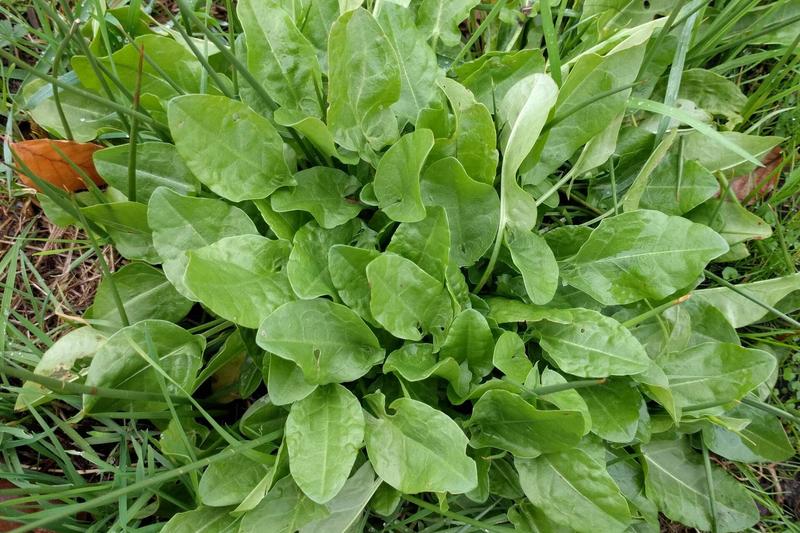
Quick facts
- Watering
- Weekly, more in dry spells
- Sunlight
- Full sun to partial shade
- Soil
- Moist, fertile, slightly acidic
- Humans
- Toxic
- Cats
- Toxic
- Dogs
- Toxic
- Height
- 30–60 cm
- Spread
- 30–45 cm
- Spacing
- 30–40 cm apart
About Sorrel
Sorrel is a hardy perennial herb native to Europe and parts of Asia, prized for its sharp, lemony leaves that add a distinctive tang to salads, soups, and sauces. Growing 30–60 cm tall, it produces arrow-shaped leaves and tall flower spikes in summer. UK gardeners value sorrel as one of the earliest fresh greens available in spring, thriving in our cool, moist climate with minimal fuss. Its robust nature and ability to self-seed make it a reliable addition to herb gardens and kitchen plots across Britain.
UK fact: Sorrel has been cultivated in British kitchen gardens since medieval times and was traditionally used to make 'green sauce' served with fish and lamb, a culinary tradition that continues in many regional British recipes today.
Watering Sorrel
Sorrel requires regular moisture to produce tender, flavourful leaves, particularly during the growing season from spring through autumn. Water weekly during typical UK weather, increasing to twice weekly during dry spells or hot summers to prevent leaves becoming tough and overly bitter. Established plants are reasonably drought-tolerant but quality suffers without adequate moisture. In heavy clay soils common across much of Britain, ensure good drainage to prevent waterlogging during our wet winters.
Sunlight requirements
In the UK, sorrel performs best in full sun to partial shade, with plants in shadier positions producing slightly more tender leaves. South-facing beds are ideal in northern regions, whilst plants in the south benefit from dappled afternoon shade to prevent bolting during warm spells. East or west-facing positions work well throughout Britain, providing the balanced light sorrel prefers.
Soil and feeding
Sorrel thrives in fertile, moisture-retentive soil enriched with organic matter such as well-rotted compost or manure. It prefers a slightly acidic to neutral pH of 5.5–7.0, making it well-suited to many British garden soils. Whilst tolerant of various soil types, sorrel performs best in loamy conditions that hold moisture without becoming waterlogged. Heavy clay soils benefit from added grit or sand to improve drainage, whilst sandy soils require generous organic matter to retain moisture during dry periods.
Feed sorrel with a balanced liquid fertiliser every 4–6 weeks from April through September to maintain vigorous growth and leaf quality. A nitrogen-rich feed encourages lush foliage, though excessive feeding can reduce the characteristic sharp flavour. Mulch with well-rotted compost in early spring to provide slow-release nutrients throughout the season.
Pruning Sorrel
Regular harvesting of outer leaves encourages fresh growth and maintains plant vigour. Cut flower stalks at the base as soon as they appear, typically from June onwards, to prevent the plant diverting energy into seed production and to maintain tender leaf quality. In autumn, cut back tatty foliage to ground level; plants will reshoot in spring. Divide congested clumps every 3–4 years in spring or autumn to rejuvenate plants and maintain productivity.
Propagating Sorrel
Sow seeds directly outdoors from March to July, or start indoors in modules from February for earlier crops. Seeds germinate readily at 15–20°C, typically within 10–14 days. Division is the quickest method for established plants, providing instant mature specimens. Sorrel self-seeds freely if flower heads are left to mature, though seedlings may appear in unwanted locations around the garden.
Common problems
Sorrel is generally trouble-free but can be affected by slugs and snails, which target young leaves in spring and autumn. Leaf spot and rust may occasionally appear in humid conditions, particularly on overcrowded plants with poor air circulation. Remove affected leaves promptly and thin plants to improve airflow. Aphids sometimes colonise young growth in early summer but rarely cause serious damage. The main cultural issue is bolting during hot, dry weather, which makes leaves tough and bitter; regular watering and removing flower stalks helps prevent this.
Spot a problem with your plant? Photograph the affected area using the Loam app and it will suggest the most likely cause and treatment.
Safety
- Humans
-
Toxic
Sorrel contains oxalic acid, which can be harmful in large quantities. Consume in moderation and avoid if prone to kidney stones. Cooking reduces oxalic acid content.
- Cats
-
Toxic
Contains soluble oxalates which can cause oral irritation, drooling, vomiting, and kidney damage in cats if ingested.
- Dogs
-
Toxic
Contains soluble oxalates which can cause oral irritation, drooling, vomiting, and kidney damage in dogs if ingested.
Toxicity information is for general guidance only. If a person or pet has been exposed to this plant and you are concerned, seek advice from a medical professional or vet.
Seasonal care calendar
Monthly care guide for Sorrel in the UK, based on average conditions.
| Month | Care tasks |
|---|---|
| January | No action needed; plants are dormant. Plan new sowings for spring. |
| February | Sow seeds indoors in modules for early crops. Clear away any dead foliage from established plants. |
| March | Sow seeds directly outdoors in milder regions. Divide established clumps. Apply compost mulch around plants. |
| April | Continue sowing outdoors. Transplant indoor-sown seedlings after hardening off. Begin light harvesting of established plants. |
| May | Sow final batches for succession. Harvest outer leaves regularly. Water during dry spells. Begin monthly feeding. |
| June | Remove flower stalks as they appear. Harvest leaves regularly. Continue watering and feeding. Sow for autumn crops. |
| July | Continue removing flower stalks. Harvest regularly. Water frequently during hot weather. Final sowings for late crops. |
| August | Maintain regular harvesting and watering. Remove any remaining flower stalks. Feed to encourage fresh growth. |
| September | Continue harvesting. Divide overcrowded clumps. Reduce watering as weather cools. Final feed of the season. |
| October | Harvest remaining leaves before quality declines. Cut back tatty foliage. Divide plants if needed. |
| November | Clear away dead foliage. No harvesting needed as plants enter dormancy. |
| December | No action needed; plants are fully dormant. Order seeds for spring sowing. |
Frequently asked questions
- How do I stop sorrel spreading throughout my garden?
- Remove all flower stalks before they set seed to prevent self-seeding. Sorrel can spread vigorously if allowed to flower, with seedlings appearing across beds. Deadheading religiously and dividing clumps every few years keeps plants contained and productive.
- Why are my sorrel leaves turning yellow and looking unhealthy?
- Yellowing sorrel leaves can indicate several issues including nutrient deficiency, overwatering, underwatering, or pest problems. Check soil moisture levels and ensure adequate drainage. The Loam app can help diagnose the specific cause by analysing photos of your plant and tracking care patterns, then provide personalised advice to restore your sorrel's health.
- How do I divide and propagate sorrel plants?
- Divide established sorrel clumps every 2–3 years in early spring or autumn. Lift the entire plant with a fork, then use a spade or knife to separate it into sections, ensuring each has roots and shoots. Replant divisions 30 cm apart in moisture-retentive soil enriched with compost. Water well until established. Division rejuvenates old plants and provides new stock for free.
Got a question about growing Sorrel that isn't covered here? Ask the Garden Advisor in the Loam app. It knows your saved plants and local conditions.
Related plants
This page was compiled with AI assistance and reviewed by our team. .