Spinach
Spinacia oleracea
Vegetables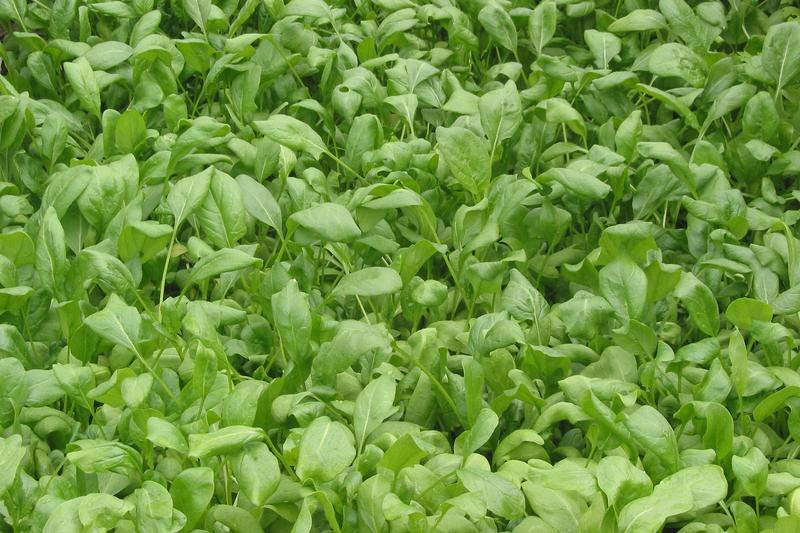
Quick facts
- Watering
- Twice weekly during dry spells
- Sunlight
- Full sun to partial shade
- Soil
- Rich, moisture-retentive, well-drained
- Humans
- Safe
- Cats
- Safe
- Dogs
- Safe
- Height
- 15–30 cm
- Spread
- 15–25 cm
- Spacing
- 10–15 cm apart
About Spinach
Spinach is a fast-growing, leafy annual vegetable prized for its nutritious, dark green leaves that can be harvested young for salads or mature for cooking. Originating from ancient Persia, this cool-season crop has become a staple in British kitchen gardens, thriving in our temperate climate. UK gardeners value spinach for its versatility, quick maturity (often ready in 6–8 weeks), and ability to provide fresh greens from early spring through to late autumn. The plant forms attractive rosettes of oval to arrow-shaped leaves, making it both productive and ornamental in vegetable beds.
UK fact: Spinach thrives particularly well in the cooler, damper conditions of northern England and Scotland, where it's less prone to bolting than in warmer southern regions, making it a reliable crop for Scottish allotments and kitchen gardens.
Watering Spinach
Spinach requires regular, consistent moisture throughout its growing period, with the soil never allowed to dry out completely. During dry spells, water deeply twice weekly, providing approximately 2.5 cm of water per week to encourage tender leaf growth. In typical British spring and autumn conditions, natural rainfall often suffices, but monitor soil moisture during dry periods. Mulching around plants with compost helps retain moisture and keeps roots cool, particularly important during warmer weather when plants are most susceptible to bolting.
Sunlight requirements
In the UK, position spinach in full sun for spring and autumn sowings, particularly in northern regions where temperatures remain moderate. Summer crops benefit from partial shade or east-facing positions to avoid the hottest afternoon sun, which can trigger bolting. In southern England, a spot that receives morning sun and dappled afternoon shade is ideal for extending the harvest season through warmer months.
Soil and feeding
Prepare beds with generous amounts of well-rotted manure or garden compost several weeks before sowing, as spinach is a hungry crop requiring fertile conditions. The ideal soil is a moisture-retentive loam with a pH between 6.5 and 7.5; acidic soils should be limed in autumn before spring planting. Heavy clay soils benefit from the addition of organic matter and sharp sand to improve drainage, whilst light sandy soils need plenty of compost to boost water retention. Avoid freshly manured ground, which can scorch young roots, and ensure beds are weed-free before sowing.
Spinach benefits from regular feeding due to its rapid growth and heavy leaf production. Once seedlings have developed their first true leaves, apply a balanced liquid fertiliser diluted to half strength every fortnight. Alternatively, side-dress with pelleted poultry manure or blood, fish and bone when plants are 5–7 cm tall to provide a steady nitrogen supply throughout the growing season.
Pruning Spinach
Rather than traditional pruning, spinach requires regular harvesting to maintain productivity and delay flowering. Pick outer leaves individually once they reach 7–10 cm in length, leaving the central growing point intact to produce more foliage. Remove any yellowing or damaged leaves promptly to maintain plant health and air circulation. If flower stalks appear, remove them immediately to redirect energy into leaf production, though once bolting begins in earnest, it's best to pull the plant and sow a fresh crop.
Propagating Spinach
Sow spinach seeds directly where they are to grow, as the plants develop a taproot that resents transplanting. For a continuous harvest, make successive sowings every three weeks from March through to May for summer crops, and again from August to September for autumn and overwintering harvests. Winter-hardy varieties sown in September will provide pickings through mild winters and early spring. In colder regions, protect autumn sowings with cloches or fleece to extend the season and ensure germination during cooler weather.
Common problems
Spinach is susceptible to downy mildew, particularly in damp, humid conditions common in the UK; choose resistant varieties and ensure good air circulation between plants. Bolting is the most common cultural problem, triggered by hot weather, drought stress, or long day length; sow bolt-resistant varieties and maintain consistent moisture to minimise risk. Slugs and snails can devastate young seedlings, so use organic pellets, beer traps, or copper barriers for protection. Aphids occasionally colonise leaf undersides in warm weather; spray with soapy water or encourage natural predators such as ladybirds and hoverflies.
Spot a problem with your plant? Photograph the affected area using the Loam app and it will suggest the most likely cause and treatment.
Safety
- Humans
- Safe
- Cats
- Safe
- Dogs
- Safe
Toxicity information is for general guidance only.
Seasonal care calendar
Monthly care guide for Spinach in the UK, based on average conditions.
| Month | Care tasks |
|---|---|
| January | Harvest overwintered crops under cloches. Plan spring sowings and order seeds. |
| February | Prepare beds for early sowings. Make first sowings under cloches in milder regions. |
| March | Begin outdoor sowings in prepared beds. Thin February sowings and protect from birds. |
| April | Continue successive sowings every three weeks. Harvest early crops and water during dry spells. |
| May | Make final spring sowings. Harvest regularly and feed established plants fortnightly. |
| June | Harvest spring-sown crops. Water frequently in warm weather to prevent bolting. |
| July | Continue harvesting. Remove any bolting plants. Prepare beds for autumn sowings. |
| August | Begin autumn sowings from mid-month. Keep soil moist and protect from flea beetles. |
| September | Continue autumn sowings of winter-hardy varieties. Thin August sowings and protect with fleece. |
| October | Harvest autumn crops. Install cloches over late sowings for winter protection. |
| November | Harvest protected crops. Ensure cloches are secure against winter weather. |
| December | Pick leaves from overwintering crops during mild spells. Ventilate cloches on dry days. |
Frequently asked questions
- When should I sow spinach seeds in the UK?
- Sow spinach seeds from March to May for summer crops, and August to September for autumn and winter harvests. For continuous supply, make successive sowings every 2–3 weeks during the growing season. Spring sowings should use bolt-resistant varieties, whilst autumn sowings need winter-hardy types. Sow seeds 2.5 cm deep and 5 cm apart in rows 30 cm apart, in moisture-retentive soil enriched with organic matter.
- How do I identify what's wrong with my spinach plants?
- Spinach problems can stem from pests (aphids, leaf miners, slugs), diseases (downy mildew, leaf spot), or cultural issues (nutrient deficiencies, watering problems, bolting). Look for tell-tale signs: tunnels in leaves indicate leaf miners, white fungal growth suggests downy mildew, and yellowing points to nitrogen deficiency. The Loam app can help diagnose specific problems through photos, provide personalised treatment advice, and send care reminders to prevent issues before they start.
- What type of soil does spinach need to grow well?
- Spinach thrives in fertile, moisture-retentive soil rich in organic matter with a pH of 6.5–7.5. Before sowing, incorporate well-rotted compost or manure to improve soil structure and nutrient content. The soil must drain freely whilst holding moisture, as spinach has shallow roots and suffers in both waterlogged and dry conditions. Avoid recently manured ground, which can cause excessive leaf growth at the expense of flavour.
Got a question about growing Spinach that isn't covered here? Ask the Garden Advisor in the Loam app. It knows your saved plants and local conditions.
Related plants
This page was compiled with AI assistance and reviewed by our team. .