Lettuce
Lactuca sativa
Vegetables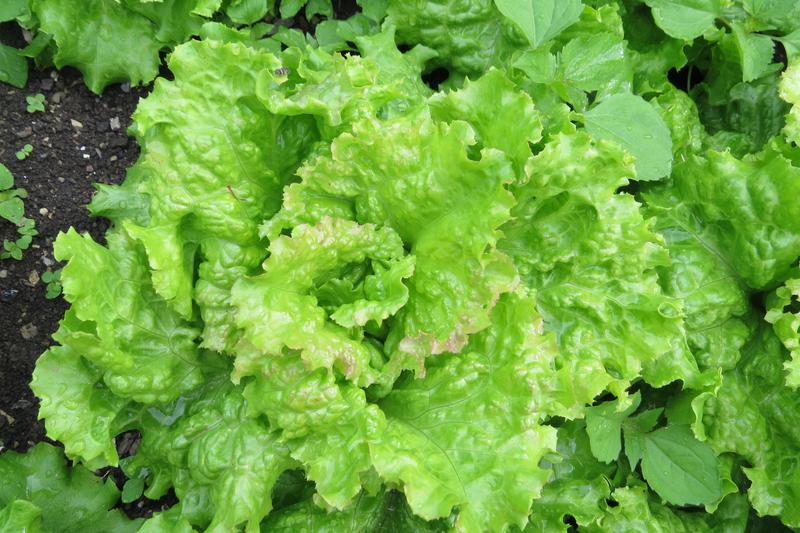
Quick facts
- Watering
- Every 2-3 days in dry weather
- Sunlight
- Full sun to partial shade
- Soil
- Rich, moisture-retentive, well-drained
- Humans
- Safe
- Cats
- Safe
- Dogs
- Safe
- Height
- 15–30 cm
- Spread
- 20–35 cm
- Spacing
- 15–30 cm apart
About Lettuce
Lettuce is a fast-growing, leafy annual vegetable cultivated for its crisp, tender leaves that form loose or tight heads depending on variety. Originating from the Mediterranean region, it has been grown in British kitchen gardens for centuries and remains one of the most popular salad crops. UK gardeners value lettuce for its quick maturity, versatility in the kitchen, and suitability for successive sowings from spring through autumn. With varieties ranging from butterhead and cos to loose-leaf and crisp iceberg types, there's a lettuce to suit every garden and palate.
UK fact: The Victorian walled gardens of Britain pioneered the use of cloches and cold frames to extend the lettuce season, allowing fresh salads to grace tables even in winter—a practice that remains popular with UK allotment holders today.
Watering Lettuce
Water lettuce regularly to maintain even soil moisture, particularly during dry spells, as inconsistent watering can cause bitterness and premature bolting. Apply water at the base of plants in the morning to reduce slug activity and fungal diseases. During the British summer, lettuce may require daily watering in containers or raised beds. Mulching around plants helps retain moisture and keeps roots cool, which is especially important for preventing bolting in warmer weather.
Sunlight requirements
Position lettuce in a spot receiving at least 4-6 hours of sunlight daily, ideally with morning sun and afternoon shade during the warmer months. In the UK, south-facing beds are perfect for spring and autumn crops, whilst east or west-facing positions help prevent premature bolting in summer. During hot spells, consider planting between taller crops that provide dappled shade.
Soil and feeding
Grow lettuce in rich, moisture-retentive soil that has been improved with well-rotted compost or manure several weeks before sowing. The ideal pH is between 6.5 and 7.0, though lettuce tolerates a range from 6.0 to 7.5. Good drainage is essential to prevent root rot, particularly in heavy clay soils common across much of the UK—incorporate horticultural grit or sand if needed. Avoid freshly manured ground, which can cause excessive leaf growth at the expense of heart formation.
In fertile soil, lettuce rarely needs additional feeding during its short growing season. If growth appears slow or leaves look pale, apply a dilute liquid feed high in nitrogen every fortnight. Avoid over-feeding, which produces lush, soft growth prone to aphid attack and reduces flavour.
Pruning Lettuce
Lettuce requires minimal pruning, though removing yellowing or damaged outer leaves helps maintain plant health and discourages pests. For cut-and-come-again varieties, harvest outer leaves regularly with clean scissors, cutting about 2.5 cm above soil level to encourage regrowth. Remove any plants that begin to bolt (send up flower stalks) promptly, as they become bitter and can encourage neighbouring plants to bolt. Thinning seedlings to the correct spacing is essential for good air circulation and healthy development.
Propagating Lettuce
Sow lettuce seeds thinly in drills 1 cm deep and 30 cm apart from March through August for a continuous supply, or start in modules under cover from February. Seeds germinate poorly in temperatures above 25°C, so in summer, sow in the evening and water well, or pre-germinate seeds in the fridge. Thin seedlings to 15-30 cm apart depending on variety once large enough to handle. For winter crops, sow hardy varieties in September under cloches or in a cold frame.
Common problems
Lettuce is susceptible to several common UK pests and diseases, with slugs and snails being the most destructive, particularly to young seedlings—use organic pellets, beer traps, or copper barriers for control. Aphids often colonise the undersides of leaves and in the heart, causing distortion and spreading viruses; wash off with water or use insecticidal soap. Downy mildew appears as yellow patches on upper leaf surfaces with white fungal growth beneath, particularly in damp, cool conditions—improve air circulation and avoid overhead watering. Bolting (premature flowering) is a common problem during hot, dry weather or when plants are stressed, rendering leaves bitter—choose bolt-resistant varieties for summer sowing and maintain consistent moisture.
Spot a problem with your plant? Photograph the affected area using the Loam app and it will suggest the most likely cause and treatment.
Safety
- Humans
- Safe
- Cats
- Safe
- Dogs
- Safe
Toxicity information is for general guidance only.
Seasonal care calendar
Monthly care guide for Lettuce in the UK, based on average conditions.
| Month | Care tasks |
|---|---|
| January | Sow early varieties in heated greenhouse or on a warm windowsill for transplanting under cover in spring. |
| February | Sow seeds in modules under cover for planting out under cloches in March. Prepare beds by incorporating compost. |
| March | Begin outdoor sowings under cloches or fleece. Transplant module-raised seedlings to cold frames or polytunnels. |
| April | Sow directly outdoors in open ground. Make first of fortnightly successive sowings. Thin earlier sowings and protect from slugs. |
| May | Continue successive sowings every 2-3 weeks. Harvest early crops. Water regularly and watch for aphids. |
| June | Sow bolt-resistant summer varieties. Harvest mature heads regularly. Provide shade during hot spells to prevent bolting. |
| July | Sow in the evening when cooler, choosing heat-tolerant varieties. Water daily in dry weather. Harvest regularly. |
| August | Sow autumn and winter varieties for late crops. Continue watering and harvesting. Remove any bolted plants promptly. |
| September | Sow hardy winter varieties under cloches or in cold frames. Harvest summer crops before first frosts. |
| October | Protect late sowings with cloches or fleece. Harvest remaining outdoor crops. Ventilate covered crops on mild days. |
| November | Harvest winter varieties from under cover. Ensure good ventilation in cold frames to prevent fungal diseases. |
| December | Harvest protected crops sparingly. Plan next year's sowings and order seeds for early spring sowing. |
Frequently asked questions
- How do I stop slugs eating my lettuce seedlings?
- Use organic slug pellets, create barriers with copper tape or crushed eggshells, set beer traps, encourage natural predators like frogs and hedgehogs, and water in the morning rather than evening when slugs are most active.
- Why are my lettuce leaves turning brown at the edges?
- Brown leaf edges can indicate inconsistent watering, nutrient deficiency, or tip burn from heat stress. Check soil moisture regularly and ensure even watering. The Loam app can help you diagnose leaf problems with photo identification and set up personalised watering reminders based on your local weather conditions.
- What spacing do lettuce plants need?
- Space hearting lettuce 25-30 cm apart in rows 30 cm apart to allow full head development. Loose-leaf varieties can be grown closer at 15-20 cm spacing, or sow densely and thin progressively, using thinnings as baby leaves. Proper spacing improves air circulation and reduces disease risk.
Got a question about growing Lettuce that isn't covered here? Ask the Garden Advisor in the Loam app. It knows your saved plants and local conditions.
Related plants
This page was compiled with AI assistance and reviewed by our team. .