Chicory
Cichorium intybus
Vegetables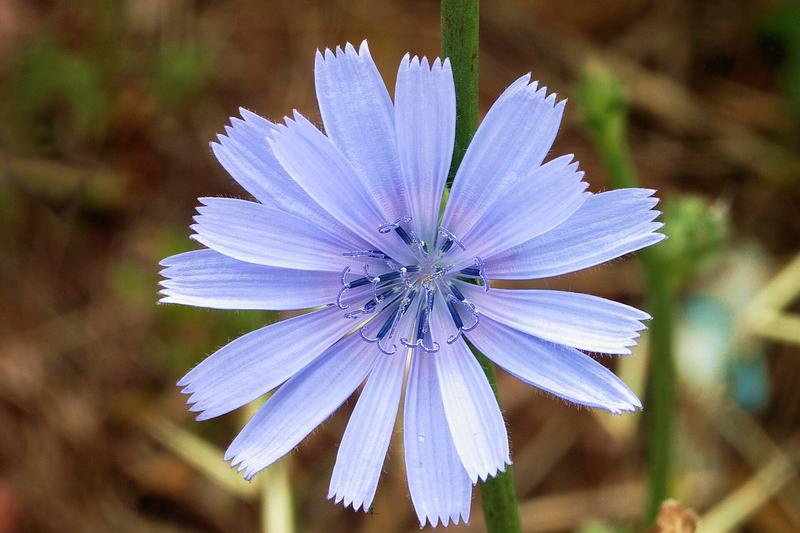
Quick facts
- Watering
- Weekly, more in dry spells
- Sunlight
- Full sun to partial shade
- Soil
- Well-drained, fertile, moisture-retentive
- Humans
- Safe
- Cats
- Safe
- Dogs
- Safe
- Height
- 30–120 cm
- Spread
- 20–30 cm
- Spacing
- 25–30 cm apart
About Chicory
Chicory is a hardy perennial vegetable grown as an annual in UK gardens, prized for its crisp, slightly bitter leaves and blanched chicons. Native to Europe, it has been cultivated in Britain for centuries both as a salad crop and for its roots, which were historically roasted as a coffee substitute. UK gardeners grow chicory for autumn and winter salads, with forcing varieties producing tender, pale chicons during the coldest months. The plant produces attractive blue flowers if left to bolt, making it both productive and ornamental.
UK fact: During World War II, chicory root became a popular coffee substitute across Britain due to rationing, with many households roasting and grinding the roots to extend their meagre coffee supplies.
Watering Chicory
Provide approximately 2.5 cm of water weekly through rainfall or irrigation, increasing frequency during hot, dry spells typical of British summers. Consistent moisture is essential for producing tender, less bitter leaves and preventing premature flowering. Water at the base of plants in the morning to reduce fungal disease risk, and mulch around plants to retain soil moisture. Reduce watering for forcing varieties once roots are lifted in autumn.
Sunlight requirements
Position chicory in a sunny spot receiving at least six hours of direct sunlight daily for the best leaf production and flavour. In southern England, light afternoon shade can be beneficial during hot summers to reduce bitterness and prevent early flowering. North-facing or partially shaded positions work well for late-summer sowings intended for autumn cropping.
Soil and feeding
Grow chicory in rich, well-cultivated soil with plenty of organic matter incorporated to at least 30 cm depth, particularly important for forcing varieties that develop long taproots. The ideal pH range is 6.0-7.5, with slightly alkaline conditions producing the sweetest leaves. Heavy clay soils should be improved with grit and compost to prevent waterlogging, whilst sandy soils benefit from generous additions of well-rotted manure or garden compost to improve moisture retention. Avoid freshly manured ground, which can cause roots to fork.
Apply a general-purpose granular fertiliser such as Growmore at 70g per square metre before sowing or planting. Leaf chicory varieties require little additional feeding, as over-feeding produces lush, excessively bitter foliage. For forcing varieties grown for their roots, a light top-dressing of nitrogen-rich fertiliser in midsummer supports root development without encouraging premature flowering.
Pruning Chicory
Pinch out emerging flower stems on leaf varieties as soon as they appear to redirect energy into foliage production and maintain tenderness. Regularly harvest outer leaves to encourage fresh growth from the centre of the plant. For radicchio types, cut the entire head when firm, leaving a 2.5 cm stump which often produces a second crop of smaller leaves. Forcing varieties require no pruning but should have foliage cut back to 2.5 cm above the crown when roots are lifted in autumn.
Propagating Chicory
Sow chicory seeds directly into prepared soil from mid-April onwards once the soil has warmed, with successional sowings every three weeks until early August for continuous cropping. Forcing varieties should be sown in May or June for lifting in autumn. Seeds germinate readily in UK conditions and transplant poorly due to their taproot, making direct sowing essential for success.
Common problems
Chicory is relatively trouble-free but can suffer from aphid infestations, particularly blackfly on young growth during warm springs. Slugs and snails target seedlings and young leaves, requiring protection with organic pellets or barriers. Bolting is the most common cultural problem, triggered by cold spells after sowing, drought stress, or sowing too early in spring. Downy mildew can affect leaves in damp, humid conditions, appearing as yellow patches with greyish fungal growth beneath.
Spot a problem with your plant? Photograph the affected area using the Loam app and it will suggest the most likely cause and treatment.
Safety
- Humans
- Safe
- Cats
- Safe
- Dogs
- Safe
Toxicity information is for general guidance only.
Seasonal care calendar
Monthly care guide for Chicory in the UK, based on average conditions.
| Month | Care tasks |
|---|---|
| January | Force lifted roots indoors in darkness for chicons. No outdoor activity required. |
| February | Continue forcing roots indoors. Prepare beds for spring sowing by incorporating organic matter. |
| March | Prepare seedbeds and warm soil under cloches for early April sowing. Force remaining stored roots. |
| April | Sow first outdoor crops from mid-month in warmer regions. Thin early sowings and protect from slugs. |
| May | Sow forcing varieties and make successional sowings of leaf types. Thin earlier sowings to final spacing. Water during dry spells. |
| June | Continue successional sowing until mid-month for forcing varieties. Water regularly and remove any flower stems. Harvest early leaf varieties. |
| July | Sow radicchio and sugarloaf types for autumn harvest. Keep plants well-watered and weed-free. Harvest mature leaves regularly. |
| August | Make final sowings of quick-maturing leaf varieties early in month. Continue harvesting and watering established plants. |
| September | Harvest radicchio as heads firm up. Protect late sowings with cloches for extended cropping. Reduce watering for forcing varieties. |
| October | Lift forcing variety roots after first frosts, trim and store in sand for forcing. Harvest sugarloaf types. Protect remaining crops with fleece. |
| November | Complete lifting of forcing roots. Harvest remaining outdoor crops before hard frosts. Begin forcing stored roots indoors. |
| December | Force roots indoors for fresh winter chicons. Harvest any protected outdoor crops. Plan next year's sowings. |
Frequently asked questions
- Why are my chicory leaves turning yellow?
- Yellowing chicory leaves usually indicate nitrogen deficiency, waterlogging, or root disturbance. Feed with a balanced liquid fertiliser every 2-3 weeks during active growth, ensure soil drains well, and avoid disturbing the taproot when weeding. Yellowing outer leaves on mature plants is normal and can be removed.
- How do I know if my chicory has pests or diseases?
- Common chicory problems include aphids on young growth, slugs damaging leaves, and downy mildew causing yellow patches. Check plants regularly for early signs—aphids cluster on shoot tips, slugs leave silvery trails and holes, whilst mildew appears as fuzzy growth on leaf undersides. The Loam app can help you identify specific problems through photos and provide tailored treatment advice for your growing conditions.
- What type of soil does chicory need to grow well?
- Chicory thrives in fertile, well-drained soil with a pH of 6.0-6.5. The deep taproot requires loose, stone-free soil worked to at least 30 cm depth. Incorporate well-rotted compost or manure before sowing, but avoid freshly manured ground which can cause forked roots. Heavy clay soils benefit from added grit or organic matter to improve drainage.
Got a question about growing Chicory that isn't covered here? Ask the Garden Advisor in the Loam app. It knows your saved plants and local conditions.
Related plants
This page was compiled with AI assistance and reviewed by our team. .