Globe Artichoke
Cynara cardunculus var. scolymus
Vegetables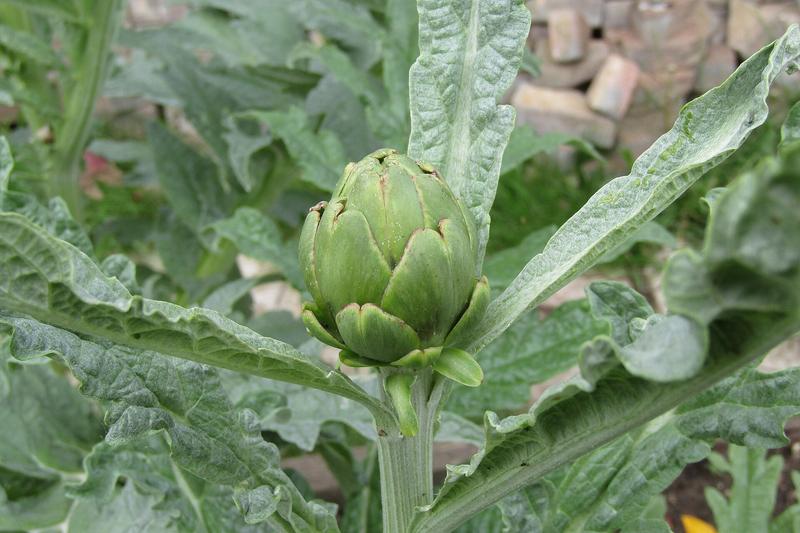
Quick facts
- Watering
- Weekly, more in dry spells
- Sunlight
- Full sun
- Soil
- Rich, well-drained, moisture-retentive
- Humans
- Safe
- Cats
- Safe
- Dogs
- Safe
- Height
- 120–150 cm
- Spread
- 90–120 cm
- Spacing
- 90–100 cm apart
About Globe Artichoke
Globe artichoke is a striking architectural perennial vegetable with silvery-grey, deeply divided leaves and large, thistle-like flower heads that are harvested as edible buds. Native to the Mediterranean, this dramatic plant has been cultivated in British kitchen gardens since the 16th century and thrives in the milder regions of the UK. Gardeners prize it both for its delicious immature flower buds and its ornamental presence in the vegetable patch or herbaceous border. Each plant can produce 10-12 heads per season once established, making it a rewarding long-term crop.
UK fact: Globe artichokes were introduced to England in 1548 and became a fashionable delicacy in Tudor gardens, with Henry VIII reportedly being particularly fond of them at Hampton Court Palace.
Watering Globe Artichoke
Water deeply once or twice weekly during dry weather, providing 10-15 litres per plant to encourage deep root development. During the critical bud formation period from May to July, increase watering frequency to prevent heads from becoming tough and bitter. In typical British summers, established plants may need little supplementary watering except during prolonged dry spells. Reduce watering significantly in autumn and winter when plants are dormant, ensuring soil doesn't become waterlogged.
Sunlight requirements
Position in a sheltered spot receiving at least six hours of direct sunlight daily, ideally in a south or west-facing location. In the UK, a sunny position against a warm wall is ideal in cooler regions, providing both light and protection from cold winds. Insufficient light results in weak growth and poor cropping, with smaller, less flavoursome heads.
Soil and feeding
Prepare planting sites by incorporating generous amounts of well-rotted manure or garden compost to a depth of 30-45cm, as artichokes are greedy feeders with deep roots. The ideal soil is a rich, moisture-retentive loam with a pH between 6.5 and 7.5, though they tolerate slightly alkaline conditions. Heavy clay soils must be improved with grit and organic matter to prevent waterlogging, which causes crown rot during wet British winters. On light, sandy soils, add extra compost to improve water retention during summer.
Apply a general-purpose fertiliser such as blood, fish and bone in early spring at 100g per square metre, then mulch with a 5-8cm layer of well-rotted manure or compost. From May onwards, apply a high-potash liquid feed fortnightly to encourage bud development and improve flavour. In autumn, apply another mulch of organic matter to protect crowns and provide slow-release nutrients for the following season.
Pruning Globe Artichoke
Harvest flower heads by cutting stems 8-10cm below the bud when they're plump but before scales begin to open, typically from June to September. After harvesting, cut flowering stems down to ground level to encourage side shoots and potential secondary crops. In late autumn, cut back all remaining foliage to about 15cm above ground level, then mulch crowns with straw or bracken for winter protection in colder areas. Remove and compost old mulch in spring once frosts have passed to allow soil to warm up.
Propagating Globe Artichoke
The best method is to remove rooted offsets that appear around the base of established plants in March or April, selecting those with 2-3 shoots and good root systems. Alternatively, sow seeds indoors in February-March at 15-18°C, though seed-raised plants are variable and take longer to crop. Division is also possible but offsets are preferred as they crop in their first year. Named varieties must be propagated vegetatively to maintain their characteristics.
Common problems
Blackfly (black bean aphid) commonly infest young shoots and developing buds from May onwards; spray with insecticidal soap or encourage natural predators. Slugs and snails can severely damage emerging shoots in spring, requiring regular patrols and control measures. Petal blight (Itersonilia perplexans) causes brown lesions on flower heads in wet weather; remove affected heads promptly and improve air circulation. In heavy, poorly drained soils, crown rot can occur during wet winters, so ensure excellent drainage and avoid waterlogging.
Spot a problem with your plant? Photograph the affected area using the Loam app and it will suggest the most likely cause and treatment.
Safety
- Humans
- Safe
- Cats
- Safe
- Dogs
- Safe
Toxicity information is for general guidance only.
Seasonal care calendar
Monthly care guide for Globe Artichoke in the UK, based on average conditions.
| Month | Care tasks |
|---|---|
| January | Check winter protection is secure. No other action needed whilst plants are dormant. |
| February | Sow seeds indoors at 15-18°C for planting out in May. Check established plants and repair winter protection if damaged. |
| March | Remove winter mulch once frosts pass. Divide established clumps and plant offsets. Apply blood, fish and bone fertiliser around plants. |
| April | Continue taking offsets for propagation. Mulch around plants with well-rotted compost. Watch for emerging slugs and aphids. |
| May | Plant out pot-grown plants. Begin fortnightly liquid feeding. Water regularly during dry spells. Monitor for blackfly on young growth. |
| June | Harvest first heads when plump but scales still tight. Continue feeding and watering. Cut stems after harvesting to encourage side shoots. |
| July | Main harvest period. Pick heads regularly before they open. Water deeply during dry weather. Continue liquid feeding. |
| August | Continue harvesting. Allow one or two heads to flower for ornamental effect if desired. Maintain watering and feeding regime. |
| September | Harvest final heads. Cut down spent flowering stems to ground level. Reduce watering as growth slows. |
| October | Cut back foliage to 15cm above ground. Apply autumn mulch of well-rotted manure around crowns. Weed around plants. |
| November | In cold areas, apply protective mulch of straw or bracken over crowns. Ensure good drainage to prevent winter waterlogging. |
| December | Check winter protection remains in place. No other action needed whilst plants are dormant. |
Frequently asked questions
- How do I prepare soil for planting globe artichokes?
- Globe artichokes need rich, well-drained soil with plenty of organic matter. Dig in at least one bucketful of well-rotted manure or garden compost per square metre several weeks before planting. The soil pH should be between 6.5-7.5. Choose a sunny, sheltered spot as plants can reach 1.2m tall and wide. Heavy clay soils benefit from added horticultural grit to improve drainage, as waterlogged conditions in winter can rot the crown.
- Why are my artichoke leaves turning yellow?
- Yellowing leaves can indicate several issues: nutrient deficiency (particularly nitrogen), waterlogging, root congestion in older plants, or pest damage from blackfly. Check soil moisture levels and drainage first, then examine leaf undersides for aphids. If the plant is over 4 years old, it may simply be declining and need replacing. The Loam app can help diagnose the specific cause by analysing photos of affected leaves and tracking your plant's care history to identify patterns.
- Can I grow globe artichokes from seed?
- Yes, though named varieties are best propagated from offsets to maintain characteristics. Sow seeds indoors in March-April at 15-18°C, transplanting seedlings when large enough to handle. Seed-grown plants show more variation and may take an extra year to crop compared to offset-grown plants. For reliable cropping, take rooted offsets from the parent plant in April, selecting shoots with 2-3 leaves from the outer edge of established clumps.
Got a question about growing Globe Artichoke that isn't covered here? Ask the Garden Advisor in the Loam app. It knows your saved plants and local conditions.
Related plants
This page was compiled with AI assistance and reviewed by our team. .