Fennel
Foeniculum vulgare
Herbs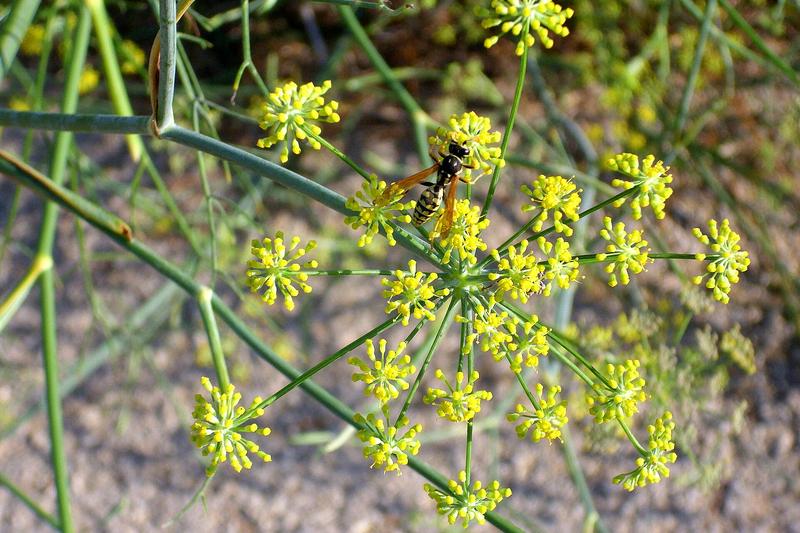
Quick facts
- Watering
- Weekly during dry spells
- Sunlight
- Full sun
- Soil
- Well-drained, fertile, alkaline
- Humans
- Safe
- Cats
- Toxic
- Dogs
- Toxic
- Height
- 120–180 cm
- Spread
- 45–60 cm
- Spacing
- 45–60 cm apart
- RHS recognition
- Award of Garden Merit
About Fennel
Fennel is a tall, graceful perennial herb with feathery, thread-like foliage and umbels of golden-yellow flowers in summer. Native to the Mediterranean, it has been cultivated in Britain since Roman times for its aromatic leaves, seeds, and bulbous stem base. UK gardeners prize fennel for its culinary versatility, ornamental appeal, and ability to attract beneficial insects such as hoverflies and lacewings. Both the common green form and bronze fennel (F. vulgare 'Purpureum') thrive in British gardens, self-seeding freely in well-drained soils.
UK fact: Bronze fennel (Foeniculum vulgare 'Purpureum') holds the RHS Award of Garden Merit and has become a cottage garden favourite across Britain, particularly valued in wildlife gardens for attracting pollinators and providing late-season structure.
Watering Fennel
Water newly planted fennel twice weekly for the first month, then reduce to weekly during dry weather. Established plants are remarkably drought-tolerant thanks to their long taproots, requiring supplementary watering only during extended summer droughts. Avoid overwatering, which can lead to root rot and reduced flavour concentration. In typical British summers, rainfall is usually sufficient for mature plants, though container-grown specimens need regular watering throughout the growing season.
Sunlight requirements
Position fennel in a south or west-facing spot receiving at least six hours of direct sunlight daily. In shadier positions, plants become leggy with reduced flavour intensity and may fail to flower. Avoid planting near dill or coriander, as fennel can cross-pollinate and inhibit their growth.
Soil and feeding
Grow fennel in well-drained soil with a pH of 6.5–8.0, ideally enriched with garden compost before planting. It tolerates a range of soil types including sandy, loamy, and chalky soils, but struggles in heavy clay that retains winter moisture. Good drainage is essential to prevent root rot during wet British winters. Avoid excessively rich soils, which promote lush foliage at the expense of flavour and can cause plants to become floppy and require staking.
Apply a general-purpose granular fertiliser such as blood, fish and bone in early spring at 70g per square metre. Avoid high-nitrogen feeds, which produce excessive soft growth with diminished flavour. Container-grown fennel benefits from monthly liquid feeding with a balanced fertiliser during the growing season.
Pruning Fennel
Remove flower heads as they fade if you wish to prevent self-seeding, though many gardeners allow some seed production for culinary use and to feed birds. Cut the entire plant back to ground level in late autumn once foliage has died back, or leave seed heads standing through winter for architectural interest and wildlife value. Harvest leaves regularly throughout the growing season to encourage bushier growth. In mild areas, fennel may remain semi-evergreen, requiring only the removal of damaged foliage in early spring.
Propagating Fennel
Sow fennel seeds directly into their final positions from April to June, as plants develop a long taproot and resent transplanting. Seeds germinate readily at soil temperatures above 10°C, typically within 10–14 days. Fennel self-seeds enthusiastically in favourable conditions, and seedlings can be transplanted when very small if necessary. Division of established clumps is possible in spring but often unnecessary given the ease of seed propagation.
Common problems
Fennel is relatively trouble-free but can suffer from aphid infestations on young growth, particularly during warm, dry springs. Slugs and snails may damage seedlings and emerging shoots in damp conditions. Powdery mildew can affect foliage in late summer during dry spells, though this rarely causes serious harm. The main cultural issue is excessive self-seeding, which can become invasive if not managed by deadheading spent flowers before seeds ripen.
Spot a problem with your plant? Photograph the affected area using the Loam app and it will suggest the most likely cause and treatment.
Safety
- Humans
- Safe
- Cats
-
Toxic
Fennel contains essential oils that can cause gastrointestinal upset in cats if consumed in quantity.
- Dogs
-
Toxic
Fennel can cause vomiting and diarrhoea in dogs if eaten in significant amounts, though small quantities are generally tolerated.
Toxicity information is for general guidance only. If a pet has been exposed to this plant and you are concerned, seek advice from a vet.
Seasonal care calendar
Monthly care guide for Fennel in the UK, based on average conditions.
| Month | Care tasks |
|---|---|
| January | No action needed. Plants are dormant; old stems may be left for winter structure. |
| February | Cut back dead stems to ground level if not already done. Prepare planting sites by incorporating compost. |
| March | Apply blood, fish and bone around established plants. Divide congested clumps if desired. |
| April | Sow seeds directly outdoors in prepared soil. Begin harvesting young leaves from overwintered plants. |
| May | Continue sowing until mid-month. Thin seedlings to final spacing. Water during dry spells. |
| June | Final sowings for leaf production. Harvest leaves regularly. Flowers begin to appear on established plants. |
| July | Harvest leaves and flowers. Deadhead to prevent self-seeding or allow some flowers to set seed for culinary use. |
| August | Continue harvesting. Collect ripe seeds for cooking or sowing. Watch for powdery mildew in dry weather. |
| September | Harvest remaining seeds before they drop. Allow some self-seeding if desired. Reduce watering. |
| October | Foliage begins to die back. Leave seed heads for birds or cut back for tidiness. |
| November | Cut back dead foliage to ground level or leave for winter interest and wildlife value. |
| December | No action needed. Plants are fully dormant. |
Frequently asked questions
- When should I harvest fennel leaves and seeds?
- Harvest fennel leaves throughout the growing season, picking fresh fronds as needed from spring to autumn. For seeds, wait until flower heads turn brown in late summer or early autumn (typically August-September), then cut the seed heads and hang them upside down in a paper bag to dry. Florence fennel bulbs are ready to harvest when they reach tennis-ball size, usually 12-16 weeks after sowing.
- Why are my fennel leaves turning yellow?
- Yellowing fennel leaves can indicate several issues: overwatering and poor drainage, underwatering during hot weather, nutrient deficiency (particularly nitrogen), or pest damage from aphids. Check soil moisture levels and drainage first. If you're unsure what's causing the problem, the Loam app can help diagnose the issue through photos and provide personalised care advice based on your growing conditions.
- How do I propagate fennel from seed?
- Common fennel is easily grown from seed sown outdoors in spring (April-May) directly where it's to grow, as it dislikes root disturbance. Sow seeds 1cm deep in drills, thin seedlings to 45cm apart. Florence fennel should be sown from late May to July to avoid bolting, sowing every few weeks for succession. Seeds germinate in 7-14 days at 15-20°C. Fennel doesn't propagate reliably from cuttings, though established clumps can be divided in spring.
Got a question about growing Fennel that isn't covered here? Ask the Garden Advisor in the Loam app. It knows your saved plants and local conditions.
Related plants
This page was compiled with AI assistance and reviewed by our team. .