Jerusalem Artichoke
Helianthus tuberosus
Vegetables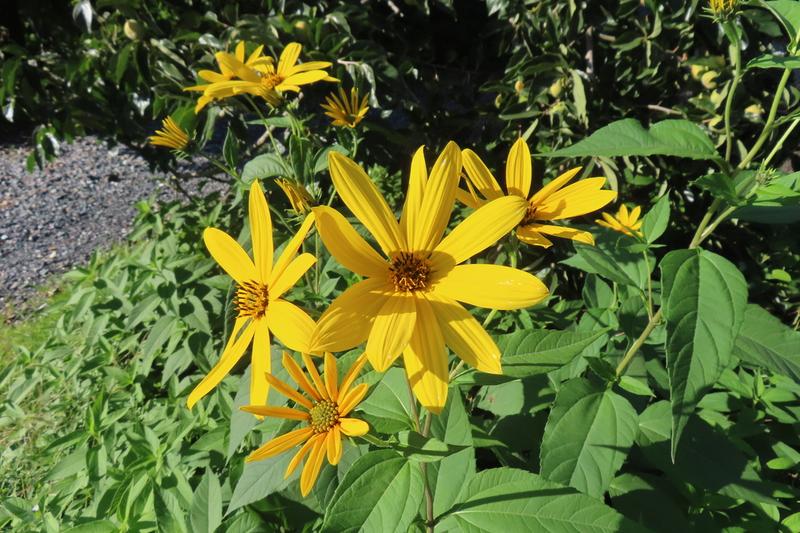
Quick facts
- Watering
- Weekly during establishment
- Sunlight
- Full sun to partial shade
- Soil
- Well-drained, moderately fertile
- Humans
- Safe
- Cats
- Safe
- Dogs
- Safe
- Height
- 180–300 cm
- Spread
- 60–90 cm
- Spacing
- 30–45 cm apart
About Jerusalem Artichoke
Jerusalem artichoke is a vigorous perennial sunflower grown for its knobbly, edible tubers that taste similar to globe artichokes with a nutty sweetness. Native to North America, this tall plant produces cheerful yellow flowers in late summer and can reach heights of 3 metres, making it useful as a windbreak or screen. British gardeners value it as a reliable, low-maintenance crop that thrives in our climate and stores well through winter. The tubers are rich in inulin rather than starch, making them a distinctive addition to the vegetable plot.
UK fact: Jerusalem artichokes became popular in Britain during World War II as a hardy, unrationed vegetable that could be grown easily in Victory Gardens, though their reputation suffered somewhat due to their digestive effects when eaten in quantity.
Watering Jerusalem Artichoke
Jerusalem artichokes are remarkably drought-tolerant once their roots are established, typically after 4-6 weeks. Water weekly during dry springs to help tubers develop, providing approximately 2.5 cm of water per week. During typical British summers, rainfall is usually sufficient, but in prolonged dry periods water deeply every 10-14 days. Avoid waterlogging, which can cause tubers to rot, particularly in heavy clay soils during wet autumns.
Sunlight requirements
Plant in a sunny position for maximum tuber production, ideally receiving at least six hours of direct sunlight daily. They will grow in partial shade and can be useful for filling awkward spots, but expect smaller harvests. In the UK, avoid planting in deep shade on north-facing sites where growth will be weak and floppy.
Soil and feeding
Jerusalem artichokes are unfussy and will grow in most soil types, from light sandy soils to heavier clay, provided drainage is adequate. They prefer a pH between 5.5 and 7.5, tolerating slightly acidic to neutral conditions typical of British gardens. Avoid very heavy, waterlogged clay where tubers may rot, and extremely poor, stony ground where tubers will be small and difficult to harvest. Dig in garden compost or well-rotted manure before planting to improve soil structure, but avoid over-enriching as this promotes excessive leafy growth at the expense of tubers.
Jerusalem artichokes are light feeders and rarely need supplementary feeding in reasonably fertile soil. Apply a balanced general fertiliser such as Growmore at 70g per square metre when planting, or fork in garden compost. Avoid high-nitrogen feeds which encourage tall, leafy growth that may require staking and reduce tuber development.
Pruning Jerusalem Artichoke
Jerusalem artichokes need little pruning during the growing season, though very tall plants may benefit from cutting back by one-third in June to reduce height and prevent wind damage. After the first hard frosts blacken the foliage in October or November, cut stems down to 10-15 cm above soil level. Leave this short stub as a marker for where tubers are located during winter harvesting. Remove all cut material to the compost heap, as the stems can harbour pests and diseases if left lying around.
Propagating Jerusalem Artichoke
Jerusalem artichokes are propagated exclusively from tubers, planted 10-15 cm deep in February to April once soil is workable. Use whole small tubers about the size of a hen's egg, or cut larger tubers into pieces ensuring each has at least two or three buds. Allow cut surfaces to dry for 24 hours before planting to reduce the risk of rotting. Save your own tubers from the previous year's crop, selecting healthy, firm specimens, or purchase certified tubers from garden centres.
Common problems
Jerusalem artichokes are remarkably trouble-free, with few serious pests or diseases affecting them in the UK. Slugs may damage emerging shoots in spring, so use organic slug pellets or barriers if necessary. The main issue is their vigorous, invasive nature—any tubers left in the ground will regrow the following year, making them difficult to eradicate once established. Sclerotinia (white mould) can occasionally affect stems in very wet seasons, causing wilting and white fungal growth, though this is rare. Aphids may colonise the stems in summer but rarely cause significant damage.
Spot a problem with your plant? Photograph the affected area using the Loam app and it will suggest the most likely cause and treatment.
Safety
- Humans
- Safe
- Cats
- Safe
- Dogs
- Safe
Toxicity information is for general guidance only.
Seasonal care calendar
Monthly care guide for Jerusalem Artichoke in the UK, based on average conditions.
| Month | Care tasks |
|---|---|
| January | Harvest tubers as needed from established plants. Prepare new planting areas by digging in organic matter. |
| February | Begin planting tubers from mid-month onwards in milder regions once soil is workable. Continue harvesting from existing plants. |
| March | Main planting month—plant tubers 10-15 cm deep and 30-45 cm apart. Finish harvesting last year's crop before new growth begins. |
| April | Complete planting by mid-month. Watch for emerging shoots and protect from slugs. Water during dry spells. |
| May | Hoe between rows to control weeds whilst plants are still small. Water weekly if weather is dry. Earth up stems slightly if desired. |
| June | Plants grow rapidly now. Consider cutting back by one-third if stems exceed 2 metres to prevent wind damage. Continue weeding. |
| July | Water during prolonged dry spells. Stake very tall plants if necessary. Remove any weak or damaged stems. |
| August | Plants flower with bright yellow blooms. Little maintenance needed. Water only in severe drought. |
| September | Flowers fade and plants begin to die back naturally. Reduce watering. Begin harvesting from late month if desired. |
| October | After first frosts blacken foliage, cut stems down to 10-15 cm. Begin main harvest, lifting tubers as needed. |
| November | Continue harvesting tubers throughout the month. They store best in the ground, so lift only what you need. |
| December | Harvest tubers as required for the kitchen. In very cold areas, mulch remaining plants with straw to ease winter digging. |
Frequently asked questions
- When should I plant Jerusalem artichoke tubers in the UK?
- Plant Jerusalem artichoke tubers from late February to April when soil temperatures reach at least 7°C. Choose a sunny spot with well-drained soil and plant tubers 10-15 cm deep, spacing them 30-45 cm apart. In colder regions, wait until March to avoid tubers rotting in cold, wet soil. The Loam app can send you timely planting reminders based on your local conditions and track your planting dates for future reference.
- Why are my Jerusalem artichoke leaves turning yellow?
- Yellowing leaves are usually caused by waterlogged soil, nutrient deficiency, or natural die-back in autumn. Check drainage and avoid overwatering, as Jerusalem artichokes prefer well-drained conditions. If yellowing occurs in summer, the soil may lack nitrogen. Use the Loam app to photograph affected leaves for accurate diagnosis and receive personalised care advice to address the specific issue affecting your plants.
- Do Jerusalem artichokes need feeding during the growing season?
- Jerusalem artichokes are vigorous growers that rarely need feeding in reasonably fertile soil. However, a light application of general-purpose fertiliser or well-rotted compost in spring can boost growth. Avoid high-nitrogen feeds which promote excessive foliage at the expense of tuber development. On poor soils, mulch with compost in May to retain moisture and provide steady nutrients throughout the season.
Got a question about growing Jerusalem Artichoke that isn't covered here? Ask the Garden Advisor in the Loam app. It knows your saved plants and local conditions.
Related plants
This page was compiled with AI assistance and reviewed by our team. .