Dandelion
Taraxacum officinale
Weeds and Invasives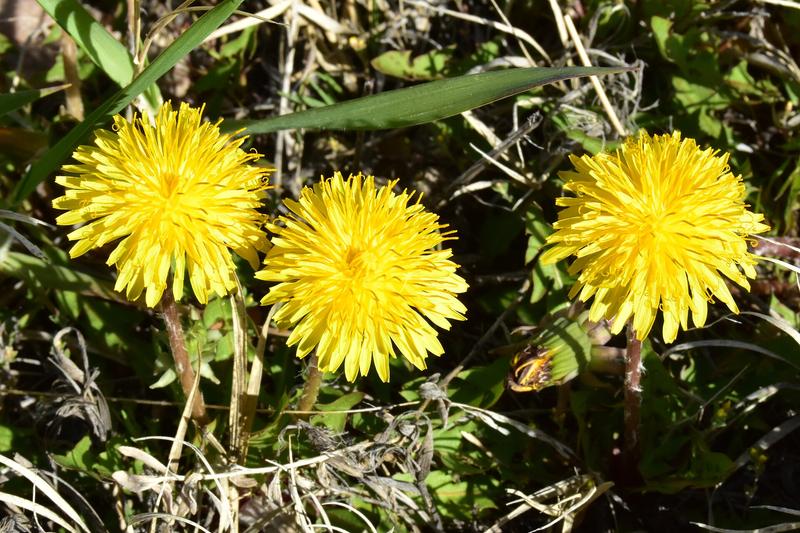
Quick facts
- Watering
- Rarely needed once established
- Sunlight
- Full sun to partial shade
- Soil
- Any soil, prefers well-drained
- Humans
- Safe
- Cats
- Safe
- Dogs
- Safe
- Height
- 5–40 cm
- Spread
- 10–30 cm
- Spacing
- 20–30 cm apart
About Dandelion
Dandelion is a perennial herbaceous plant with deeply toothed leaves forming a basal rosette and bright yellow flowers that develop into distinctive fluffy seed heads. Native to Europe and widespread throughout the UK, it thrives in lawns, borders, and waste ground. While often considered a troublesome weed by gardeners, dandelions are increasingly valued for their edible leaves and flowers, wildlife benefits, and traditional medicinal uses. The entire plant is edible and has been used in British folk medicine and cuisine for centuries.
UK fact: Dandelions have been used in British traditional medicine since medieval times, with the common name derived from the French 'dent-de-lion' (lion's tooth), referring to the jagged leaf edges, and they remain one of the most important early-season nectar sources for British bees and pollinators.
Watering Dandelion
Dandelions are exceptionally drought-tolerant once established, with deep taproots that access moisture well below the surface. In typical UK conditions, rainfall provides sufficient water and supplementary watering is unnecessary. Young plants establishing in very dry spring weather may benefit from occasional watering, but mature dandelions survive extended dry periods without intervention. Overwatering is more likely to cause problems than drought.
Sunlight requirements
Dandelions are remarkably adaptable and will grow in almost any light conditions, though they produce the most flowers in full sun. In UK gardens, they thrive equally well in open lawns and partially shaded areas under trees. South-facing positions encourage earlier flowering and more prolific seed production.
Soil and feeding
Dandelions are famously unfussy and will grow in virtually any soil type, from heavy clay to sandy loam, though they perform best in fertile, well-drained conditions. They tolerate a wide pH range from acidic to alkaline (pH 4.5-8.5) and thrive in the neutral to slightly alkaline soils common across much of the UK. The deep taproot allows them to extract nutrients from poor soils where other plants struggle. For cultivated dandelions grown for leaves, richer soil produces more tender, less bitter foliage.
Dandelions require no feeding and actively thrive in poor soils where they face less competition from other plants. If growing dandelions intentionally for edible greens, a light application of nitrogen-rich fertiliser in early spring will encourage lush leaf growth and reduce bitterness. Avoid feeding dandelions you wish to control, as this only strengthens them.
Pruning Dandelion
For dandelions grown intentionally, remove flower heads before they set seed to prevent unwanted spread and encourage continued leaf production. Regular harvesting of outer leaves promotes fresh growth from the crown. If controlling dandelions as weeds, remove the entire plant including the taproot, as any root fragments left in the soil will regenerate. Mowing lawns regularly weakens dandelions over time but rarely eliminates them completely.
Propagating Dandelion
Dandelions propagate readily from seed, with each flower head producing up to 200 seeds that disperse on the wind and remain viable in soil for years. Seeds germinate easily when sown on the surface of moist soil in spring or autumn, requiring light for germination. Root cuttings also propagate successfully – any section of taproot left in the soil will regenerate a new plant. For intentional cultivation, sow seeds thinly in drills 30cm apart in spring, thinning seedlings to 20cm spacing.
Common problems
Dandelions are remarkably problem-free and suffer from few pests or diseases in UK gardens. Aphids occasionally colonise young leaves and flower stems but rarely cause significant damage. Powdery mildew may appear on foliage in dry conditions but does not seriously affect plant health. The main 'problem' for most UK gardeners is controlling their vigorous spread, as dandelions seed prolifically and the deep taproot makes complete removal difficult. Fragments of root left after digging regenerate quickly, and seeds remain viable in the soil seed bank for many years.
Spot a problem with your plant? Photograph the affected area using the Loam app and it will suggest the most likely cause and treatment.
Safety
- Humans
- Safe
- Cats
- Safe
- Dogs
- Safe
Toxicity information is for general guidance only.
Seasonal care calendar
Monthly care guide for Dandelion in the UK, based on average conditions.
| Month | Care tasks |
|---|---|
| January | Plants dormant; dig out unwanted plants when soil is workable, ensuring complete taproot removal. |
| February | First leaves begin emerging; continue removing unwanted plants before active growth begins. |
| March | Sow seeds for edible crops; rosettes expand rapidly; begin harvesting young leaves for salads. |
| April | First flowers appear; deadhead to prevent seeding or allow to flower for pollinators; harvest leaves and flower buds. |
| May | Peak flowering period; remove seed heads before they mature to prevent spread; harvest flowers for wine. |
| June | Continued flowering and seed production; vigilant deadheading essential to control spread; harvest young leaves. |
| July | Flowering continues in mown areas; remove seed heads promptly; leaves become more bitter in heat. |
| August | Second flush of flowers common; continue deadheading; dig out unwanted plants in dry soil. |
| September | Autumn flowering begins; sow seeds for spring crops; harvest roots for medicinal use. |
| October | Late flowers may appear; dig out unwanted plants; leaves sweeten as temperatures cool. |
| November | Plants begin dormancy; final opportunity to remove unwanted plants before winter. |
| December | Plants dormant; plan control strategies for spring; harvest roots if ground not frozen. |
Frequently asked questions
- How do I get rid of dandelions in my lawn permanently?
- Complete removal requires extracting the entire taproot, which can extend 30cm deep. Use a dandelion weeder or narrow trowel to lever out the whole root, ensuring no fragments remain as these will regenerate. Regular mowing weakens plants over time, and improving lawn health through feeding and aeration helps grass outcompete dandelions. For persistent infestations, spot-treat with selective lawn weedkiller in autumn when dandelions are actively growing.
- Why do my dandelions keep coming back after I've dug them up?
- Dandelions regenerate from any root fragment left in the soil, and their seeds remain viable for years in the soil seed bank. The Loam app can help you track removal efforts, set reminders for follow-up weeding, and identify whether new plants are regrowth or fresh seedlings, helping you develop an effective long-term control strategy tailored to your garden.
- Are dandelion leaves safe to eat and when should I harvest them?
- All parts of dandelion are edible and nutritious. Harvest young leaves in early spring before flowering for the mildest, least bitter flavour – leaves become increasingly bitter as plants mature and temperatures rise. Pick from areas not treated with chemicals, wash thoroughly, and use fresh in salads or cook like spinach. Flower buds, flowers, and roots are also edible and have various culinary uses.
Got a question about growing Dandelion that isn't covered here? Ask the Garden Advisor in the Loam app. It knows your saved plants and local conditions.
Related plants
This page was compiled with AI assistance and reviewed by our team. .