Rocket
Eruca vesicaria subsp. sativa
Vegetables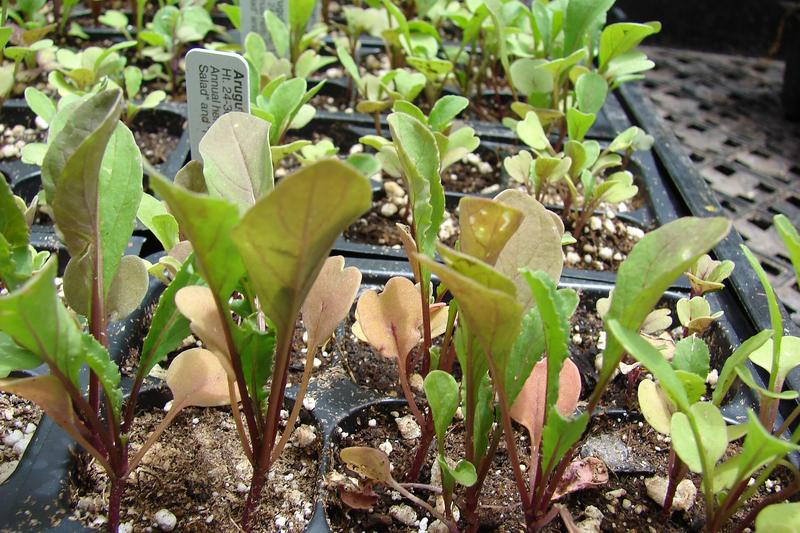
Quick facts
- Watering
- Every 2-3 days in dry weather
- Sunlight
- Full sun to partial shade
- Soil
- Moist, fertile, well-drained soil
- Humans
- Safe
- Cats
- Safe
- Dogs
- Safe
- Height
- 15–60 cm
- Spread
- 15–30 cm
- Spacing
- 10–15 cm apart
About Rocket
Rocket is a fast-growing, peppery salad leaf that has become a staple in British kitchens and allotments. This Mediterranean native produces distinctive lobed leaves with a nutty, spicy flavour that intensifies as the plant matures. UK gardeners prize rocket for its quick cropping time—often ready to harvest within 3–4 weeks—and its ability to thrive in cooler conditions. The plant produces small, creamy-white flowers with dark veins if left to bolt, which are also edible and attract beneficial insects.
UK fact: Rocket has been grown in Britain since Roman times, but it fell out of favour for centuries before experiencing a dramatic revival in the 1990s, when it became a fashionable ingredient in British restaurants and subsequently one of the most popular salad crops on allotments nationwide.
Watering Rocket
Rocket requires regular watering to maintain leaf quality, particularly during dry spells which are common in southern and eastern England. Water at the base of plants in the morning to reduce slug activity and fungal issues. During hot weather, daily watering may be necessary as drought stress causes leaves to become excessively peppery and triggers early flowering. Mulching around plants helps retain moisture and keeps roots cool.
Sunlight requirements
In the UK climate, rocket performs excellently in full sun from March to May and September to October. During the warmer months of June to August, position plants where they receive afternoon shade or dappled light to keep leaves tender and delay flowering. North-facing beds or the shade of taller crops like beans work well for summer sowings.
Soil and feeding
Prepare beds with well-rotted compost or manure before sowing, aiming for soil that holds moisture without becoming waterlogged. Rocket tolerates a wide pH range but performs best between 6.0 and 7.0—typical of most UK garden soils. Heavy clay soils benefit from added grit and organic matter to improve drainage, whilst sandy soils need generous compost incorporation to retain moisture. Avoid freshly manured ground as this can scorch young seedlings.
If growing in containers or poor soil, apply a balanced liquid fertiliser diluted to half strength every two weeks once plants have developed true leaves. Excessive nitrogen can lead to lush growth that attracts aphids, so feed sparingly—rocket's rapid growth cycle means it draws primarily on soil nutrients.
Pruning Rocket
Begin harvesting when leaves reach 5–8 cm long, picking the outer leaves first and leaving the central growing point intact for continued cropping. Remove any flower buds as soon as they appear to prolong leaf production, though once flowering begins in earnest, it's best to pull up the plant and sow fresh seed. Cut-and-come-again harvesting—shearing plants 2–3 cm above soil level—works well for baby leaves and can yield 2–3 cuts before plants need replacing.
Propagating Rocket
Sow rocket seeds thinly in shallow drills 1 cm deep, either in rows 15 cm apart or broadcast over a bed for cut-and-come-again cropping. Seeds germinate readily in soil temperatures above 7°C, typically within 5–7 days in spring and autumn. For a constant supply, make small sowings every 2–3 weeks from March through to September, avoiding the hottest weeks of July and August when bolting is inevitable. Rocket also grows well in containers and can be sown under cover from February or in cold frames through winter for early crops.
Common problems
Flea beetles are the primary pest of rocket in the UK, creating characteristic small holes in leaves, particularly on young plants during warm, dry weather—covering crops with fine mesh prevents damage. Slugs and snails can devastate seedlings, especially in damp conditions common in western Britain, so use organic pellets, beer traps, or evening patrols. Aphids occasionally colonise plants, particularly those stressed by heat or drought, and can be controlled with insecticidal soap or by encouraging natural predators. Bolting is the main cultural problem, triggered by long days, heat, and water stress, so choose bolt-resistant varieties for summer sowings and maintain consistent moisture.
Spot a problem with your plant? Photograph the affected area using the Loam app and it will suggest the most likely cause and treatment.
Safety
- Humans
- Safe
- Cats
- Safe
- Dogs
- Safe
Toxicity information is for general guidance only.
Seasonal care calendar
Monthly care guide for Rocket in the UK, based on average conditions.
| Month | Care tasks |
|---|---|
| January | Sow under cloches or in cold frames in milder regions for early spring crops. No outdoor sowing in most areas. |
| February | Sow in unheated greenhouses or polytunnels for early harvests. Prepare outdoor beds ready for March sowings. |
| March | Begin outdoor sowings from mid-month in southern regions, under fleece if cold. Make first of fortnightly successive sowings. |
| April | Continue successive sowings every 2–3 weeks. Harvest early sowings. Protect from flea beetles with mesh covers. |
| May | Maintain regular sowings and harvesting. Water frequently as temperatures rise. Remove any bolting plants promptly. |
| June | Sow in partial shade to reduce bolting risk. Harvest regularly and water daily in dry weather. Choose bolt-resistant varieties. |
| July | Avoid sowing during the hottest weeks as bolting is inevitable. Focus on watering and harvesting existing crops. |
| August | Resume sowings from mid-month for autumn crops. Plants grow more reliably as temperatures moderate and days shorten. |
| September | Continue sowings for autumn and early winter harvests. Growth slows but quality improves in cooler conditions. |
| October | Make final outdoor sowings in mild areas. Protect late sowings with cloches for extended harvests into winter. |
| November | Harvest remaining outdoor crops. Sow in cold frames or unheated greenhouses for winter leaves in milder regions. |
| December | Harvest protected crops sparingly. Plan next year's sowing schedule and order seeds from catalogues. |
Frequently asked questions
- How do I stop flea beetles eating my rocket leaves?
- Cover crops with horticultural fleece or fine insect mesh immediately after sowing, ensuring edges are well secured. Keep soil moist as flea beetles are worse in dry conditions, and water plants in the evening to make leaves less attractive. Growing rocket in partial shade also reduces flea beetle damage.
- Why are my rocket leaves turning yellow?
- Yellowing rocket leaves usually indicate nutrient deficiency, overwatering, or root problems. Check soil moisture levels aren't excessive, ensure good drainage, and feed with a balanced liquid fertiliser if plants are in containers. The Loam app can help diagnose the specific cause by analysing photos of your plant and tracking your watering schedule to identify patterns.
- Can I save rocket seeds from my own plants?
- Yes, rocket produces seed pods readily after flowering. Allow some plants to bolt and flower, then let seed pods dry on the plant until they turn brown and papery. Collect pods before they split, dry them further indoors, then thresh to release seeds. Store in a cool, dry place and use within 3 years for best germination.
Got a question about growing Rocket that isn't covered here? Ask the Garden Advisor in the Loam app. It knows your saved plants and local conditions.
Related plants
This page was compiled with AI assistance and reviewed by our team. .