Land Cress
Barbarea verna
Vegetables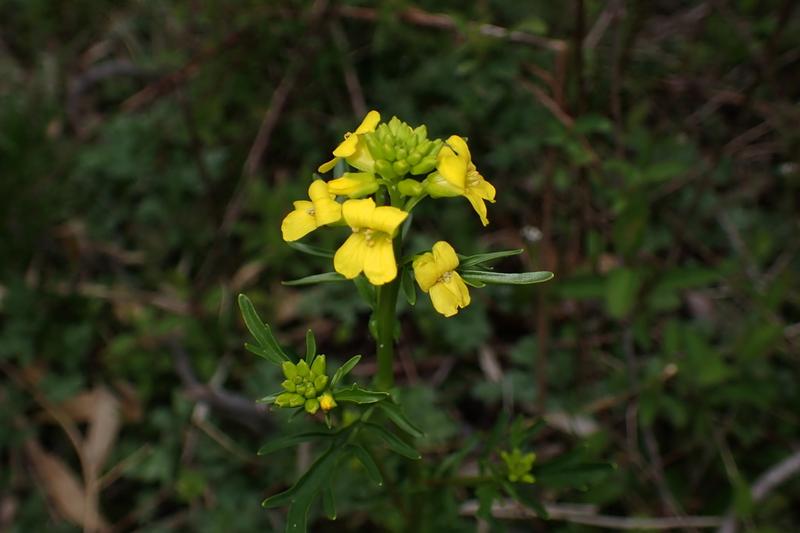
Quick facts
- Watering
- Twice weekly during dry spells
- Sunlight
- Partial shade to full sun
- Soil
- Moisture-retentive, fertile soil
- Humans
- Safe
- Cats
- Safe
- Dogs
- Safe
- Height
- 15–30 cm
- Spread
- 20–30 cm
- Spacing
- 15–20 cm apart
About Land Cress
Land cress is a hardy, fast-growing leafy vegetable with dark green, glossy leaves that resemble watercress in both appearance and peppery flavour. Native to southern Europe and western Asia, this biennial plant has been cultivated in British kitchen gardens for centuries as a reliable winter salad crop. UK gardeners value it for its ability to thrive in cool conditions when other salad leaves struggle, providing fresh greens from autumn through to spring. Its compact rosettes of divided leaves make it ideal for small gardens, containers, and shaded corners where little else will grow productively.
UK fact: Land cress was a staple in Victorian kitchen gardens across Britain, prized as a 'poor man's watercress' because it could be grown in ordinary soil without the need for running water, making fresh peppery salad leaves accessible to gardeners of all classes throughout the winter months.
Watering Land Cress
Keep the soil consistently moist but not waterlogged, as land cress develops the best flavour and tender leaves when grown quickly with adequate moisture. During the British summer, water twice weekly or more frequently in containers, ensuring the soil never dries out completely. In autumn and winter, natural rainfall usually provides sufficient moisture, though plants under cover or in dry spots may need occasional watering. Mulching around plants helps retain soil moisture and keeps the roots cool.
Sunlight requirements
Land cress performs best in partial shade, particularly during summer when it can bolt in full sun. In the UK, a north-facing border or dappled shade beneath fruit trees provides ideal conditions, preventing the leaves from becoming too bitter. During autumn and winter months, it tolerates full sun well and benefits from maximum light to maintain vigorous growth.
Soil and feeding
Land cress thrives in rich, moisture-retentive soil with plenty of organic matter worked in before planting. It tolerates a wide range of soil types but performs best in slightly acidic to neutral conditions with a pH of 6.0-7.0. Heavy clay soils suit it well provided they don't become waterlogged, whilst sandy soils benefit from generous additions of compost or well-rotted manure to improve water retention. Good soil preparation ensures rapid, lush growth and the tenderest, most flavourful leaves.
Land cress requires minimal feeding if grown in fertile soil enriched with compost. A light application of nitrogen-rich liquid feed every 3-4 weeks during active growth encourages lush foliage, though avoid over-feeding which can reduce the characteristic peppery flavour. Plants grown in containers benefit from fortnightly feeding with a balanced liquid fertiliser.
Pruning Land Cress
Regular harvesting serves as pruning for land cress, encouraging fresh growth and preventing the plant from bolting prematurely. Pick individual outer leaves as needed, or cut the entire rosette 2-3 cm above soil level for a cut-and-come-again harvest that will regrow within weeks. Remove any flowering stems promptly during the growing season to prolong leaf production, though you may wish to allow some plants to flower in spring to attract beneficial insects. Once plants bolt and flower extensively, they become too bitter for salad use and should be composted.
Propagating Land Cress
Land cress is easily grown from seed sown directly outdoors from March to September, with the best crops resulting from sowings made in late summer for autumn and winter harvesting. Sow seeds thinly in drills 1 cm deep and 15-20 cm apart, then thin seedlings to final spacing once large enough to handle. Seeds germinate readily in 7-14 days in cool conditions, though summer sowings may be slower and benefit from shade and regular watering. Land cress self-seeds freely if allowed to flower, often providing volunteer seedlings for future crops.
Common problems
Land cress is relatively trouble-free but can be affected by flea beetles, which create small holes in the leaves, particularly during hot, dry weather in late spring and summer. Keeping plants well-watered and growing them under fleece or fine mesh helps deter these pests. Slugs and snails may damage young seedlings, especially in damp conditions, so use organic controls or barriers as needed. Plants may bolt prematurely if stressed by drought or excessive heat, so maintain consistent moisture and provide shade during the warmest months to extend the harvest period.
Spot a problem with your plant? Photograph the affected area using the Loam app and it will suggest the most likely cause and treatment.
Safety
- Humans
- Safe
- Cats
- Safe
- Dogs
- Safe
Toxicity information is for general guidance only.
Seasonal care calendar
Monthly care guide for Land Cress in the UK, based on average conditions.
| Month | Care tasks |
|---|---|
| January | Harvest leaves from autumn-sown plants. Protect with cloches in severe weather for continued picking. |
| February | Continue harvesting overwintered plants. Prepare beds with compost for spring sowings. |
| March | Sow seeds outdoors in prepared beds. Harvest remaining winter leaves before plants begin to bolt. |
| April | Thin March sowings to final spacing. Remove any flowering stems to prolong leaf production. |
| May | Harvest spring-sown plants. Keep well-watered as temperatures rise to prevent bolting. |
| June | Provide shade during hot spells. Water regularly and harvest frequently to encourage fresh growth. |
| July | Sow seeds for autumn and winter crops in a shaded, moist spot. Maintain watering of existing plants. |
| August | Continue sowing for winter harvests. Thin seedlings and keep well-watered during dry weather. |
| September | Final sowings for winter crops. Begin harvesting summer-sown plants as they mature. |
| October | Harvest regularly from established plants. Thin late sowings to final spacing for winter growth. |
| November | Continue harvesting. Consider cloches or fleece to protect plants and extend the season. |
| December | Harvest leaves as needed. Plants remain productive throughout winter in most UK regions. |
Frequently asked questions
- When is the best time to sow land cress in the UK?
- The best time to sow land cress is from late July to early September for autumn and winter harvests, when it thrives in cool conditions. Spring sowings from March to May are also successful but plants may bolt quickly in summer heat, so late summer sowings provide the most reliable, long-lasting crops for UK gardeners.
- Why are my land cress leaves turning yellow and bitter?
- Yellowing, bitter leaves usually indicate drought stress or bolting due to heat and insufficient watering. The Loam app can send you personalised watering reminders based on your local weather and help diagnose whether your plant needs more shade, moisture, or if it's simply reaching the end of its productive season.
- Can I grow land cress in containers?
- Yes, land cress grows excellently in containers at least 15 cm deep with good drainage. Use a moisture-retentive compost, position in partial shade, and water regularly to keep the soil consistently moist. Container-grown plants are ideal for patios and balconies, providing fresh peppery leaves throughout autumn and winter with minimal space required.
Got a question about growing Land Cress that isn't covered here? Ask the Garden Advisor in the Loam app. It knows your saved plants and local conditions.
Related plants
This page was compiled with AI assistance and reviewed by our team. .