Mizuna
Brassica rapa var. japonica
Vegetables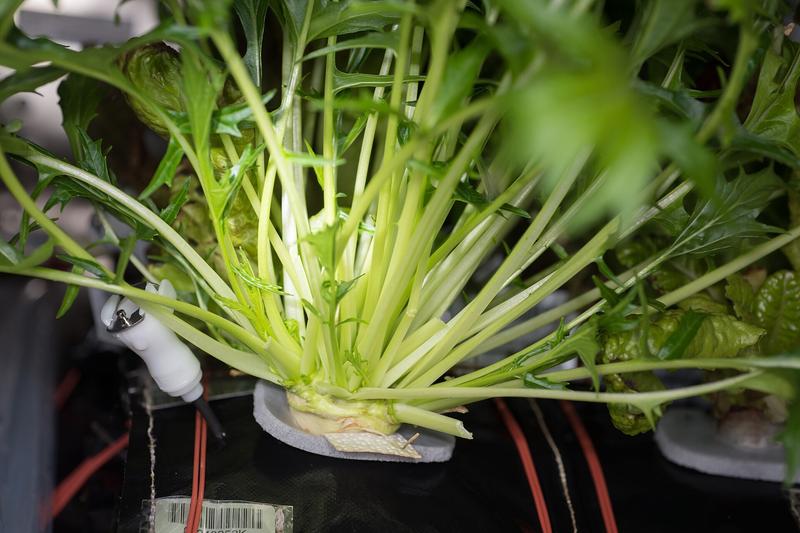
Quick facts
- Watering
- Twice weekly during dry spells
- Sunlight
- Full sun to partial shade
- Soil
- Moisture-retentive, fertile, well-drained
- Humans
- Safe
- Cats
- Safe
- Dogs
- Safe
- Height
- 20–40 cm
- Spread
- 20–30 cm
- Spacing
- 15–20 cm apart
About Mizuna
Mizuna is a fast-growing Japanese salad leaf with distinctive feathery, serrated leaves and a mild, peppery flavour. This hardy brassica has become increasingly popular in UK kitchen gardens for its versatility, cold tolerance, and ability to provide fresh greens almost year-round. British gardeners value mizuna for its quick maturity (ready in as little as 3-4 weeks as baby leaves), attractive appearance in ornamental potagers, and reliable performance in cooler conditions where many salad crops struggle.
UK fact: Mizuna thrives particularly well in Scotland and northern England, where its exceptional cold tolerance allows harvests well into winter, and it has become a staple crop in many Scottish market gardens and community allotments.
Watering Mizuna
Keep soil consistently moist but not waterlogged, as mizuna develops the best flavour and tender leaves with regular watering. During dry spells, water twice weekly, increasing to every other day in hot weather to prevent stress and bolting. In typical UK conditions, natural rainfall often suffices from autumn through spring, but summer crops require attentive watering. Mulching around plants helps retain moisture and keeps roots cool.
Sunlight requirements
Mizuna performs best in full sun during spring and autumn, but benefits from partial shade during hot summer months to prevent premature bolting. In the UK, a position receiving morning sun and afternoon shade is ideal for summer sowings, whilst autumn and winter crops thrive in full sun or south-facing positions. North-facing beds can still produce good crops during the cooler months.
Soil and feeding
Mizuna thrives in fertile, moisture-retentive soil rich in organic matter with a pH between 6.0 and 7.5. Prepare beds by incorporating well-rotted compost or manure several weeks before sowing to improve both drainage and water retention. The soil should be free-draining enough to prevent waterlogging in wet British winters, yet moisture-retentive enough to support rapid leaf growth. Heavy clay soils benefit from added grit and organic matter, whilst sandy soils need generous compost to retain moisture.
Mizuna is a light feeder that rarely requires additional fertiliser if grown in well-prepared soil. For prolonged harvests or cut-and-come-again crops, apply a balanced liquid feed every 3-4 weeks or side-dress with compost. Avoid high-nitrogen feeds which can encourage excessive leaf growth at the expense of flavour.
Pruning Mizuna
No formal pruning is required, but regular harvesting encourages continued production. For cut-and-come-again crops, harvest outer leaves when 5-10cm long, cutting 2-3cm above soil level to allow regrowth from the base. Alternatively, harvest whole plants by cutting at ground level when leaves reach desired size. Remove any yellowing or damaged leaves promptly to maintain plant health and prevent disease.
Propagating Mizuna
Mizuna is grown exclusively from seed, sown directly outdoors or in modules for transplanting. For direct sowing, scatter seeds thinly in drills 1cm deep and 20cm apart from March through September, thinning seedlings to 15-20cm spacing. Module sowing (2-3 seeds per cell) allows earlier starts under cover and easier transplanting, particularly useful for spring and autumn crops. Germination occurs within 5-10 days at temperatures above 7°C, making mizuna one of the most reliable and quick-maturing salad crops for UK conditions.
Common problems
Flea beetles are the primary pest, creating characteristic small holes in leaves, particularly problematic on young plants in dry spring weather; cover crops with horticultural fleece or fine mesh immediately after sowing. Slugs and snails can devastate seedlings, especially in damp conditions, so use organic controls or barriers from emergence. Pigeons and other birds may strip leaves in winter when other food is scarce, making netting essential for autumn and winter crops. Mizuna is generally disease-resistant but can suffer from clubroot in infected soils, so practice crop rotation and avoid growing in the same bed as other brassicas for at least three years.
Spot a problem with your plant? Photograph the affected area using the Loam app and it will suggest the most likely cause and treatment.
Safety
- Humans
- Safe
- Cats
- Safe
- Dogs
- Safe
Toxicity information is for general guidance only.
Seasonal care calendar
Monthly care guide for Mizuna in the UK, based on average conditions.
| Month | Care tasks |
|---|---|
| January | Harvest winter crops grown under cloches or in polytunnels. Check fleece protection on outdoor plants. |
| February | Sow seeds in modules under cover for early spring transplants. Continue harvesting protected crops. |
| March | Begin outdoor sowings under cloches or fleece. Transplant module-raised seedlings. Start succession sowing every 2-3 weeks. |
| April | Continue succession sowing outdoors. Protect young plants from flea beetles with fine mesh. Thin direct-sown seedlings. |
| May | Maintain regular watering as weather warms. Continue succession sowing. Begin harvesting spring-sown crops. |
| June | Water frequently during dry spells. Provide shade for summer sowings to prevent bolting. Harvest regularly. |
| July | Continue watering and harvesting. Sow in partial shade for autumn crops. Monitor for flea beetle damage. |
| August | Sow main autumn and winter crops. Water established plants during dry weather. Harvest summer crops regularly. |
| September | Final sowings for winter harvest under cover. Protect autumn crops from slugs and pigeons with netting. |
| October | Harvest autumn crops. Cover late sowings with cloches or fleece for winter protection. Reduce watering as weather cools. |
| November | Harvest protected crops. Ensure fleece and cloches are secure against winter weather. Check for slug damage. |
| December | Continue harvesting winter crops under protection. Plan crop rotation for next season's sowings. |
Frequently asked questions
- When should I sow mizuna in the UK?
- Sow mizuna from March through September for year-round harvests. Spring sowings (March-May) provide quick summer crops, whilst August-September sowings give hardy autumn and winter leaves. For continuous supply, sow small batches every 2-3 weeks, avoiding midsummer sowings which bolt quickly in heat.
- Why are my mizuna leaves full of small holes?
- Small holes indicate flea beetle damage, most common in dry spring weather on young plants. Cover crops with fine mesh immediately after sowing and keep soil moist to reduce attacks. The Loam app can help you identify pest damage patterns and set reminders for preventative measures at vulnerable growth stages.
- Can I grow mizuna in winter in the UK?
- Yes, mizuna is exceptionally cold-hardy and provides fresh leaves throughout winter with minimal protection. Sow in August-September and cover with cloches, fleece, or grow in an unheated polytunnel. Winter crops grow slowly but provide valuable fresh greens when little else is available, tolerating temperatures down to -15°C.
Got a question about growing Mizuna that isn't covered here? Ask the Garden Advisor in the Loam app. It knows your saved plants and local conditions.
Related plants
This page was compiled with AI assistance and reviewed by our team. .