Pak Choi
Brassica rapa subsp. chinensis
Vegetables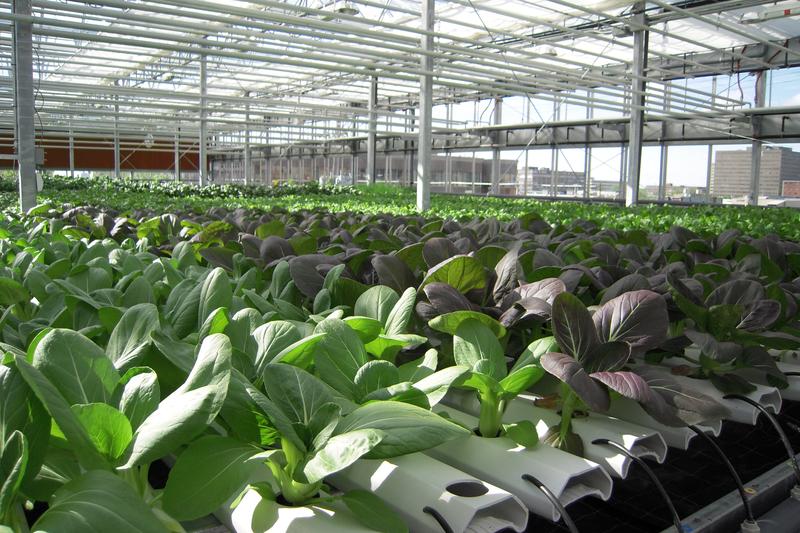
Quick facts
- Watering
- Every 2-3 days in dry weather
- Sunlight
- Full sun to partial shade
- Soil
- Rich, moisture-retentive, well-drained
- Humans
- Safe
- Cats
- Safe
- Dogs
- Safe
- Height
- 20–45 cm
- Spread
- 15–30 cm
- Spacing
- 15–25 cm apart
About Pak Choi
Pak choi is a fast-growing Chinese cabbage with crisp white stems and dark green leaves, prized for its mild, slightly peppery flavour. Originating from China, this cool-season brassica has become increasingly popular in UK kitchen gardens thanks to its quick maturity and versatility in stir-fries and salads. British gardeners value pak choi for its ability to produce harvests in as little as 30 days and its tolerance of cooler temperatures. The plant forms attractive rosettes that can be harvested whole or picked as baby leaves, making it ideal for both allotments and container growing.
UK fact: Pak choi thrives particularly well in Scotland and northern England where cooler summers prevent premature bolting, often producing sweeter, more tender leaves than in warmer southern regions.
Watering Pak Choi
Water pak choi regularly to maintain consistently moist soil, as uneven watering can cause plants to bolt or develop bitter-tasting leaves. During dry spells, water every 2-3 days, applying approximately 11 litres per square metre to ensure moisture reaches the roots. In typical British summers with regular rainfall, weekly watering may suffice, but check soil moisture frequently as pak choi has shallow roots that dry out quickly. Mulch around plants with compost to retain moisture and reduce watering frequency, particularly important during the warmer months of June through August.
Sunlight requirements
In the UK, position pak choi in a sunny spot that receives at least 4-6 hours of direct sunlight daily for optimal growth. South-facing beds are ideal for spring and autumn sowings, whilst east or west-facing positions work well for summer crops. In warmer southern counties, provide light afternoon shade during June through August to keep plants cool and reduce the risk of premature flowering.
Soil and feeding
Prepare beds with plenty of well-rotted compost or manure several weeks before sowing, as pak choi is a hungry crop requiring nutrient-rich soil for rapid growth. The ideal soil is moisture-retentive yet free-draining, with a pH between 6.5 and 7.5 – slightly alkaline conditions help prevent clubroot disease common in brassicas. Heavy clay soils benefit from added grit and organic matter to improve drainage, whilst sandy soils need generous compost incorporation to retain moisture. Avoid freshly manured ground which can cause excessive leaf growth at the expense of stem development.
Pak choi benefits from fortnightly applications of a balanced liquid fertiliser such as seaweed feed or diluted comfrey tea once plants have developed their first true leaves. Alternatively, side-dress with pelleted chicken manure or blood, fish and bone when plants are 10cm tall to provide a steady nitrogen supply for leafy growth. Avoid over-feeding with high-nitrogen fertilisers late in the season as this can reduce flavour and make plants more susceptible to aphid infestations.
Pruning Pak Choi
Pak choi requires minimal pruning, but regular removal of damaged or yellowing outer leaves helps maintain plant health and air circulation. If flower stalks (bolting) begin to form prematurely, pinch them out immediately at the base to encourage continued leaf production, though heavily bolted plants are best removed and composted. For cut-and-come-again harvesting, trim outer leaves 2-3cm above the base, leaving the growing point intact to produce further flushes. Thin overcrowded seedlings to the recommended spacing of 15-25cm to prevent competition and reduce the risk of fungal diseases in damp British conditions.
Propagating Pak Choi
Sow pak choi seeds thinly, 1cm deep in drills or modules filled with seed compost from early March under cloches, or from April onwards outdoors once soil temperatures reach 10°C. For the most reliable results in the UK climate, sow in modules indoors and transplant seedlings after 3-4 weeks to minimise root disturbance and slug damage. Make successive sowings every fortnight from March through early September to ensure a continuous supply, avoiding the hottest weeks of July when bolting risk is highest. Autumn sowings from late August to early September often produce the finest quality crops with minimal pest problems.
Common problems
Flea beetles are the most common pest, creating small holes in leaves of young plants – protect crops with fine mesh from sowing until plants are well established. Slugs and snails can devastate seedlings, particularly in damp conditions, so use organic pellets or beer traps and water in the morning rather than evening. Cabbage root fly larvae attack roots from May to September, causing plants to wilt and collapse; prevent by covering crops with insect-proof mesh or using brassica collars around stems. Pak choi is susceptible to clubroot in acidic soils, so lime beds to maintain pH above 6.5 and practise crop rotation, avoiding growing brassicas in the same spot for at least three years.
Spot a problem with your plant? Photograph the affected area using the Loam app and it will suggest the most likely cause and treatment.
Safety
- Humans
- Safe
- Cats
- Safe
- Dogs
- Safe
Toxicity information is for general guidance only.
Seasonal care calendar
Monthly care guide for Pak Choi in the UK, based on average conditions.
| Month | Care tasks |
|---|---|
| January | Plan crop rotation and order seeds. Prepare beds by adding lime if soil pH is below 6.5. |
| February | Sow seeds in modules indoors or in a heated greenhouse for early crops under cloches. |
| March | Continue indoor sowings and begin outdoor sowings under cloches or fleece in milder regions. Transplant February-sown seedlings. |
| April | Sow directly outdoors or in modules every 2-3 weeks. Protect young plants from flea beetles with mesh netting. |
| May | Continue successional sowings. Harvest early spring-sown crops. Water regularly and apply liquid feed fortnightly. |
| June | Reduce sowings during the warmest weeks to avoid bolting. Harvest maturing crops and maintain consistent watering. |
| July | Avoid sowing in very hot weather. Focus on watering and harvesting existing crops. Provide shade if temperatures exceed 25°C. |
| August | Resume sowings from mid-month for excellent autumn crops. These sowings typically produce the best quality pak choi with fewer pest problems. |
| September | Make final sowings in early September for late autumn harvest. Continue harvesting summer-sown crops. |
| October | Harvest autumn-sown crops. Protect late sowings with cloches or fleece as temperatures drop. |
| November | Harvest remaining crops before hard frosts. Clear spent plants and add to compost heap. |
| December | No sowing or active growing. Review the season and plan next year's sowings and crop rotation. |
Frequently asked questions
- How do I stop flea beetles eating holes in my pak choi leaves?
- Cover crops immediately after sowing or transplanting with fine insect mesh (Enviromesh) and keep it in place until plants are well established. Water regularly to promote vigorous growth, as healthy plants tolerate damage better, and avoid growing near other brassicas which harbour the beetles.
- Why are my pak choi leaves turning yellow and wilting?
- Yellowing leaves usually indicate nutrient deficiency from poor soil or inconsistent watering, whilst wilting suggests underwatering or root problems. Check soil moisture daily and feed with nitrogen-rich fertiliser. The Loam app can help diagnose specific leaf problems through photos and send you personalised watering reminders based on your local weather conditions.
- What type of soil does pak choi need to grow well?
- Pak choi thrives in moisture-retentive, fertile soil with plenty of organic matter and a pH between 6.0-7.5. Dig in well-rotted compost or manure before sowing, and ensure good drainage as waterlogged conditions cause root rot. For heavy clay soils, add grit and organic matter, or grow in raised beds where you have better control over soil quality.
Got a question about growing Pak Choi that isn't covered here? Ask the Garden Advisor in the Loam app. It knows your saved plants and local conditions.
Related plants
This page was compiled with AI assistance and reviewed by our team. .