Broccoli
Brassica oleracea var. italica
Vegetables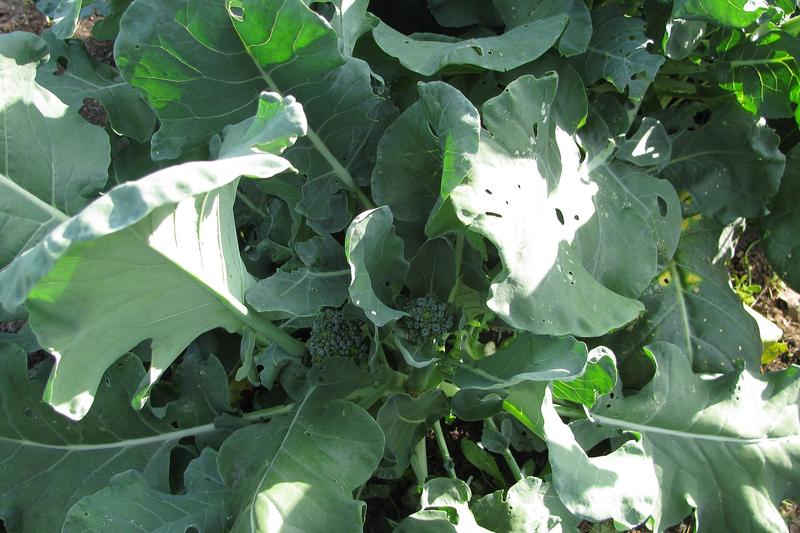
Quick facts
- Watering
- Weekly, more in dry spells
- Sunlight
- Full sun
- Soil
- Rich, moisture-retentive, well-drained
- Humans
- Safe
- Cats
- Safe
- Dogs
- Safe
- Height
- 45–90 cm
- Spread
- 45–60 cm
- Spacing
- 45–60 cm apart
About Broccoli
Broccoli is a cool-season brassica grown for its dense, green flowering heads and tender stems. Originally developed from wild cabbage in the Mediterranean, it has become a staple in British vegetable gardens and allotments. UK gardeners value broccoli for its nutritional benefits, reliable cropping from spring through autumn, and ability to thrive in our cool, moist climate. The plant produces a large central head followed by smaller side shoots that extend the harvest period considerably.
UK fact: Purple sprouting broccoli, a traditional British variety, was developed in the UK and is particularly well-suited to overwintering in British gardens, providing fresh greens during the 'hungry gap' of late winter and early spring when few other vegetables are available.
Watering Broccoli
Water broccoli deeply once or twice weekly, providing approximately 2.5-4 cm of water to encourage deep root development. During dry spells or when heads are forming, increase watering frequency to maintain consistent soil moisture, as irregular watering can cause hollow stems and poor head quality. In typical British summers, rainfall often provides adequate moisture, but monitor plants during dry periods from May through September. Apply water at the base of plants in the morning to reduce disease risk, and mulch around plants to retain moisture and regulate soil temperature.
Sunlight requirements
Position broccoli in a sunny spot that receives at least 6 hours of direct sunlight each day, ideally with a south or west-facing aspect. In the UK, broccoli can tolerate light afternoon shade during hot summers, which may actually help prevent premature bolting. Avoid heavily shaded areas as insufficient light results in loose, poorly formed heads and leggy growth.
Soil and feeding
Grow broccoli in rich, well-drained soil that has been improved with plenty of well-rotted manure or garden compost, ideally dug in the previous autumn. The ideal pH is 6.5-7.5; lime acidic soils if necessary as alkaline conditions help prevent clubroot disease, a common problem in brassicas. Heavy clay soils suit broccoli well provided they drain adequately, whilst lighter soils benefit from generous organic matter to improve moisture retention. Firm the soil well before planting as broccoli needs a solid root anchorage to support its heavy heads.
Apply a balanced general fertiliser at planting time, then feed every 2-3 weeks with a high-nitrogen liquid feed once plants are established to promote vigorous leafy growth. When flower heads begin to form, switch to a balanced fertiliser to support head development. Side-dress with compost or well-rotted manure mid-season to maintain soil fertility and provide steady nutrition throughout the long growing period.
Pruning Broccoli
Broccoli requires minimal pruning, but remove any yellowing or damaged lower leaves throughout the growing season to improve air circulation and reduce disease risk. Once the main central head reaches full size (typically 10-20 cm diameter), cut it with 15-20 cm of stem to encourage the development of secondary side shoots. Continue harvesting these smaller side shoots regularly over several weeks, cutting them when florets are tight and before they begin to flower. Remove the entire plant once side shoot production declines or when preparing the bed for the next crop.
Propagating Broccoli
Sow broccoli seeds in modules or seed trays under cover from March for summer crops, or in May-June for autumn and overwintering varieties. Seeds germinate readily at 10-20°C, typically within 7-12 days. Transplant seedlings to their final positions when they have developed 4-5 true leaves, usually 5-6 weeks after sowing. Space plants 45-60 cm apart in rows 60 cm apart, firming soil well around roots and watering in thoroughly to establish strong plants.
Common problems
Broccoli is susceptible to several common brassica pests including cabbage white butterfly caterpillars, which can rapidly defoliate plants, and pigeons, which damage leaves throughout the year. Clubroot, a soil-borne disease causing swollen, distorted roots and stunted growth, is particularly problematic in acidic soils and can persist for many years. Aphids, particularly mealy cabbage aphid, cluster on growing tips and under leaves, whilst flea beetles create small holes in young seedlings' leaves. Prevent problems by using fine mesh netting, practising crop rotation (avoid growing brassicas in the same spot for at least three years), improving drainage, and liming acidic soils to pH 7 or above to discourage clubroot.
Spot a problem with your plant? Photograph the affected area using the Loam app and it will suggest the most likely cause and treatment.
Safety
- Humans
- Safe
- Cats
- Safe
- Dogs
- Safe
Toxicity information is for general guidance only.
Seasonal care calendar
Monthly care guide for Broccoli in the UK, based on average conditions.
| Month | Care tasks |
|---|---|
| January | Harvest overwintering purple sprouting varieties. Order seeds for spring sowing. |
| February | Continue harvesting purple sprouting broccoli. Prepare beds for spring planting by adding compost and lime if needed. |
| March | Sow early summer varieties in modules under cover. Harvest late purple sprouting types. |
| April | Transplant March-sown seedlings outdoors under fleece. Sow more seeds for succession planting. |
| May | Plant out seedlings with netting protection. Sow autumn-cropping varieties. Water and feed established plants. |
| June | Sow late varieties for autumn and winter harvest. Keep plants well-watered during dry spells. Check for caterpillars. |
| July | Transplant June sowings. Begin harvesting early summer varieties. Water regularly and apply liquid feed. |
| August | Harvest summer broccoli regularly to encourage side shoots. Continue watering and feeding. Plant out autumn varieties. |
| September | Harvest maturing heads and side shoots. Earth up tall plants for winter stability. Remove yellowing leaves. |
| October | Continue harvesting autumn varieties. Stake tall overwintering plants against autumn gales. |
| November | Harvest late autumn varieties. Protect overwintering plants from pigeons with netting. |
| December | Check overwintering plants and firm soil around roots after frost. Plan crop rotation for next year. |
Frequently asked questions
- How do I protect broccoli from cabbage white butterflies?
- Cover plants with fine insect-proof mesh (maximum 0.8 mm holes) immediately after planting and ensure edges are well-secured. Check plants regularly and remove any eggs (yellow, found on leaf undersides) or caterpillars by hand. Companion planting with strongly scented herbs may help deter butterflies, though netting is the most reliable protection.
- Why are my broccoli leaves turning yellow?
- Yellowing leaves can indicate nitrogen deficiency, waterlogging, pest damage, or disease. Check soil moisture levels and ensure good drainage. Feed with a high-nitrogen fertiliser if plants are pale overall. Examine leaves for signs of pests like aphids or caterpillars. The Loam app can help diagnose the specific cause by analysing photos of your plant and provide personalised care recommendations based on your growing conditions.
- What soil conditions does broccoli need to grow well?
- Broccoli thrives in firm, fertile, well-drained soil with a pH of 6.5-7.5. The soil should be rich in organic matter, so dig in well-rotted compost or manure several weeks before planting. Firm soil is essential—tread the bed after digging to create a solid base that prevents plants from rocking in wind. Avoid freshly manured ground as this can cause loose heads. Lime acidic soils to raise pH and help prevent clubroot disease.
Got a question about growing Broccoli that isn't covered here? Ask the Garden Advisor in the Loam app. It knows your saved plants and local conditions.
Related plants
This page was compiled with AI assistance and reviewed by our team. .