Brussels Sprout
Brassica oleracea var. gemmifera
Vegetables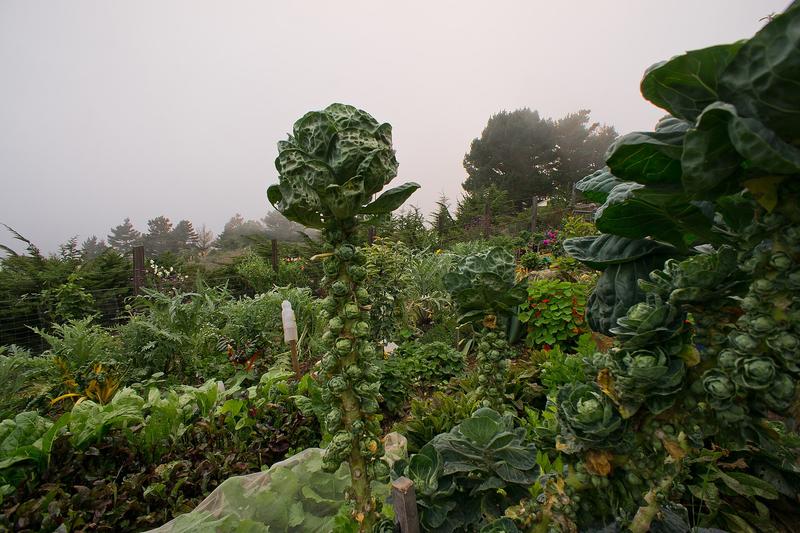
Quick facts
- Watering
- Weekly, more in dry spells
- Sunlight
- Full sun
- Soil
- Firm, fertile, alkaline soil
- Humans
- Safe
- Cats
- Safe
- Dogs
- Safe
- Height
- 60–90 cm
- Spread
- 45–60 cm
- Spacing
- 60–75 cm apart
About Brussels Sprout
Brussels sprouts are hardy biennial vegetables grown as annuals, producing tight, cabbage-like buds along tall, sturdy stems. Native to Belgium, they have been cultivated in British gardens since the 18th century and remain a staple winter crop. UK gardeners prize them for their cold-hardiness and ability to provide fresh harvests throughout the bleakest months. The compact sprouts develop best after exposure to frost, which sweetens their flavour considerably.
UK fact: Brussels sprouts are so integral to the British Christmas dinner that UK growers plant over 3,500 hectares annually, with Lincolnshire and Lancashire producing the majority of the nation's festive crop.
Watering Brussels Sprout
Water deeply once or twice weekly during dry weather, providing approximately 20–25 litres per square metre. Brussels sprouts have deep root systems but require consistent moisture to prevent stress, which causes buttons to open prematurely or 'blow'. Mulch around plants in June to conserve moisture and regulate soil temperature. Reduce watering as temperatures drop in autumn, but never allow the soil to dry out completely, as this affects sprout quality and flavour.
Sunlight requirements
Position in an open, sunny site receiving at least six hours of direct sunlight daily. In the UK, south-facing beds are ideal, though they will tolerate light afternoon shade in southern regions. Avoid planting in the shadow of walls or beneath trees, as poor light results in loose, poorly formed sprouts and weak, leggy growth.
Soil and feeding
Prepare beds in autumn or early winter by incorporating well-rotted manure or garden compost, then allow the soil to settle and firm naturally over winter. Brussels sprouts require firm soil to anchor their tall stems and prevent wind-rock; avoid freshly dug or loose ground. The ideal pH is 6.5–7.5; lime acidic soils in winter if necessary, as brassicas are prone to clubroot in acidic conditions. Heavy clay soils are suitable provided drainage is adequate, whilst sandy soils benefit from generous organic matter to retain moisture.
Apply a general-purpose granular fertiliser such as Growmore at 70g per square metre when planting out. Top-dress with a nitrogen-rich feed (such as dried poultry manure pellets) in mid-June to promote strong leafy growth. Once buttons begin forming in late summer, switch to a balanced liquid feed every fortnight to support development without encouraging excessive leaf growth at the expense of sprouts.
Pruning Brussels Sprout
Strip away yellowing or damaged lower leaves throughout the growing season to improve air circulation and reduce disease risk. In late October or early November, pinch out the growing tip (the leafy rosette at the top) to divert energy into swelling the buttons and encourage them to mature simultaneously. Harvest sprouts from the bottom upwards as they reach 2–3cm in diameter, snapping them off cleanly. The leafy top can be harvested and cooked like spring greens once all sprouts are picked.
Propagating Brussels Sprout
Brussels sprouts are grown from seed sown in spring for autumn and winter harvest. Sow thinly in modules under cover from mid-March, or directly into an outdoor seedbed from early April once soil temperatures reach 7°C. Transplant seedlings when they have five or six true leaves, typically 5–6 weeks after sowing. Plant deeply, burying the stem up to the first true leaves to encourage stability, and firm the soil thoroughly around each plant to prevent wind-rock.
Common problems
Brussels sprouts are susceptible to cabbage root fly, whose larvae tunnel into roots causing wilting and collapse; protect young plants with brassica collars or fine mesh. Cabbage white caterpillars can rapidly defoliate plants in summer; inspect regularly and remove by hand or use biological controls. Clubroot is a persistent soil-borne disease causing swollen, distorted roots and stunted growth; prevent by liming acidic soils, practising crop rotation, and choosing resistant varieties. Aphids, particularly mealy cabbage aphid, cluster on growing tips and beneath leaves, weakening plants and spreading viruses; wash off with a strong jet of water or use insecticidal soap.
Spot a problem with your plant? Photograph the affected area using the Loam app and it will suggest the most likely cause and treatment.
Safety
- Humans
- Safe
- Cats
- Safe
- Dogs
- Safe
Toxicity information is for general guidance only.
Seasonal care calendar
Monthly care guide for Brussels Sprout in the UK, based on average conditions.
| Month | Care tasks |
|---|---|
| January | Harvest sprouts from the bottom of stems upwards. Firm soil around plants loosened by frost or wind. |
| February | Continue harvesting sprouts. Remove any plants that have finished cropping and add to the compost heap. |
| March | Sow seeds in modules under cover from mid-month. Prepare planting beds by incorporating compost and firming soil. |
| April | Sow seeds outdoors in a seedbed. Continue sowing in modules for succession. Prepare final planting positions. |
| May | Transplant earliest seedlings to final positions from late May. Water regularly and protect from cabbage root fly with collars. |
| June | Complete transplanting by mid-month. Apply nitrogen-rich feed and mulch around plants. Check regularly for caterpillars. |
| July | Water deeply during dry spells. Remove lower yellowing leaves. Continue monitoring for pests, especially cabbage white butterflies. |
| August | Earth up around stem bases for stability. Switch to balanced liquid feed as buttons begin forming. Remove any damaged foliage. |
| September | Continue feeding and watering. Check plants are firmly anchored. Remove yellowing lower leaves to improve air circulation. |
| October | Pinch out growing tips in late October to encourage uniform button development. Begin harvesting early varieties from the base upwards. |
| November | Harvest sprouts as they reach 2–3cm diameter. Firm soil around plants after gales. Protect from pigeons with netting if necessary. |
| December | Continue harvesting sprouts, which improve in flavour after frost. Check stakes and firm windblown plants. |
Frequently asked questions
- When should I sow Brussels sprout seeds in the UK?
- Sow Brussels sprout seeds under cover from late February to early April, or outdoors from mid-March to April. Transplant seedlings when they have 5–6 true leaves, typically 5–6 weeks after sowing. For a winter harvest, aim to transplant by late May to early June, allowing the long growing season these brassicas require to develop firm buttons by autumn.
- Why are the leaves on my Brussels sprouts turning yellow?
- Yellowing leaves can indicate nitrogen deficiency, waterlogging, clubroot disease, or pest damage from cabbage root fly or aphids. Check soil drainage, inspect roots for swelling (clubroot), and examine leaf undersides for pests. The Loam app can help diagnose the specific cause through photos and provide personalised treatment recommendations based on your growing conditions.
- What pests and diseases affect Brussels sprouts?
- Common problems include cabbage white caterpillars, aphids, cabbage root fly, flea beetles, clubroot, and powdery mildew. Use fine mesh netting to exclude butterflies, check regularly for aphid colonies on growing tips, and practice crop rotation to prevent soil-borne diseases. Companion planting with nasturtiums or strong-smelling herbs may help deter some pests naturally.
Got a question about growing Brussels Sprout that isn't covered here? Ask the Garden Advisor in the Loam app. It knows your saved plants and local conditions.
Related plants
This page was compiled with AI assistance and reviewed by our team. .