Kale
Brassica oleracea var. sabellica
Vegetables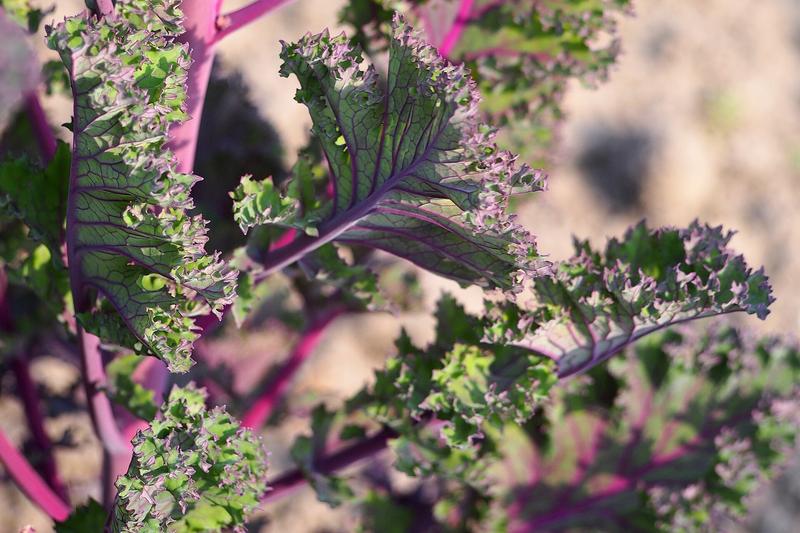
Quick facts
- Watering
- Weekly, more in dry spells
- Sunlight
- Full sun to partial shade
- Soil
- Fertile, moisture-retentive, well-drained
- Humans
- Safe
- Cats
- Safe
- Dogs
- Safe
- Height
- 30–90 cm
- Spread
- 30–60 cm
- Spacing
- 45–60 cm apart
About Kale
Kale is a hardy, leafy brassica renowned for its nutritional value and cold tolerance, making it an ideal winter vegetable for British gardens. With deeply curled or flat leaves in shades of green, purple, or black, this versatile crop has been cultivated in Britain for centuries. UK gardeners prize kale for its ability to withstand harsh frosts, which actually improve its flavour, and for providing fresh greens throughout the lean winter months when little else is available.
UK fact: Kale has been grown in Britain since Roman times and was a staple crop in medieval kitchen gardens, often called 'borecole' from the Dutch 'boerenkool', meaning peasant's cabbage.
Watering Kale
Kale requires regular watering to develop tender, flavourful leaves, particularly during establishment and dry periods. Water deeply at the base of plants rather than overhead to reduce the risk of fungal diseases. During typical British summers, weekly watering suffices, but increase frequency during prolonged dry spells or when growing in containers. Mulching around plants helps retain moisture and keeps roots cool.
Sunlight requirements
Position kale in a spot receiving at least 4-6 hours of direct sunlight daily for optimal growth. In southern UK gardens, light afternoon shade can be beneficial during hot spells. North-facing plots with good light still produce acceptable crops, though growth may be slower and leaves less vigorous.
Soil and feeding
Grow kale in fertile, well-drained soil enriched with well-rotted manure or compost, ideally prepared the previous autumn. The ideal pH is 6.5-7.5; lime acidic soils if necessary, as alkaline conditions help prevent clubroot disease. Kale prefers firm soil, so avoid freshly dug beds—tread the ground gently before planting. Heavy clay soils suit kale well provided drainage is adequate, whilst sandy soils benefit from generous organic matter to improve moisture retention.
Apply a balanced general fertiliser at planting, then switch to a high-nitrogen feed such as poultry manure pellets or liquid seaweed every 3-4 weeks throughout summer and autumn. Avoid overfeeding late in the season as this can reduce cold hardiness and encourage soft growth susceptible to frost damage.
Pruning Kale
Begin harvesting kale leaves when plants are approximately 20-25 cm tall, taking a few outer leaves from each plant rather than stripping one plant bare. This 'cut-and-come-again' approach encourages new growth from the crown and extends the harvest period. Remove yellowing, damaged, or pest-affected leaves promptly to maintain plant health. In spring, remove the flowering shoots as they appear to prolong the leafy harvest, though you can allow a few to flower for beneficial insects.
Propagating Kale
Sow kale seeds in modules or seed trays under cover from March to May for summer and autumn crops, or in June and July for winter harvests. Alternatively, sow directly into prepared seedbeds outdoors from April onwards when soil has warmed. Transplant module-grown seedlings when they have 4-5 true leaves, spacing them 45-60 cm apart. Succession sowing every few weeks ensures a continuous supply of tender young leaves.
Common problems
Kale is susceptible to cabbage white butterfly caterpillars, which can rapidly defoliate plants; cover crops with fine netting from May to September to exclude egg-laying adults. Cabbage aphids often colonise growing tips in summer—squash small infestations by hand or spray with organic insecticidal soap. Clubroot, a persistent soil-borne disease causing swollen, distorted roots and stunted growth, is best prevented by improving drainage, liming acidic soils, and practising crop rotation, avoiding planting brassicas in the same spot more than once every four years. Pigeons are particularly troublesome in winter when other food is scarce, so netting is essential for protecting crops.
Spot a problem with your plant? Photograph the affected area using the Loam app and it will suggest the most likely cause and treatment.
Safety
- Humans
- Safe
- Cats
- Safe
- Dogs
- Safe
Toxicity information is for general guidance only.
Seasonal care calendar
Monthly care guide for Kale in the UK, based on average conditions.
| Month | Care tasks |
|---|---|
| January | Harvest winter kale as needed. Protect plants from pigeons with netting. Check supports and firm any plants loosened by frost. |
| February | Continue harvesting winter varieties. Prepare beds for spring sowings by incorporating well-rotted manure or compost. |
| March | Sow early varieties in modules under cover for summer cropping. Begin direct sowing outdoors in mild regions from late March. |
| April | Continue sowing in modules or directly outdoors. Transplant March-sown seedlings to their final positions. Apply slug pellets or barriers around young plants. |
| May | Sow seeds for autumn crops. Transplant April-sown seedlings. Cover plants with netting to exclude cabbage white butterflies. Water regularly during dry spells. |
| June | Sow seeds for winter harvests. Keep plants well-watered and feed with nitrogen-rich fertiliser. Check regularly for caterpillars and aphids. |
| July | Final sowings for winter crops. Transplant June-sown seedlings. Begin harvesting early varieties. Continue feeding and watering established plants. |
| August | Transplant July-sown seedlings for winter cropping. Harvest summer varieties regularly. Water during dry periods and feed every 3-4 weeks. |
| September | Harvest summer and autumn varieties. Ensure winter crops are well established and protected from pests. Reduce feeding as growth slows. |
| October | Continue harvesting. Check netting is secure against pigeons. Remove any yellowing leaves to maintain plant health. |
| November | Harvest winter kale as needed—flavour improves after frost. Ensure plants are firmly anchored and protected from pigeons. |
| December | Harvest winter varieties throughout the month. Kale is at its sweetest after cold weather. Maintain pigeon protection. |
Frequently asked questions
- How do I protect kale from caterpillars?
- Cover plants with fine mesh netting (maximum 7mm holes) from May to September to prevent cabbage white butterflies from laying eggs. Check plants regularly and remove any caterpillars by hand if they appear.
- Why are my kale leaves turning yellow?
- Yellowing leaves usually indicate nitrogen deficiency, particularly in older lower leaves. Feed with a nitrogen-rich fertiliser such as poultry manure pellets. Yellowing can also result from waterlogging, so ensure good drainage. The Loam app can help diagnose leaf problems by analysing photos and provide personalised feeding schedules based on your growing conditions.
- What spacing does kale need when planting out?
- Space kale plants 45 cm apart in rows 45-60 cm apart to allow good air circulation and room for mature growth. Closer spacing of 30 cm produces smaller plants suitable for baby leaf harvests. Proper spacing reduces fungal diseases and makes it easier to net plants against pests.
Got a question about growing Kale that isn't covered here? Ask the Garden Advisor in the Loam app. It knows your saved plants and local conditions.
Related plants
This page was compiled with AI assistance and reviewed by our team. .