Endive
Cichorium endivia
Vegetables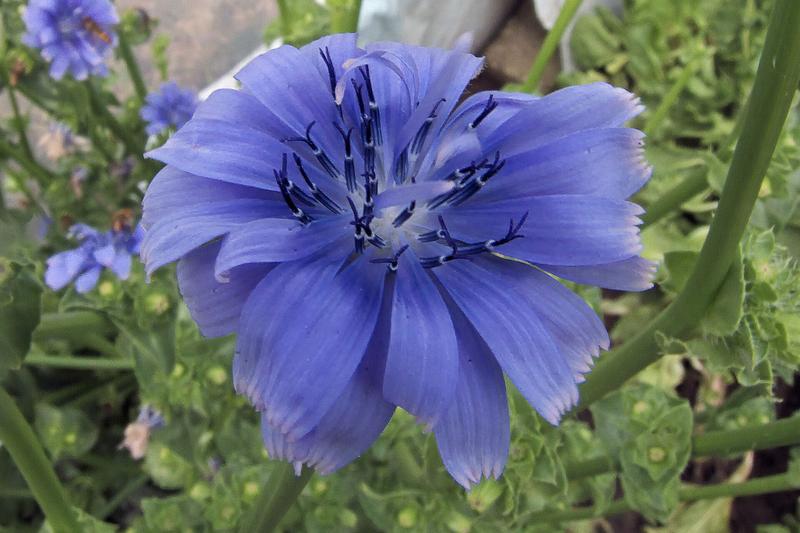
Quick facts
- Watering
- Weekly, more in dry spells
- Sunlight
- Full sun to partial shade
- Soil
- Rich, moisture-retentive, well-drained
- Humans
- Safe
- Cats
- Safe
- Dogs
- Safe
- Height
- 20–30 cm
- Spread
- 25–40 cm
- Spacing
- 25–35 cm apart
About Endive
Endive is a leafy salad vegetable closely related to chicory, forming rosettes of crisp, slightly bitter leaves that may be curly (frisée) or broad-leaved (escarole). Native to the Mediterranean region, it has been cultivated in European kitchen gardens for centuries and thrives in the UK's cool, moist climate. British gardeners prize endive for autumn and winter salads when lettuce becomes scarce, and for its ability to withstand light frosts. The leaves are traditionally blanched before harvest to reduce bitterness and produce tender, pale hearts.
UK fact: Endive was a staple in Victorian kitchen gardens across Britain, where head gardeners would blanch the hearts by tying leaves together or covering plants with terracotta pots, a technique still recommended by the RHS today for the sweetest, most tender leaves.
Watering Endive
Keep soil consistently moist but not waterlogged, watering weekly during normal weather and increasing to twice weekly during dry spells. Endive has shallow roots and suffers quickly in drought, developing excessively bitter leaves and bolting prematurely. Apply water at the base of plants in the morning to reduce slug activity and fungal diseases. Mulching with compost helps retain moisture during the critical summer months when bolting risk is highest.
Sunlight requirements
Position endive in full sun for spring and autumn crops, which benefit from maximum light during cooler months. Summer sowings appreciate partial shade or a north-facing aspect to prevent premature flowering in warm weather. In northern Britain, full sun is suitable year-round, whilst southern gardeners should provide afternoon shade during July and August.
Soil and feeding
Grow endive in rich, moisture-retentive soil that has been improved with well-rotted compost or manure, ensuring good drainage to prevent root rot during wet British autumns and winters. The ideal pH is 6.5-7.5; slightly alkaline conditions help prevent tip burn, a common problem in acidic soils. Heavy clay soils benefit from added grit and organic matter to improve structure, whilst sandy soils require generous compost incorporation to retain moisture. Avoid freshly manured ground, which can cause excessive leaf growth at the expense of heart formation.
Endive is a moderate feeder requiring steady nutrition for lush leaf growth. Apply a balanced liquid fertiliser (such as seaweed feed) every two weeks from four weeks after sowing, or incorporate a general-purpose granular fertiliser into the soil at planting. Avoid high-nitrogen feeds late in the season, which promote soft growth susceptible to frost damage and rot.
Pruning Endive
Harvest outer leaves regularly from six weeks after sowing to encourage the plant to produce fresh growth from the centre. Remove any yellowing or damaged leaves promptly to maintain plant health and reduce slug hiding places. If flower stems appear, cut them out immediately at the base to redirect energy into leaf production, though once bolting begins the leaves become increasingly bitter. For autumn crops, remove the outermost leaves three weeks before harvest to expose the heart for blanching.
Propagating Endive
Sow endive seeds directly into prepared soil from March under cloches, or from April onwards in open ground, continuing until late August for winter crops. Seeds germinate best at 10-20°C and emerge within 7-14 days. Thin seedlings to final spacing when large enough to handle, typically at the two-leaf stage. For earlier crops, sow indoors in modules during March and transplant after hardening off, though direct sowing is generally more successful as endive dislikes root disturbance.
Common problems
Endive is relatively trouble-free but susceptible to slugs and snails, which can devastate young plants during damp British weather; use organic pellets, copper tape, or beer traps for control. Aphids occasionally colonise leaves in summer, causing distortion and spreading viruses; wash off with water or use insecticidal soap. Bolting is the most common cultural problem, triggered by drought, heat, or cold stress, so maintain consistent moisture and choose bolt-resistant varieties for summer sowings. Tip burn, where leaf edges turn brown, occurs in acidic soils or during calcium deficiency; lime acidic soils and ensure consistent watering.
Spot a problem with your plant? Photograph the affected area using the Loam app and it will suggest the most likely cause and treatment.
Safety
- Humans
- Safe
- Cats
- Safe
- Dogs
- Safe
Toxicity information is for general guidance only.
Seasonal care calendar
Monthly care guide for Endive in the UK, based on average conditions.
| Month | Care tasks |
|---|---|
| January | Harvest any remaining autumn-sown crops under cloches. Plan crop rotation and order seeds for spring sowing. |
| February | Prepare beds by incorporating compost. Sow early varieties in modules indoors or under heated propagation for transplanting in April. |
| March | Sow first outdoor crops under cloches or fleece. Continue indoor sowings for transplanting. Prepare soil in open ground for April sowings. |
| April | Sow directly outdoors in open ground. Transplant March-sown seedlings after hardening off. Thin earlier sowings and keep well watered. |
| May | Continue successional sowings every three weeks. Thin April sowings to final spacing. Water regularly and apply liquid feed to established plants. |
| June | Sow summer varieties resistant to bolting. Harvest early spring sowings. Water frequently during dry spells and feed fortnightly. Watch for aphids. |
| July | Continue successional sowings until mid-month. Harvest spring-sown crops. Provide shade for summer sowings during hot weather. Maintain consistent watering. |
| August | Make final sowings by late August for autumn and winter crops. Begin blanching summer-sown plants three weeks before harvest. Water and feed regularly. |
| September | Harvest summer crops. Thin August sowings to final spacing. Begin blanching autumn crops. Protect late sowings with cloches in northern areas. |
| October | Harvest blanched autumn crops. Cover late sowings with cloches or fleece for winter protection. Remove yellowing leaves to reduce rot risk. |
| November | Continue harvesting protected crops. Ensure cloches are secure against autumn gales. Remove any bolted or rotting plants promptly. |
| December | Harvest remaining crops under protection. Check cloches after frost and remove any damaged leaves. Plan next year's sowings. |
Frequently asked questions
- How do I blanch endive before harvesting?
- Blanch endive three weeks before harvest to reduce bitterness and produce sweet, tender hearts. Gather outer leaves together and tie loosely with string, or cover the centre with an upturned pot or plate, ensuring leaves are dry to prevent rot. Only blanch a few plants at a time as they deteriorate quickly once blanched. Check regularly and harvest within 2-3 weeks of covering.
- Why are my endive leaves turning brown and wilting?
- Brown, wilting leaves typically indicate inconsistent watering, fungal disease, or pest damage. Check soil moisture levels—endive needs consistent watering without waterlogging. Inspect leaf bases for slugs or aphids, and remove any rotting foliage immediately. The Loam app can help diagnose specific leaf problems through photo identification and provide personalised watering schedules based on your local weather conditions.
- What spacing does endive need when planting out?
- Space endive plants 25-30cm (10-12 inches) apart in rows 30-38cm (12-15 inches) apart. This allows sufficient air circulation to reduce fungal disease risk whilst giving plants room to develop full hearts. Curly varieties can be slightly closer at 25cm, whilst broad-leaved escarole benefits from the wider 30cm spacing. Thin seedlings to final spacing when they have 3-4 true leaves.
Got a question about growing Endive that isn't covered here? Ask the Garden Advisor in the Loam app. It knows your saved plants and local conditions.
Related plants
This page was compiled with AI assistance and reviewed by our team. .