Beetroot
Beta vulgaris subsp. vulgaris
Vegetables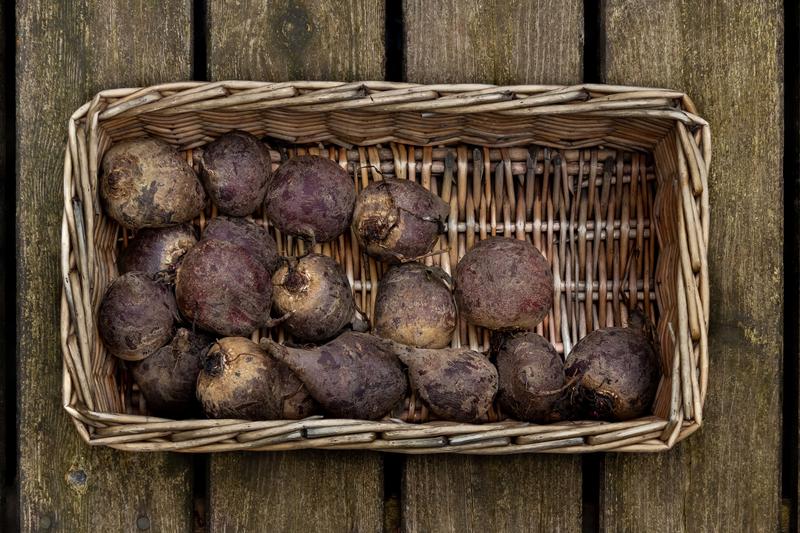
Quick facts
- Watering
- Weekly, more in dry spells
- Sunlight
- Full sun to partial shade
- Soil
- Light, well-drained, fertile loam
- Humans
- Safe
- Cats
- Safe
- Dogs
- Safe
- Height
- 20–40 cm
- Spread
- 10–15 cm
- Spacing
- 10–15 cm apart
About Beetroot
Beetroot is a hardy biennial vegetable grown as an annual for its sweet, earthy roots and nutritious leaves. Originating from the Mediterranean, it has been cultivated in Britain since Roman times and remains a staple in UK allotments and kitchen gardens. The swollen tap roots range in colour from deep crimson to golden yellow or striped varieties, whilst the glossy green or red-veined foliage is equally edible. UK gardeners prize beetroot for its reliability, versatility in the kitchen, and ability to thrive in our cool, temperate climate.
UK fact: Beetroot was traditionally used to make sugar in Britain during the Napoleonic Wars when Caribbean sugar imports were blockaded, with several sugar beet factories established across East Anglia that continue production today.
Watering Beetroot
Maintain even soil moisture throughout growth, as irregular watering causes roots to split or develop tough, fibrous rings. During dry spells, water deeply once or twice weekly rather than little and often, encouraging roots to grow downwards. Mulch around plants with compost or straw to retain moisture and reduce watering frequency. In typical UK summers, rainfall often suffices, but monitor closely during June and July when roots are swelling rapidly.
Sunlight requirements
Choose a site receiving at least six hours of direct sunlight daily for optimal root development and sweetness. In southern UK gardens, afternoon shade during July and August can be beneficial, reducing heat stress and premature flowering. North-facing plots or those shaded by buildings may produce smaller roots but perfectly edible leaves.
Soil and feeding
Prepare beds by removing stones and breaking up compacted soil to at least 30cm depth, as obstructions cause forked or twisted roots. Beetroot prefers a slightly alkaline to neutral pH of 6.5-7.5; lime acidic soils the previous autumn if necessary. Avoid freshly manured ground as this encourages leafy growth at the expense of roots and increases the risk of forking. Instead, grow beetroot in ground manured for a previous crop, or incorporate well-rotted compost several weeks before sowing.
Apply a general-purpose fertiliser such as blood, fish and bone at 70g per square metre before sowing if soil is poor. Avoid high-nitrogen feeds which promote leaf growth over root development. A light side-dressing of potash-rich fertiliser when roots begin to swell encourages sweetness and good colour.
Pruning Beetroot
Beetroot requires no formal pruning as it is grown for its roots. If using young leaves in salads, pick only the outer foliage and leave at least four leaves per plant to maintain photosynthesis and root growth. Remove any yellowing or diseased leaves promptly to improve air circulation and reduce fungal problems. When harvesting roots, twist off the foliage rather than cutting to prevent bleeding, leaving about 5cm of stem attached.
Propagating Beetroot
Sow seeds directly into prepared beds from mid-March onwards once soil temperatures reach 7°C, with successional sowings every three weeks until early July for harvests from June through to October. Pre-germinate seeds indoors on damp kitchen paper for five days before sowing to speed establishment in cold spring soils. Sow seeds 2.5cm deep in drills 30cm apart, spacing seeds 10cm apart, then thin seedlings to one per station when large enough to handle. For early crops, sow bolt-resistant varieties under cloches in February or start in modules under cover in March, transplanting carefully when seedlings have four true leaves.
Common problems
Beetroot is relatively trouble-free but can suffer from bolting in cold springs when young plants are exposed to temperatures below 10°C for extended periods; choose bolt-resistant varieties for early sowings. Leaf miner larvae create distinctive brown blister-like tunnels in foliage but rarely affect root quality; simply remove affected leaves. Aphids, particularly black bean aphids, may colonise young growth in May and June, weakening plants and spreading viruses; wash off with water or use organic sprays if severe. Damping off can affect seedlings in cold, wet soil, so avoid sowing too early and ensure good drainage.
Spot a problem with your plant? Photograph the affected area using the Loam app and it will suggest the most likely cause and treatment.
Safety
- Humans
- Safe
- Cats
- Safe
- Dogs
- Safe
Toxicity information is for general guidance only.
Seasonal care calendar
Monthly care guide for Beetroot in the UK, based on average conditions.
| Month | Care tasks |
|---|---|
| January | No action needed. Plan crop rotation and order seeds for spring sowing. |
| February | Prepare beds by incorporating well-rotted compost. Sow bolt-resistant varieties under cloches in mild areas from late February. |
| March | Begin outdoor sowings from mid-March when soil reaches 7°C. Sow bolt-resistant varieties first, with maincrop varieties from late March. |
| April | Continue successional sowings every three weeks. Thin earlier sowings to final spacing. Keep beds weed-free and water if dry. |
| May | Sow maincrop varieties for autumn harvests. Thin April sowings. Begin harvesting early crops when roots reach golf-ball size. |
| June | Make final sowings by mid-month for autumn crops. Water regularly during dry spells. Harvest early sowings as needed. |
| July | Water consistently to prevent splitting. Harvest spring-sown crops. Keep on top of weeds and watch for aphids. |
| August | Continue harvesting maincrop varieties. Water during dry weather. Remove any bolted plants. |
| September | Harvest maincrop beetroot for fresh use or storage. Lift roots carefully with a fork to avoid damage. |
| October | Complete harvesting before first frosts. Twist off foliage and store undamaged roots in boxes of sand in a cool, frost-free shed. |
| November | Check stored roots regularly and remove any showing signs of rot. Clear spent plants and add to compost. |
| December | No action needed. Continue checking stored roots and use as needed in the kitchen. |
Frequently asked questions
- How do I know when to harvest beetroot?
- Harvest when roots reach 5-8cm diameter, typically 10-12 weeks after sowing. Baby beets can be pulled at golf-ball size from seven weeks. Gently feel around the base of the plant to check size without lifting. Twist off the foliage rather than cutting to prevent bleeding. For the best flavour, avoid leaving roots in the ground too long as they become woody.
- Why are my beetroot leaves turning yellow?
- Yellow leaves can indicate several issues including nutrient deficiency (particularly nitrogen or manganese), inconsistent watering, or pest damage. Check soil moisture levels and ensure regular watering. Examine leaves for signs of leaf miner tunnels or aphids. The Loam app can help diagnose the specific cause by analysing photos of your plants and provide personalised care recommendations based on your growing conditions.
- What type of soil does beetroot need?
- Beetroot thrives in light, well-drained soil with a pH of 6.5-7.5. Heavy clay soils can cause forked or stunted roots, so improve drainage by adding organic matter or grow in raised beds. Avoid freshly manured ground as this encourages leafy growth at the expense of roots. Apply a general fertiliser before sowing if soil is poor, but beetroot doesn't require heavy feeding.
Got a question about growing Beetroot that isn't covered here? Ask the Garden Advisor in the Loam app. It knows your saved plants and local conditions.
Related plants
This page was compiled with AI assistance and reviewed by our team. .