Carrot
Daucus carota subsp. sativus
Vegetables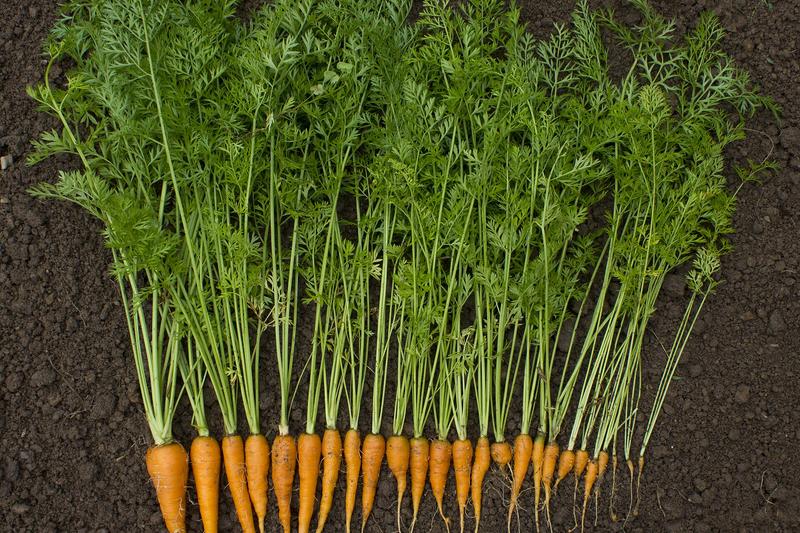
Quick facts
- Watering
- Weekly, more in dry spells
- Sunlight
- Full sun
- Soil
- Deep, well-drained, stone-free sandy loam
- Humans
- Safe
- Cats
- Safe
- Dogs
- Safe
- Height
- 15–30 cm
- Spread
- 5–10 cm
- Spacing
- 5–8 cm apart
About Carrot
Carrots are biennial vegetables grown as annuals for their sweet, crunchy taproots in shades of orange, purple, yellow, and white. Originally domesticated in Central Asia, they have been cultivated in Britain since the 15th century and remain one of the most popular homegrown vegetables. UK gardeners prize carrots for their versatility in the kitchen, excellent storage qualities, and the superior flavour of freshly harvested roots compared to shop-bought varieties. They thrive in the cool British climate, making them ideal for successive sowings from early spring through summer.
UK fact: During World War II, the British government promoted carrots heavily as part of the 'Dig for Victory' campaign, even creating the fictional character 'Dr Carrot' to encourage consumption and claiming they helped pilots see in the dark—actually a cover story for new radar technology.
Watering Carrot
Keep the soil evenly moist throughout the growing season, providing approximately 2.5 cm of water per week through rainfall or irrigation. During dry spells, especially in June and July, increase watering frequency to prevent the soil from drying out, which can cause roots to split when rain eventually arrives. Water at soil level rather than overhead to reduce the risk of foliar diseases. Mulching with well-rotted compost helps retain moisture and reduces watering frequency, particularly beneficial on free-draining soils.
Sunlight requirements
Position carrots in the sunniest spot available in your garden, ideally receiving six to eight hours of direct sunlight. In the UK, a south-facing bed is ideal, though they will tolerate light afternoon shade in warmer southern regions. Insufficient light results in pale, spindly foliage and poorly developed roots with reduced sweetness.
Soil and feeding
Carrots perform best in light, sandy loam that is deeply cultivated, stone-free, and well-drained with a pH between 6.0 and 6.8. Heavy clay soils cause forking and stunted growth; improve them by adding sharp sand and organic matter, or grow short-rooted varieties in raised beds. Remove all stones, which cause roots to fork and twist around obstacles. Avoid freshly manured ground, as this also causes forking—instead, grow carrots in soil manured for a previous crop or add only well-rotted compost several months before sowing.
Avoid nitrogen-rich fertilisers, which promote lush foliage at the expense of root development and can cause forking. If your soil is poor, apply a general-purpose fertiliser such as blood, fish and bone at 70g per square metre before sowing. No further feeding is typically necessary during the growing season unless plants show signs of nutrient deficiency.
Pruning Carrot
Thin seedlings when they reach 2-3 cm tall, removing weaker plants to leave 5-8 cm between roots depending on variety. Thin in the evening and water afterwards to settle soil around remaining plants and minimise scent that attracts carrot fly. Remove thinnings from the garden entirely rather than composting nearby. Keep the bed weed-free by hand-weeding carefully to avoid damaging shallow roots, particularly when plants are young.
Propagating Carrot
Sow carrot seeds directly into prepared soil from March through July for successive harvests. Early sowings under cloches or fleece can begin in February in milder regions. Seeds are small and slow to germinate, taking 14-21 days, so mixing with sand or radish seeds helps mark the rows. Carrots resent root disturbance and must not be transplanted, making direct sowing essential for success.
Common problems
Carrot fly is the most serious pest, with larvae tunnelling into roots and making them inedible; prevent by covering crops with insect-proof mesh from sowing onwards and avoiding thinning on warm, still days when flies are active. Aphids occasionally colonise foliage, spreading viruses that cause stunted, yellowed growth. Splitting occurs when irregular watering causes rapid growth after dry periods, whilst forking results from stony soil or fresh manure. Cavity spot, a fungal disease causing small brown lesions on roots, is more common on poorly drained or alkaline soils.
Spot a problem with your plant? Photograph the affected area using the Loam app and it will suggest the most likely cause and treatment.
Safety
- Humans
- Safe
- Cats
- Safe
- Dogs
- Safe
Toxicity information is for general guidance only.
Seasonal care calendar
Monthly care guide for Carrot in the UK, based on average conditions.
| Month | Care tasks |
|---|---|
| January | Plan crop rotation and order seeds. Prepare beds when weather permits by removing weeds and incorporating well-rotted compost. |
| February | Sow early varieties under cloches or fleece in milder regions. Prepare outdoor beds for March sowings. |
| March | Begin outdoor sowings of early varieties from mid-month. Sow maincrop varieties towards month end. Protect with fleece or enviromesh. |
| April | Continue successive sowings every three weeks. Thin March sowings to final spacing. Keep beds weed-free and water during dry spells. |
| May | Sow maincrop varieties for autumn and winter storage. Thin earlier sowings. Begin harvesting early varieties sown under protection. |
| June | Make final sowings of quick-maturing varieties. Water regularly during dry weather. Harvest early varieties as needed. |
| July | Sow fast-maturing varieties for autumn harvest. Continue watering and weeding. Harvest spring-sown crops. |
| August | Harvest early and mid-season varieties. Keep maincrop varieties watered. Monitor for carrot fly damage. |
| September | Begin harvesting maincrop varieties. Lift roots for storage before heavy autumn rains. Leave some in ground for fresh winter harvests. |
| October | Complete harvest of maincrop varieties for storage. Protect remaining roots with straw mulch for winter harvesting. |
| November | Harvest remaining roots before hard frosts in colder regions. Store in boxes of sand in a cool, frost-free shed. |
| December | Harvest overwintered carrots as needed. Check stored roots and remove any showing signs of rot. |
Frequently asked questions
- How do I protect carrots from carrot fly?
- Cover crops with insect-proof mesh or fleece immediately after sowing and keep in place throughout the season. Thin seedlings in the evening when flies are less active, water afterwards, and remove all thinnings. Growing carrots in containers or raised beds above 60 cm also helps, as carrot fly rarely flies higher.
- Why are my carrot leaves turning yellow?
- Yellowing leaves can indicate several issues including nutrient deficiency, overwatering, carrot fly damage, or disease. Check soil moisture levels and inspect roots for small white larvae indicating carrot fly. The Loam app can help diagnose the specific cause by analysing photos of your plants and provide personalised care recommendations based on your growing conditions.
- What soil do carrots need to grow well?
- Carrots need light, well-drained, stone-free soil with a pH of 6.5-7.5. Heavy clay causes forking and poor growth, so improve it by adding sharp sand and organic matter several months before sowing. Avoid freshly manured soil as this causes fanging—instead use ground that was manured for a previous crop. Rake the seedbed to a fine tilth before sowing for best results.
Got a question about growing Carrot that isn't covered here? Ask the Garden Advisor in the Loam app. It knows your saved plants and local conditions.
Related plants
This page was compiled with AI assistance and reviewed by our team. .