Celery
Apium graveolens var. dulce
Vegetables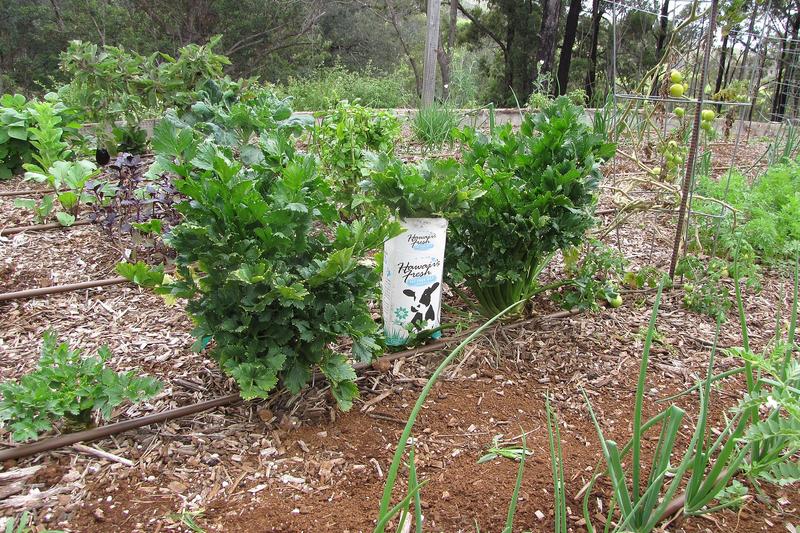
Quick facts
- Watering
- Every 2-3 days, daily in heat
- Sunlight
- Full sun to partial shade
- Soil
- Rich, moisture-retentive, fertile loam
- Humans
- Safe
- Cats
- Toxic
- Dogs
- Toxic
- Height
- 30–45 cm
- Spread
- 25–35 cm
- Spacing
- 23–30 cm apart
About Celery
Celery is a biennial vegetable grown as an annual for its crisp, ribbed stalks that form tight bunches of pale green to white stems. Native to Mediterranean marshlands, it has been cultivated in Britain since the 17th century and remains a popular kitchen garden crop. UK gardeners value celery for its fresh, aromatic flavour in salads and cooking, though it demands consistent moisture and rich soil. Modern self-blanching varieties have made cultivation easier than traditional trench celery, which required laborious earthing up.
UK fact: Victorian kitchen gardens in Britain pioneered trench celery cultivation, where plants were grown in deep trenches and progressively earthed up to blanch the stems white—a labour-intensive method that produced the sweetest, most tender stalks prized for the dining table.
Watering Celery
Water celery deeply and frequently, never allowing the soil to dry out—aim for at least 2.5 cm of water per week, more during hot, dry spells. Inconsistent watering causes hollow, cracked stems and bitter flavour, so mulch heavily to retain moisture and consider installing drip irrigation or soaker hoses. In typical British summers, water every two to three days, increasing to daily during heatwaves. Morning watering is ideal to reduce slug activity and fungal disease risk.
Sunlight requirements
Position celery in a sunny spot that receives at least six hours of direct sunlight daily, though in warmer southern UK gardens, afternoon shade helps prevent premature flowering. North-facing beds or those shaded by taller crops can work well, as celery evolved in damp, partially shaded marshland. Avoid deep shade, which produces weak, spindly growth and poor flavour.
Soil and feeding
Prepare beds with generous amounts of well-rotted manure or garden compost, digging in at least one bucketful per square metre to create rich, moisture-retentive conditions. Celery prefers a slightly acidic to neutral pH of 6.0–7.0 and performs poorly in light, sandy soils that dry out quickly. Heavy clay soils benefit from added organic matter to improve drainage whilst maintaining moisture, as waterlogged conditions encourage root diseases. For trench celery, dig trenches 30 cm deep and 38 cm wide, filling with enriched soil.
Apply a high-nitrogen liquid feed every two weeks from four weeks after planting until harvest, as celery is a heavy feeder requiring constant nutrition. Alternatively, side-dress with pelleted chicken manure or blood, fish and bone every three to four weeks. Insufficient feeding results in thin, stringy stalks with poor flavour and increased susceptibility to bolting.
Pruning Celery
Celery requires minimal pruning beyond harvesting outer stalks once plants are well established, typically from late summer onwards. Cut individual stems from the outside of the plant as needed, allowing the heart to continue growing. If flower stalks appear—a sign of bolting triggered by cold snaps or water stress—remove them immediately at the base, though flavour will already be compromised. Self-blanching varieties need no special treatment, but trench celery requires progressive earthing up every three weeks to exclude light and blanch the stems.
Propagating Celery
Sow celery seeds indoors from late February to early April, as they need temperatures of 15–18°C to germinate and are sensitive to cold. Seeds are tiny and slow to germinate (14–21 days), requiring light to sprout, so surface-sow and don't cover with compost. Harden off young plants carefully before transplanting outdoors after all frost risk has passed in late May or early June, as exposure to cold below 10°C can trigger premature bolting.
Common problems
Celery is susceptible to celery leaf spot, a fungal disease causing brown spots on foliage, particularly in wet conditions—avoid overhead watering and ensure good air circulation. Slugs and snails are major pests, especially on young plants, requiring vigilant control with organic pellets or beer traps. Celery fly larvae tunnel into leaves creating brown blisters; remove affected foliage promptly and cover plants with insect-proof mesh. Bolting (premature flowering) occurs when plants experience cold snaps below 10°C or prolonged water stress, ruining the crop—maintain consistent moisture and avoid planting out too early.
Spot a problem with your plant? Photograph the affected area using the Loam app and it will suggest the most likely cause and treatment.
Safety
- Humans
- Safe
- Cats
-
Toxic
Celery contains psoralens which can cause gastrointestinal upset in cats if consumed in quantity.
- Dogs
-
Toxic
Celery contains psoralens which can cause gastrointestinal upset and photosensitivity in dogs if consumed in large amounts.
Toxicity information is for general guidance only. If a pet has been exposed to this plant and you are concerned, seek advice from a vet.
Seasonal care calendar
Monthly care guide for Celery in the UK, based on average conditions.
| Month | Care tasks |
|---|---|
| January | Plan celery planting and order seeds. Prepare manure or compost for enriching beds. |
| February | Sow seeds indoors in modules from late February, maintaining 15–18°C for germination. |
| March | Continue sowing until early March. Thin seedlings and pot on into 9 cm pots when large enough to handle. |
| April | Pot on seedlings and grow on in a greenhouse or cold frame. Prepare planting beds with generous organic matter. |
| May | Harden off plants from mid-May. Plant out after last frosts from late May, spacing 23–30 cm apart. Water thoroughly and mulch. |
| June | Complete planting by mid-June. Water frequently, never allowing soil to dry out. Begin fortnightly liquid feeding. |
| July | Maintain consistent watering and fortnightly feeding. Earth up trench celery for the first time. Watch for celery fly and slugs. |
| August | Continue watering and feeding. Earth up trench celery again. Begin harvesting outer stalks from self-blanching varieties. |
| September | Harvest self-blanching celery as needed. Final earthing up of trench celery. Monitor for leaf spot disease. |
| October | Continue harvesting. Trench celery becomes ready from mid-October. Protect late crops with fleece if frost threatens. |
| November | Harvest remaining trench celery before hard frosts. Clear spent plants and add to compost heap. |
| December | No action needed. Review the season and plan next year's varieties and planting schedule. |
Frequently asked questions
- How do I stop my celery from bolting?
- Celery bolts when exposed to cold temperatures below 10°C or prolonged water stress. Avoid planting out too early before late May, harden off plants properly, and maintain consistent watering throughout the growing season to prevent this problem.
- What are the brown blisters on my celery leaves?
- Brown blisters indicate celery fly larvae tunnelling inside the leaves. Remove and destroy affected foliage immediately and cover plants with insect-proof mesh to prevent adult flies laying eggs. The Loam app can help you identify pest problems early and send reminders for preventative treatments before infestations become severe.
- What type of soil does celery need to grow well?
- Celery requires rich, moisture-retentive soil with plenty of organic matter. Prepare beds by digging in well-rotted manure or compost several weeks before planting. The soil should be fertile, slightly alkaline to neutral (pH 6.5–7.5), and never allowed to dry out, as celery is a hungry, thirsty crop that struggles in poor or sandy soils.
Got a question about growing Celery that isn't covered here? Ask the Garden Advisor in the Loam app. It knows your saved plants and local conditions.
Related plants
This page was compiled with AI assistance and reviewed by our team. .