Parsnip
Pastinaca sativa
Vegetables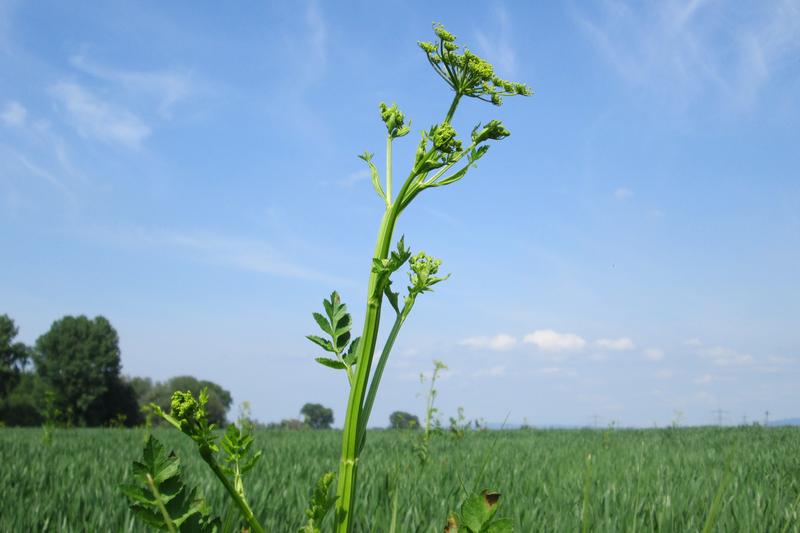
Quick facts
- Watering
- Weekly during dry spells
- Sunlight
- Full sun
- Soil
- Deep, stone-free, well-drained loam
- Humans
- Toxic
- Cats
- Safe
- Dogs
- Safe
- Height
- 30–45 cm
- Spread
- 30–45 cm
- Spacing
- 10–15 cm apart
About Parsnip
Parsnip is a hardy biennial root vegetable grown as an annual, producing long, creamy-white taproots with a sweet, nutty flavour that intensifies after frost. Native to Eurasia, it has been cultivated in Britain since Roman times and remains a staple of traditional British cuisine. UK gardeners prize parsnips for their cold tolerance, long storage life, and essential role in Sunday roasts and winter soups. The plant produces feathery foliage above ground whilst developing its edible root below, making it an excellent choice for productive kitchen gardens throughout the British Isles.
UK fact: Parsnips are traditionally left in the ground until after the first hard frost, as cold temperatures convert starches to sugars, giving British-grown parsnips their characteristic sweet flavour that is central to Christmas dinner traditions across the UK.
Watering Parsnip
Keep soil evenly moist during the critical germination period, which can take up to three weeks in cool conditions. Once established, parsnips are relatively drought-tolerant but benefit from weekly watering during prolonged dry spells, particularly in summer. Avoid irregular watering or heavy watering after drought, as fluctuating moisture levels cause roots to split and crack. In typical British summers with regular rainfall, supplementary watering is often unnecessary except during extended dry periods.
Sunlight requirements
Choose an open, sunny position receiving at least six hours of direct sunlight daily for optimal root development. In the UK, south-facing beds are ideal, though parsnips will tolerate light shade in southern regions during the hottest part of summer. Avoid heavily shaded areas, as insufficient light results in small, poorly flavoured roots and increased susceptibility to disease.
Soil and feeding
Prepare a deep bed of light, stone-free soil to at least 45 cm depth, removing all stones and debris that could cause roots to fork. Parsnips thrive in well-drained loam with a pH of 6.0–7.0, and perform poorly in heavy clay or stony ground. Avoid freshly manured soil, which causes excessive foliage growth and forked roots; instead, grow parsnips in ground manured for a previous crop. On heavy soils, consider growing shorter varieties or creating raised beds filled with sieved topsoil and sharp sand to improve drainage and root penetration.
Avoid adding fresh manure or high-nitrogen fertilisers, which promote excessive leaf growth at the expense of root development and cause forking. If soil is poor, apply a general-purpose fertiliser such as Growmore at 70g per square metre before sowing. No further feeding is typically necessary during the growing season for parsnips in reasonably fertile soil.
Pruning Parsnip
Parsnips grown as annuals require no pruning or maintenance beyond weeding. If any plants bolt and produce flower stems during the first season (usually due to stress or cold periods after sowing), remove these immediately, though the roots will likely be woody and inedible. Allow foliage to grow naturally throughout the season, as healthy leaves are essential for root development. Cut back foliage to ground level only when harvesting roots, or leave it in place if overwintering crops in situ for frost sweetening.
Propagating Parsnip
Sow fresh seed directly into prepared ground from late February through May, as parsnip seed loses viability quickly and old seed germinates poorly. Seeds require soil temperatures of at least 7°C to germinate, which can take two to three weeks in cool spring conditions. Parsnips cannot be transplanted or started in modules, as any disturbance to the developing taproot causes forking and deformity. For the sweetest flavour, time sowings so roots mature and can be frosted before harvest, typically from October onwards.
Common problems
Parsnip canker, caused by various fungal pathogens, is the most serious disease, creating orange-brown lesions on roots, particularly in wet conditions or damaged roots; grow resistant varieties and avoid root damage during cultivation. Carrot fly larvae tunnel into roots, causing rusty-brown tunnels and making crops inedible; protect with fine mesh barriers or fleece from sowing until harvest. Parsnip sap contains chemicals that cause phytophotodermatitis, producing painful blisters on skin exposed to sunlight after contact with foliage; always wear long sleeves and gloves when handling plants in sunny weather. Forked or fanged roots result from stony soil, fresh manure, or root disturbance, so prepare deep, stone-free beds and sow directly rather than transplanting.
Spot a problem with your plant? Photograph the affected area using the Loam app and it will suggest the most likely cause and treatment.
Safety
- Humans
-
Toxic
Parsnip foliage and sap contain furanocoumarins that cause phytophotodermatitis, resulting in painful blisters and burns when skin contacts sap then is exposed to sunlight. Always wear gloves and long sleeves when handling plants. Roots are safe to eat when cooked.
- Cats
- Safe
- Dogs
- Safe
Toxicity information is for general guidance only. If a person has been exposed to this plant and you are concerned, seek advice from a medical professional.
Seasonal care calendar
Monthly care guide for Parsnip in the UK, based on average conditions.
| Month | Care tasks |
|---|---|
| January | Harvest overwintered roots as needed. Plan crop rotation and order fresh seed for spring sowing. |
| February | Prepare deep seedbeds by digging and removing stones. Sow first crops outdoors from late February in milder regions when soil reaches 7°C. |
| March | Main sowing period throughout March. Protect sowings with cloches or fleece to warm soil and speed germination. Harvest any remaining overwintered roots before they restart growth. |
| April | Continue sowing until mid-April. Thin early sowings to final spacing. Keep seedbeds weed-free and protect from carrot fly with fine mesh barriers. |
| May | Final sowings by early May for late crops. Thin all sowings to 10–15 cm spacing. Water during dry spells and maintain weed-free conditions. |
| June | Keep crops weed-free by regular hoeing. Water during prolonged dry periods. Mulch between rows to conserve moisture and suppress weeds. |
| July | Continue weeding and water only during extended dry spells. Monitor for signs of canker or pest damage. |
| August | Maintain weed control. Reduce watering as roots mature. Check for carrot fly damage and canker symptoms. |
| September | Early varieties may be ready for harvest from late September, though flavour improves after frost. Continue light weeding. |
| October | Begin harvesting after first frosts for sweetest flavour. Lift roots carefully with a fork to avoid damage. Store in boxes of sand or leave in ground. |
| November | Continue harvesting as needed. In cold areas, lift and store roots before ground freezes hard, or protect in situ with straw mulch. |
| December | Harvest roots as required for winter meals. Ensure stored roots remain cool and check regularly for deterioration. |
Frequently asked questions
- When should I sow parsnip seeds in the UK?
- Sow parsnip seeds directly outdoors from late February to May, once soil temperatures reach at least 7°C. Earlier sowings benefit from cloche protection to warm the soil. Seeds can take up to three weeks to germinate in cool conditions, so be patient and keep the soil consistently moist. Always use fresh seed purchased that season, as parsnip seed loses viability rapidly.
- How do I know if my parsnips have a disease or pest problem?
- Common parsnip problems include canker (brown or black lesions on roots), forked or deformed roots, and carrot fly damage (rusty tunnels in roots). Identifying the specific issue early is crucial for effective treatment. The Loam app can help diagnose problems from photos, provide personalised care advice based on your growing conditions, and send timely reminders for preventative measures like applying mesh barriers or checking soil moisture.
- What type of soil do parsnips need to grow well?
- Parsnips require deep, stone-free, well-drained soil to at least 45 cm depth to develop long, straight roots. They prefer a neutral to slightly alkaline pH (6.5-7.5). Avoid freshly manured ground, which causes forking; instead, grow on ground manured for a previous crop. Heavy clay soils should be improved with sharp sand and organic matter, or consider growing shorter varieties that tolerate less-than-ideal conditions.
Got a question about growing Parsnip that isn't covered here? Ask the Garden Advisor in the Loam app. It knows your saved plants and local conditions.
Related plants
This page was compiled with AI assistance and reviewed by our team. .