Celeriac
Apium graveolens var. rapaceum
Vegetables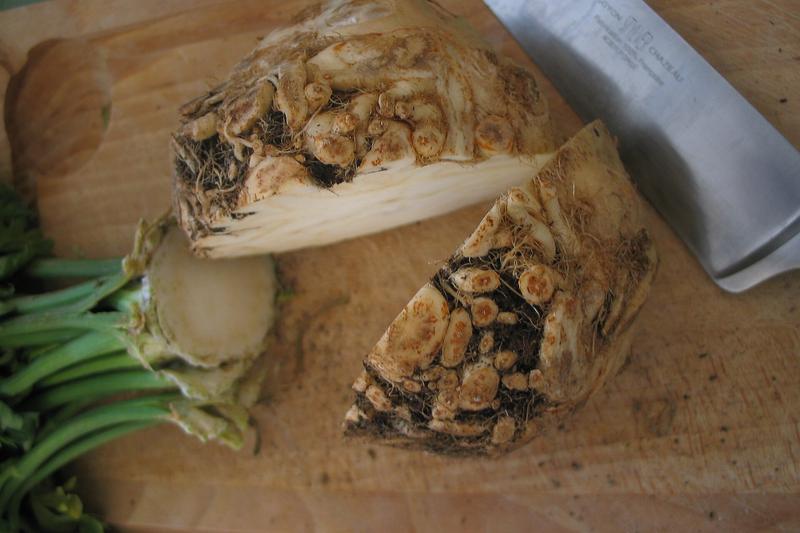
Quick facts
- Watering
- Weekly, more in dry spells
- Sunlight
- Full sun to partial shade
- Soil
- Rich, moisture-retentive, well-drained
- Humans
- Safe
- Cats
- Safe
- Dogs
- Safe
- Height
- 30–45 cm
- Spread
- 30–40 cm
- Spacing
- 30–35 cm apart
About Celeriac
Celeriac is a hardy root vegetable grown for its swollen, knobbly base rather than its stalks, producing a bulbous root with nutty, celery-flavoured flesh. Originating from the Mediterranean region, this variety of wild celery has been cultivated in Europe since the 17th century and thrives in the UK's cool, moist climate. British gardeners prize celeriac for its versatility in winter soups, gratins and remoulade, providing fresh harvests from October through to March when few other vegetables are available. The plant forms a rosette of dark green celery-like leaves above ground whilst developing its edible root below.
UK fact: Celeriac was popularised in British kitchen gardens during the Victorian era and remains a staple of allotment culture, particularly valued for its exceptional frost tolerance which actually improves flavour after the first frosts of autumn.
Watering Celeriac
Water celeriac deeply once or twice weekly during the growing season, increasing frequency during dry spells to prevent stress. The long growing season from spring to autumn demands consistent moisture, particularly from July onwards when roots are swelling. Apply 20-30 litres per square metre weekly during dry periods, using mulch to retain moisture. Avoid waterlogging, which encourages root rot, but never allow the soil to dry out completely as this results in tough, fibrous roots and premature bolting.
Sunlight requirements
Position celeriac in a sunny, open site that receives at least six hours of direct sunlight daily for optimal root development. In warmer southern counties, afternoon shade can prevent bolting during hot spells. Avoid deeply shaded positions under trees or north-facing walls, as insufficient light results in poor root formation and increased disease susceptibility.
Soil and feeding
Prepare beds with generous amounts of well-rotted manure or compost dug in during winter, as celeriac is a hungry crop requiring rich, moisture-retentive conditions. The ideal soil is a deep, fertile loam with excellent drainage to prevent waterlogging whilst retaining consistent moisture throughout summer. Aim for a pH between 6.5 and 7.5; acidic soils below pH 6.0 increase the risk of nutrient deficiencies. On heavy clay, incorporate sharp sand and organic matter to improve structure, whilst sandy soils benefit from extra compost to boost water retention.
Apply a general-purpose granular fertiliser such as Growmore at 70g per square metre before planting. From mid-July through to September, feed every two weeks with a high-potash liquid tomato feed diluted to half strength to encourage root swelling without promoting excessive leaf growth. Avoid high-nitrogen feeds after midsummer as these produce lush foliage at the expense of root quality.
Pruning Celeriac
Regularly remove yellowing or damaged outer leaves from July onwards to improve air circulation and reduce slug damage. Carefully trim away lateral shoots and small rootlets that develop on the sides of the main root from August, which helps produce a cleaner, more rounded bulb. Avoid removing too much healthy foliage at once, as leaves are needed for photosynthesis. In late September, you may remove some lower leaves to expose the crown slightly, which can improve root size and make harvesting easier.
Propagating Celeriac
Sow seeds in modules or trays under cover from late February to early April, as celeriac needs warmth to germinate and a lengthy growing period before harvest. Seeds are tiny and slow to germinate, taking 2-3 weeks at 15-18°C, so patience is essential. Transplant seedlings outdoors in late May or early June after hardening off, once all risk of frost has passed. Direct sowing outdoors is not recommended in the UK due to our short growing season and the crop's sensitivity to cold when young.
Common problems
Celeriac is susceptible to celery leaf spot, a fungal disease causing brown spots on foliage that can severely weaken plants; prevent by avoiding overhead watering and ensuring good spacing for air circulation. Slugs and snails are particularly troublesome, attacking young transplants and mature roots, so use organic pellets or beer traps from planting onwards. Carrot root fly can also damage roots, though less commonly than on carrots; protect with fine mesh barriers or fleece if this pest is prevalent in your area. Bolting can occur if young plants experience cold temperatures below 10°C for extended periods, so avoid planting out too early and protect with fleece during late spring cold snaps.
Spot a problem with your plant? Photograph the affected area using the Loam app and it will suggest the most likely cause and treatment.
Safety
- Humans
- Safe
- Cats
- Safe
- Dogs
- Safe
Toxicity information is for general guidance only.
Seasonal care calendar
Monthly care guide for Celeriac in the UK, based on average conditions.
| Month | Care tasks |
|---|---|
| January | Order seeds from catalogues. Prepare planting beds by incorporating well-rotted manure or compost. |
| February | Sow seeds indoors in modules or trays from late February onwards. Maintain at 15-18°C for germination. |
| March | Continue sowing until early March. Prick out seedlings into individual pots when large enough to handle. |
| April | Grow on young plants under cover. Apply general fertiliser to prepared beds. Begin hardening off plants from mid-April. |
| May | Complete hardening off. Plant out from late May after last frosts. Water regularly and protect from slugs. |
| June | Finish planting out by mid-June. Keep well watered and weed-free. Apply mulch to retain moisture. |
| July | Water deeply during dry spells. Begin fortnightly liquid feeding. Remove yellowing outer leaves and side shoots. |
| August | Continue watering and feeding. Trim lateral roots to improve bulb shape. Monitor for pests and diseases. |
| September | Maintain watering and feeding regime. Remove lower leaves to expose crowns slightly. Continue trimming side roots. |
| October | Begin harvesting from mid-October onwards. Roots improve in flavour after first frosts. Lift as needed or mulch heavily for winter storage in situ. |
| November | Continue harvesting. In cold areas, lift remaining roots and store in boxes of sand in a frost-free shed. |
| December | Harvest remaining roots before hard frosts in very cold regions. Check stored roots and remove any showing signs of rot. |
Frequently asked questions
- How do I prepare soil for planting celeriac?
- Prepare soil in autumn or early spring by digging in plenty of well-rotted manure or garden compost—at least one bucketful per square metre. Celeriac thrives in moisture-retentive, fertile soil with a pH of 6.0-7.0. The planting site should be in full sun with good drainage. Rake in a general-purpose fertiliser two weeks before transplanting. Avoid freshly manured ground as this can cause forking of the roots.
- Why are my celeriac leaves turning yellow?
- Yellowing leaves can indicate several issues: nitrogen deficiency from poor soil, inconsistent watering causing stress, or pest problems like celery fly larvae mining through the foliage. Check soil moisture levels and feed with a balanced liquid fertiliser. Inspect leaves carefully for tunnelling patterns or other damage. The Loam app can help diagnose the specific cause through photo analysis and provide personalised treatment recommendations based on your growing conditions.
- Do I need to feed celeriac during the growing season?
- Yes, celeriac is a hungry crop requiring regular feeding throughout its long growing season. Apply a nitrogen-rich liquid feed every two weeks from June until late August to support leafy growth, then switch to a balanced fertiliser in September to encourage root development. Alternatively, side-dress with pelleted chicken manure in midsummer. Consistent feeding combined with adequate watering is essential for developing large, tender roots rather than small, woody ones.
Got a question about growing Celeriac that isn't covered here? Ask the Garden Advisor in the Loam app. It knows your saved plants and local conditions.
Related plants
This page was compiled with AI assistance and reviewed by our team. .