Radish
Raphanus sativus
Vegetables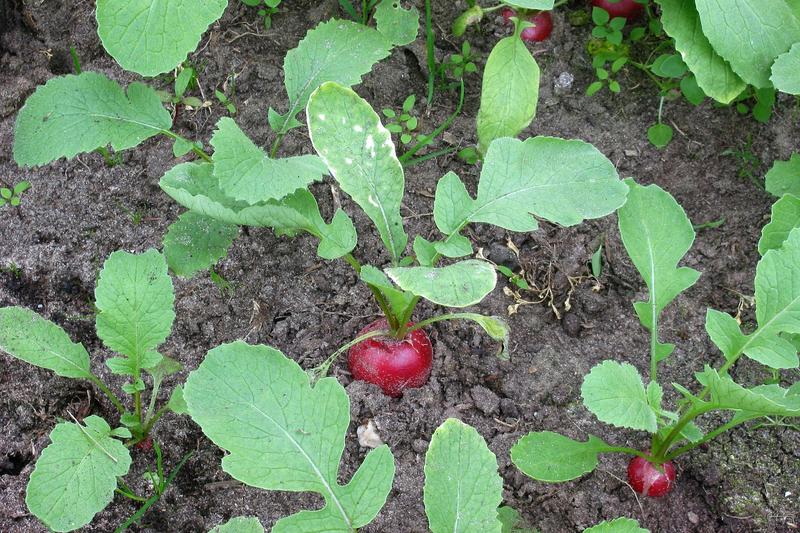
Quick facts
- Watering
- Every 2-3 days in dry weather
- Sunlight
- Full sun to partial shade
- Soil
- Light, well-drained, moisture-retentive
- Humans
- Safe
- Cats
- Safe
- Dogs
- Safe
- Height
- 15–30 cm
- Spread
- 5–10 cm
- Spacing
- 2–5 cm apart
About Radish
Radish is a fast-growing root vegetable producing crisp, peppery roots in shades of red, white, pink, or purple, with edible green foliage above ground. Originating from Southeast Asia, radishes have been cultivated for thousands of years and were introduced to Britain by the Romans. UK gardeners prize radishes for their speed—ready to harvest in as little as three to four weeks—making them ideal for succession planting, intercropping, and introducing children to vegetable growing. Their compact size suits containers, raised beds, and small gardens perfectly.
UK fact: Radishes were traditionally grown in Victorian kitchen gardens as a 'catch crop' between slower-growing vegetables, and the RHS recommends them as one of the easiest vegetables for beginners to grow successfully in British conditions.
Watering Radish
Water radishes regularly to maintain evenly moist soil, particularly during dry spells, as irregular watering causes roots to split or become pithy and excessively hot. In typical British spring and autumn weather, rainfall may suffice, but check soil moisture every few days. During dry periods, water every 2-3 days, providing approximately 2.5 cm of water per week. Mulching with a thin layer of compost helps retain moisture and keeps roots cool.
Sunlight requirements
Position radishes in full sun for the fastest growth and best flavour, though they'll tolerate partial shade especially in midsummer. In the UK, a south-facing or west-facing bed is ideal for spring and autumn crops. During the hottest weeks of July and August, light afternoon shade can help prevent premature flowering and keep roots tender.
Soil and feeding
Grow radishes in light, fertile soil that's been well-cultivated to at least 15-20 cm depth, removing stones that can cause forked or misshapen roots. They prefer a slightly acidic to neutral pH of 6.0-7.0. Heavy clay soils should be improved with sharp sand and organic matter, or grow radishes in raised beds or containers filled with multipurpose compost. Avoid freshly manured ground, which can cause excessive leaf growth at the expense of root development and may lead to forking.
In average garden soil, radishes need no additional feeding during their short growing period. If soil is particularly poor, incorporate a general-purpose fertiliser or well-rotted compost before sowing rather than feeding during growth. Avoid high-nitrogen fertilisers, which produce lush foliage but small, disappointing roots.
Pruning Radish
Thin seedlings to 2.5-5 cm apart once they develop their first true leaves, typically 7-10 days after germination. Overcrowded radishes produce only leaves and fail to form proper roots. Remove the weakest seedlings by snipping at soil level rather than pulling, which can disturb neighbouring roots. The thinned seedlings can be added to salads as microgreens. No other pruning or maintenance is required.
Propagating Radish
Sow radish seeds directly into prepared soil from March through September for continuous harvests, with sowings every 2-3 weeks for succession. Seeds germinate quickly in temperatures above 7°C, typically sprouting within 5-7 days. Avoid sowing in the hottest part of summer (late June to early July) as high temperatures cause bolting. Winter radish varieties, such as mooli types, should be sown in July or August for autumn and winter harvest.
Common problems
Flea beetles are the most common pest, creating small holes in leaves, particularly on young plants; cover crops with horticultural fleece or fine mesh to exclude them. Slugs and snails may damage seedlings and roots, especially in damp conditions—use organic pellets or beer traps for control. Radishes may bolt (run to seed prematurely) if sown during hot weather, exposed to drought stress, or left in the ground too long; sow little and often, maintain consistent moisture, and harvest promptly. Club root can affect radishes in acidic soils previously used for brassicas; improve drainage, lime soil to raise pH, and practise crop rotation.
Spot a problem with your plant? Photograph the affected area using the Loam app and it will suggest the most likely cause and treatment.
Safety
- Humans
- Safe
- Cats
- Safe
- Dogs
- Safe
Toxicity information is for general guidance only.
Seasonal care calendar
Monthly care guide for Radish in the UK, based on average conditions.
| Month | Care tasks |
|---|---|
| January | No outdoor sowing. Plan crop rotation and order seeds for spring sowing. |
| February | Sow early varieties under cloches or in cold frames in mild regions from late February. |
| March | Begin outdoor sowings of summer radish varieties. Sow every 2-3 weeks for succession. |
| April | Continue succession sowings. Thin earlier sowings to proper spacing. Harvest first crops sown under protection. |
| May | Maintain succession sowings every 2-3 weeks. Water regularly in dry spells. Harvest spring-sown crops. |
| June | Continue sowings in early June, then pause during hottest weather. Keep soil moist to prevent bolting. Harvest regularly. |
| July | Sow winter radish varieties (mooli types) from mid-July. Resume summer radish sowings late in month as temperatures moderate. |
| August | Continue sowings of both summer and winter varieties. Water consistently. Harvest summer crops promptly. |
| September | Final sowings of fast-maturing summer varieties early in month. Harvest winter radish varieties as they mature. |
| October | Harvest remaining summer radishes before first frosts. Continue harvesting winter varieties, which tolerate light frost. |
| November | Harvest winter radish varieties. Protect late crops with fleece in cold regions. |
| December | Harvest any remaining winter radishes. Clear spent plants and add to compost. |
Frequently asked questions
- How do I prevent radishes from becoming woody and too hot?
- Harvest radishes promptly as soon as they reach usable size, typically 3-6 weeks after sowing. Maintain consistent soil moisture throughout growth, as drought stress causes woody, excessively pungent roots. Don't leave them in the ground too long hoping they'll grow larger.
- What are the small holes in my radish leaves?
- Flea beetles cause these characteristic small holes, particularly on young plants. Cover crops with horticultural fleece or fine mesh immediately after sowing to exclude the beetles. Keep plants well-watered as vigorous growth helps them outgrow damage. The roots remain perfectly edible despite leaf damage. If you're unsure about pest identification or damage severity, the Loam app can help diagnose problems from photos and provide personalised treatment advice.
- What type of soil do radishes need?
- Radishes prefer light, well-drained soil with plenty of organic matter worked in several weeks before sowing. They thrive in slightly acidic to neutral soil (pH 6.0-7.0). Avoid heavy clay that can cause misshapen roots, and stony soil which leads to forked or split radishes. If your soil is heavy, grow in raised beds or containers with multipurpose compost instead.
Got a question about growing Radish that isn't covered here? Ask the Garden Advisor in the Loam app. It knows your saved plants and local conditions.
Related plants
This page was compiled with AI assistance and reviewed by our team. .