Turnip
Brassica rapa subsp. rapa
Vegetables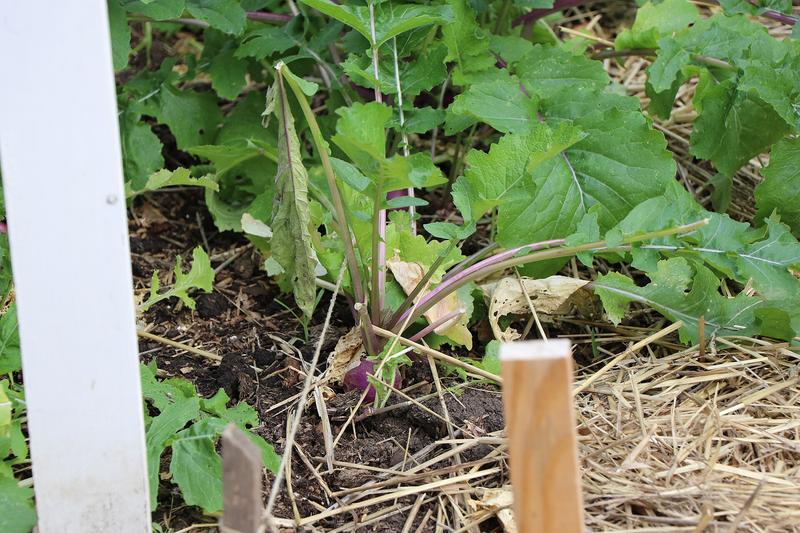
Quick facts
- Watering
- Weekly, more in dry spells
- Sunlight
- Full sun to partial shade
- Soil
- Fertile, well-drained, moisture-retentive
- Humans
- Safe
- Cats
- Safe
- Dogs
- Safe
- Height
- 20–40 cm
- Spread
- 15–25 cm
- Spacing
- 15–20 cm apart
About Turnip
Turnip is a fast-growing root vegetable with white or purple-tinged globular roots and edible leafy tops. Originating from Europe and Asia, this hardy brassica has been cultivated in British gardens for centuries, valued for both its sweet, peppery roots and nutritious greens. UK gardeners prize turnips for their versatility in the kitchen, quick maturity, and ability to thrive in cooler climates. The roots are excellent roasted, mashed, or added to stews, whilst the young leaves make a flavourful addition to salads.
UK fact: Turnips have been a staple of British agriculture since medieval times and were traditionally carved as lanterns for Halloween before pumpkins became popular, particularly in Scotland and Ireland where the practice originated.
Watering Turnip
Water turnips regularly, providing approximately 2.5 cm of water per week through rainfall or irrigation. During dry spells, increase watering frequency to twice weekly, as irregular moisture causes roots to split or become tough and fibrous. Mulching around plants helps retain soil moisture and keeps roots cool during warmer periods. Young seedlings require particular attention until established, whilst maturing roots benefit from steady moisture to develop their characteristic sweet flavour.
Sunlight requirements
Position turnips in a spot receiving at least 4-6 hours of direct sunlight daily for optimal root development. In southern UK gardens, partial afternoon shade during July and August can help prevent premature flowering. North-facing beds with good light are suitable, making turnips an excellent choice for less sunny allotments.
Soil and feeding
Grow turnips in well-cultivated soil enriched with well-rotted compost or manure from a previous crop, as fresh manure causes forking and poor root development. The ideal pH range is 6.0-7.5, with slightly alkaline conditions helping to prevent clubroot disease. Light, sandy loams produce the best-shaped roots, whilst heavy clay soils should be improved with organic matter and sharp sand to ensure good drainage. Remove stones and break up compacted soil to at least 30 cm depth to allow unrestricted root growth.
Apply a balanced general-purpose fertiliser at planting if soil has not been recently enriched, using approximately 70g per square metre. Avoid high-nitrogen feeds which promote excessive leaf growth at the expense of root development. A light top-dressing of nitrogen-rich fertiliser can be applied if growing primarily for turnip tops rather than roots.
Pruning Turnip
Thin seedlings to the recommended spacing of 15-20 cm when they reach 2-3 cm tall, using the thinnings in salads. Remove any yellowing or damaged outer leaves throughout the growing season to improve air circulation and reduce disease risk. If growing for turnip tops, harvest outer leaves regularly whilst leaving the central growing point intact to encourage continued production. Pull and compost any plants that bolt prematurely to prevent them setting seed and self-sowing.
Propagating Turnip
Sow turnip seeds directly outdoors from March through July for successive harvests, with early sowings under cloches if soil conditions allow. Create shallow drills 1.5 cm deep and 30 cm apart, sowing seeds thinly to reduce the need for extensive thinning later. Germination occurs within 7-10 days in soil temperatures above 7°C, with optimal germination at 15-20°C. For autumn and winter crops, sow hardy varieties in August and September, providing protection with fleece or cloches as temperatures drop.
Common problems
Turnips are susceptible to flea beetle, which creates small holes in young leaves and can severely damage or kill seedlings; covering crops with fleece from sowing prevents this common problem. Cabbage root fly larvae tunnel into roots causing wilting and rot, whilst clubroot disease causes swollen, distorted roots and stunted growth in acidic or poorly drained soils. Aphids may colonise leaves during warm weather, and powdery mildew can affect foliage in dry conditions. Bolting (premature flowering) occurs when plants experience stress from drought, overcrowding, or unseasonably warm weather, rendering roots woody and inedible.
Spot a problem with your plant? Photograph the affected area using the Loam app and it will suggest the most likely cause and treatment.
Safety
- Humans
- Safe
- Cats
- Safe
- Dogs
- Safe
Toxicity information is for general guidance only.
Seasonal care calendar
Monthly care guide for Turnip in the UK, based on average conditions.
| Month | Care tasks |
|---|---|
| January | No action needed. Plan crop rotation and order seeds for spring sowing. |
| February | Prepare beds by incorporating well-rotted compost. Sow early varieties under cloches in mild regions from late February. |
| March | Begin outdoor sowings of early varieties from mid-March. Protect with fleece against flea beetle and late frosts. |
| April | Continue successive sowings every 2-3 weeks. Thin earlier sowings to final spacing and maintain consistent watering. |
| May | Sow maincrop varieties. Water regularly during dry spells and monitor for flea beetle damage. Begin harvesting early sowings. |
| June | Continue successive sowings until mid-month. Harvest roots when golf-ball sized for best flavour. Water consistently to prevent splitting. |
| July | Make final sowings of quick-maturing varieties for autumn harvest. Harvest maincrop as needed and keep well watered in hot weather. |
| August | Sow hardy winter varieties for storage crops. Continue harvesting summer sowings and maintain moisture levels. |
| September | Harvest summer crops before first frosts. Thin autumn sowings and protect with fleece in colder regions. |
| October | Harvest maincrop turnips for storage or leave in ground with straw mulch. Lift and store in boxes of sand in frost-prone areas. |
| November | Continue harvesting winter varieties as needed. Protect remaining crops with fleece or straw mulch against hard frosts. |
| December | Harvest winter turnips as required. Check stored roots and remove any showing signs of rot. |
Frequently asked questions
- How do I prevent flea beetle damage on turnip seedlings?
- Cover rows with horticultural fleece or fine mesh immediately after sowing and keep in place until plants are well established. Water regularly to promote rapid growth, as larger plants tolerate flea beetle damage better than stressed seedlings.
- Why are my turnip leaves yellowing and wilting?
- Yellowing and wilting leaves can indicate several issues including clubroot disease, nutrient deficiency, or inconsistent watering. Check soil pH (turnips prefer 6.0-7.5) and ensure adequate drainage. The Loam app can help diagnose specific problems by analysing photos of affected plants and provide personalised care recommendations based on your growing conditions.
- What soil conditions do turnips need to grow well?
- Turnips thrive in fertile, well-drained soil with a pH of 6.0-7.5. Incorporate well-rotted compost or manure several weeks before sowing, but avoid freshly manured ground which can cause forking. They prefer a firm seedbed, so tread lightly and rake to a fine tilth before sowing. Good soil preparation prevents many common problems including poor germination and misshapen roots.
Got a question about growing Turnip that isn't covered here? Ask the Garden Advisor in the Loam app. It knows your saved plants and local conditions.
Related plants
This page was compiled with AI assistance and reviewed by our team. .