Swede
Brassica napus var. napobrassica
Vegetables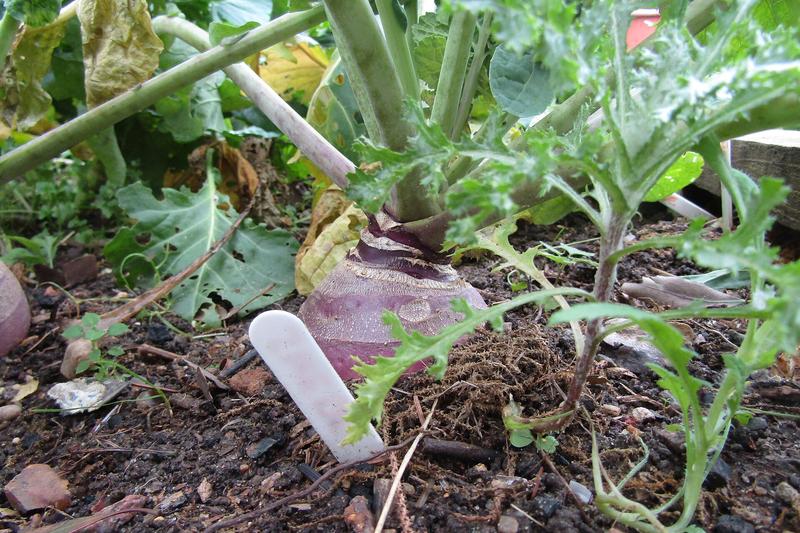
Quick facts
- Watering
- Weekly, more in dry spells
- Sunlight
- Full sun
- Soil
- Fertile, well-drained, neutral to alkaline
- Humans
- Safe
- Cats
- Safe
- Dogs
- Safe
- Height
- 30–45 cm
- Spread
- 30–40 cm
- Spacing
- 23–30 cm apart
About Swede
Swede is a hardy root vegetable producing large, purple-skinned, yellow-fleshed roots with a sweet, earthy flavour. A cross between cabbage and turnip, it originated in Scandinavia in the 17th century and has become a staple of British allotments and kitchen gardens. UK gardeners prize swede for its cold tolerance, long storage life, and versatility in traditional dishes like neeps and tatties. The crop matures slowly over autumn and winter, with frost actually improving the flavour of the roots.
UK fact: Swede became particularly important in Britain during both World Wars as a reliable, storable crop that could be grown through winter when other vegetables were scarce, earning it a permanent place in traditional British cuisine.
Watering Swede
Water swede regularly, providing approximately 2.5 cm of water per week during dry periods. Inconsistent watering causes roots to crack and develop a tough, fibrous texture. In typical UK summers, natural rainfall often suffices, but during dry spells from June to September, water deeply once or twice weekly. Mulching around plants helps retain soil moisture and reduces watering frequency.
Sunlight requirements
Position swede in an open, sunny spot away from shade cast by trees or buildings. In the UK, south-facing beds are ideal, though swede will tolerate light afternoon shade in southern regions. Good light exposure ensures strong leaf growth which feeds the developing root below ground.
Soil and feeding
Prepare beds with well-rotted compost or manure several months before sowing, as freshly manured soil can cause roots to fork. Swede prefers a firm seedbed, so avoid over-cultivating; tread lightly after digging to consolidate the soil. The ideal pH is 6.5–7.5; lime acidic soils to reduce the risk of clubroot disease. Heavy clay soils benefit from added organic matter and grit to improve drainage, whilst sandy soils need extra compost to retain moisture.
Incorporate a general-purpose fertiliser such as Growmore or blood, fish and bone into the soil before sowing at approximately 70g per square metre. Avoid high-nitrogen feeds which promote leafy growth at the expense of root development. In poor soils, a light top-dressing of sulphate of potash in midsummer can improve root quality.
Pruning Swede
Swede requires minimal pruning, but removing damaged or yellowing lower leaves improves air circulation and reduces disease risk. Trim off any flower stems that appear prematurely, as bolting diverts energy from root development and makes roots woody. When harvesting, twist off the leafy tops just above the crown and compost them. Leave a small portion of stem attached to the root if storing, as this helps prevent moisture loss.
Propagating Swede
Sow swede seeds directly into prepared beds between late May and early July; earlier sowings often bolt in warm weather. Create shallow drills 1.5 cm deep and 38 cm apart, watering the drill base before sowing if soil is dry. Sow seeds thinly, approximately 2.5 cm apart, then cover lightly with soil. Germination typically occurs within 7–14 days in soil temperatures above 7°C.
Common problems
Swede is susceptible to clubroot, a soil-borne disease causing swollen, distorted roots; prevent it by liming acidic soils and practising crop rotation with a minimum four-year gap between brassicas. Flea beetles create small holes in young leaves but rarely cause serious damage; protect seedlings with fleece or mesh. Cabbage root fly larvae tunnel into roots, causing wilting and decay; use collars around plant stems or grow under mesh. Powdery mildew may appear on leaves in dry conditions but doesn't usually affect root quality; ensure consistent watering and adequate spacing to improve air circulation.
Spot a problem with your plant? Photograph the affected area using the Loam app and it will suggest the most likely cause and treatment.
Safety
- Humans
- Safe
- Cats
- Safe
- Dogs
- Safe
Toxicity information is for general guidance only.
Seasonal care calendar
Monthly care guide for Swede in the UK, based on average conditions.
| Month | Care tasks |
|---|---|
| January | Harvest remaining swedes from the ground as needed. Check stored roots and remove any showing signs of rot. |
| February | Continue harvesting swedes from the ground. Begin preparing beds for spring sowing by incorporating organic matter. |
| March | Harvest the last of winter swedes before they become woody. Prepare and firm seedbeds for late spring sowing. |
| April | Finish bed preparation. Avoid sowing yet as early sowings are prone to bolting in warm weather. |
| May | Sow seeds outdoors from late May onwards in prepared drills. Water drills before sowing if soil is dry. |
| June | Continue sowing until early July for succession crops. Thin May sowings to 10 cm apart. Water during dry spells and weed regularly. |
| July | Complete final sowings by mid-July. Thin all sowings to final spacing of 23–30 cm. Keep well watered and protect from pests. |
| August | Water regularly during dry weather. Weed between rows and apply mulch to conserve moisture. Monitor for pests and diseases. |
| September | Continue watering if dry. Early sowings may be ready for harvesting from late September onwards once roots reach tennis ball size. |
| October | Begin harvesting as needed. Swedes can remain in the ground through winter or be lifted and stored in boxes of sand. |
| November | Harvest swedes as required. Flavour improves after the first frosts. Lift and store some roots before ground freezes hard. |
| December | Continue harvesting from the ground. In severe weather, protect remaining plants with straw or fleece, or lift and store. |
Frequently asked questions
- How do I prevent clubroot in swedes?
- Practise crop rotation with at least a four-year gap between brassicas in the same bed. Lime acidic soils to raise pH above 7.0, improve drainage, and choose resistant varieties where possible. Avoid moving infected soil on tools or boots.
- Why are my swede leaves turning yellow and wilting?
- Yellowing and wilting leaves can indicate several issues including nutrient deficiency, overwatering, pest damage, or disease such as clubroot or downy mildew. Check soil moisture levels and inspect leaf undersides for pests like cabbage root fly or aphids. The Loam app can help you diagnose the specific problem by analysing photos of affected plants and provide personalised treatment recommendations.
- What soil conditions do swedes need to grow well?
- Swedes thrive in firm, fertile, well-drained soil with a pH of 6.5–7.5. Prepare beds in autumn by incorporating well-rotted manure or compost, then allow soil to settle over winter. Avoid freshly manured ground as this can cause forking. The soil should retain moisture without becoming waterlogged, so add organic matter to light sandy soils and grit to heavy clay.
Got a question about growing Swede that isn't covered here? Ask the Garden Advisor in the Loam app. It knows your saved plants and local conditions.
Related plants
This page was compiled with AI assistance and reviewed by our team. .