Perpetual Spinach
Beta vulgaris subsp. vulgaris
Vegetables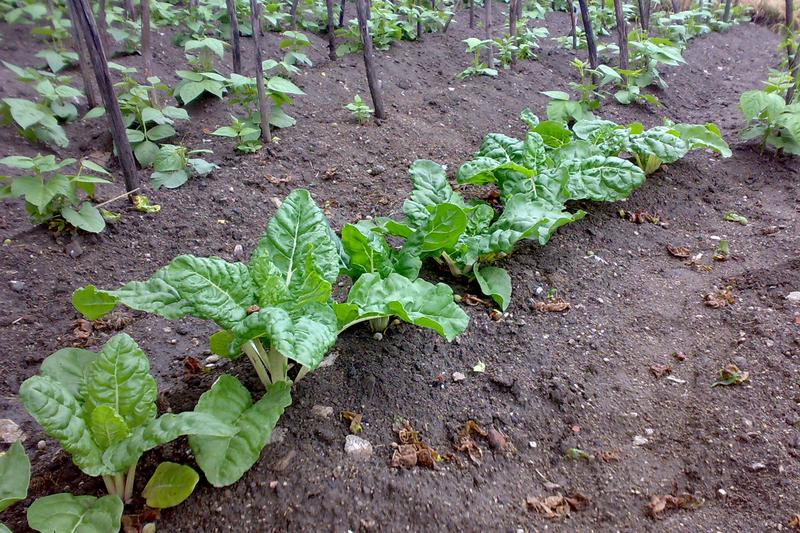
Quick facts
- Watering
- Weekly, more in hot weather
- Sunlight
- Full sun to partial shade
- Soil
- Rich, moisture-retentive, well-drained
- Humans
- Safe
- Cats
- Safe
- Dogs
- Safe
- Height
- 30–45 cm
- Spread
- 30–40 cm
- Spacing
- 30–38 cm apart
About Perpetual Spinach
Perpetual spinach is a hardy leaf beet closely related to chard, producing large, glossy green leaves with a mild flavour throughout the growing season. Native to the Mediterranean region, it has been cultivated in British kitchen gardens for centuries as a reliable alternative to true spinach. UK gardeners favour it for its exceptional tolerance of both heat and cold, making it one of the most dependable leafy greens for year-round harvesting. Unlike true spinach, it rarely bolts in summer and continues producing fresh leaves even through mild winters.
UK fact: Perpetual spinach thrived in British Victory Gardens during the Second World War, valued for its ability to produce nutritious leaves continuously without the need for successive sowings, making it an essential crop when food supplies were rationed.
Watering Perpetual Spinach
Keep the soil consistently moist but not waterlogged, watering deeply once or twice weekly during dry periods. During hot summer weather, increase watering frequency to prevent the leaves from becoming tough or bitter. Mulching around plants with compost or well-rotted manure helps retain moisture and reduces watering needs. In typical British summers with regular rainfall, supplementary watering may only be needed during prolonged dry spells, but container-grown plants require more frequent attention.
Sunlight requirements
Perpetual spinach performs best in full sun during spring and autumn, but benefits from light afternoon shade during hot UK summers to prevent stress and maintain tender leaf growth. In northern regions and Scotland, full sun positions are ideal throughout the season. South-facing beds are perfect, though east or west-facing positions with 4-6 hours of direct sunlight also produce excellent crops.
Soil and feeding
Perpetual spinach thrives in rich, moisture-retentive soil with plenty of organic matter worked in before planting. It tolerates a wide range of soil types but performs best in neutral to slightly alkaline conditions with a pH of 6.5-7.5. Heavy clay soils benefit from the addition of compost or well-rotted manure to improve drainage, whilst sandy soils need extra organic matter to retain moisture. Avoid very acidic soils, which can lead to nutrient deficiencies and poor growth.
Feed every 4-6 weeks with a balanced liquid fertiliser or apply a nitrogen-rich organic feed such as blood, fish and bone or pelleted chicken manure. A spring mulch of well-rotted compost or manure provides slow-release nutrients throughout the season. Avoid over-feeding with high-nitrogen fertilisers late in the season, as this can reduce cold hardiness.
Pruning Perpetual Spinach
Pick outer leaves regularly once plants reach 15-20 cm tall, taking 3-4 leaves per plant at a time and always leaving the central growing point intact. This cut-and-come-again harvesting method encourages fresh growth and extends the productive period for many months. Remove any yellowing, damaged, or slug-eaten leaves promptly to maintain plant health and vigour. If plants begin to bolt in hot weather, remove flower stems immediately to redirect energy back into leaf production.
Propagating Perpetual Spinach
Perpetual spinach is propagated exclusively from seed, which can be sown directly into prepared soil or started in modules for transplanting. Seeds are actually clusters containing several seeds, so seedlings often emerge in groups and require thinning. Sow successionally every 3-4 weeks from spring to midsummer for continuous harvests, or make a single sowing in late spring for year-round picking. Seeds germinate reliably in cool conditions, making early sowings under cloches or in cold frames very successful.
Common problems
Perpetual spinach is relatively trouble-free but can suffer from leaf miner, which creates distinctive pale tunnels in the foliage; remove and destroy affected leaves promptly. Slugs and snails can damage young plants, particularly in wet weather, so use organic controls such as copper tape or beer traps. Bolting can occur during hot, dry conditions or if plants experience stress, though perpetual spinach is far more bolt-resistant than true spinach. Downy mildew may appear as yellow patches on leaves during prolonged damp weather; improve air circulation and avoid overhead watering to reduce risk.
Spot a problem with your plant? Photograph the affected area using the Loam app and it will suggest the most likely cause and treatment.
Safety
- Humans
- Safe
- Cats
- Safe
- Dogs
- Safe
Toxicity information is for general guidance only.
Seasonal care calendar
Monthly care guide for Perpetual Spinach in the UK, based on average conditions.
| Month | Care tasks |
|---|---|
| January | Harvest leaves from overwintered plants as needed. Protect with cloches in severe weather. |
| February | Sow seeds in modules under cover for early crops. Continue harvesting established plants. |
| March | Begin outdoor sowings under cloches. Transplant February-sown seedlings. Harvest overwintered plants. |
| April | Sow seeds directly outdoors. Thin earlier sowings. Begin regular feeding and watering as growth accelerates. |
| May | Continue successional sowings. Harvest outer leaves from spring-sown plants. Water regularly during dry spells. |
| June | Make final sowings for autumn and winter crops. Harvest regularly and feed monthly. Mulch to retain moisture. |
| July | Harvest leaves regularly to encourage production. Water frequently in hot weather. Remove any bolting stems. |
| August | Continue harvesting and watering. Thin late sowings. Remove yellowing leaves to maintain plant health. |
| September | Harvest leaves from summer sowings. Reduce feeding as growth slows. Clear any bolted plants. |
| October | Continue harvesting. Late-sown plants will provide winter leaves. Reduce watering as temperatures drop. |
| November | Harvest leaves as needed. Protect plants with cloches or fleece in cold regions for continued winter production. |
| December | Pick leaves sparingly from overwintering plants. Ensure protection is in place during frosty weather. |
Frequently asked questions
- How do I know when to harvest perpetual spinach leaves?
- Harvest outer leaves once plants reach 15-20 cm tall, taking 3-4 leaves per plant every week or two. Pick leaves when they're young and tender, before they become tough or bitter. Always leave the central growing point intact to ensure continuous production. Regular picking encourages fresh, tender growth throughout the season.
- Why are my perpetual spinach leaves turning yellow?
- Yellow leaves can indicate several issues: nitrogen deficiency, overwatering, underwatering, or pest problems. Check soil moisture levels and feed with a balanced liquid fertiliser if plants look pale. The Loam app can help diagnose the specific cause by analysing photos of your plant and tracking your watering schedule, then provide personalised care recommendations to get your perpetual spinach back to health.
- What soil does perpetual spinach need?
- Perpetual spinach thrives in fertile, moisture-retentive soil with plenty of organic matter. It prefers a slightly alkaline to neutral pH (6.5-7.5) and benefits from soil enriched with well-rotted compost or manure before planting. Good drainage is essential to prevent root rot, but the soil should retain enough moisture to support the large leaves during dry spells.
Got a question about growing Perpetual Spinach that isn't covered here? Ask the Garden Advisor in the Loam app. It knows your saved plants and local conditions.
Related plants
This page was compiled with AI assistance and reviewed by our team. .