ZZ Plant
Zamioculcas zamiifolia
Houseplants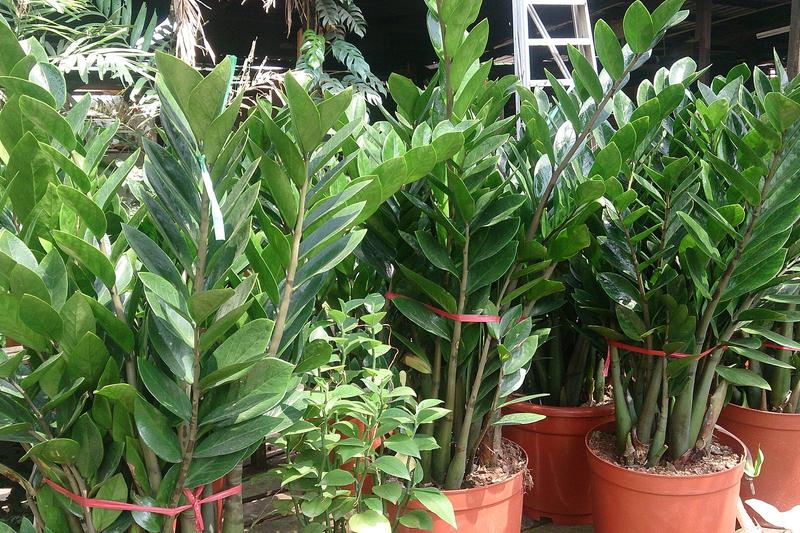
Quick facts
- Watering
- Fortnightly, less in winter
- Sunlight
- Bright indirect to low light
- Soil
- Well-drained, gritty houseplant compost
- Humans
- Toxic
- Cats
- Toxic
- Dogs
- Toxic
- Height
- 45–90 cm
- Spread
- 40–60 cm
- Spacing
- 0 cm apart
- RHS recognition
- Award of Garden Merit
About ZZ Plant
The ZZ Plant is a striking evergreen houseplant native to eastern Africa, prized for its glossy, dark green pinnate leaves that emerge from thick rhizomes. Its architectural form and exceptional tolerance of neglect have made it one of the most popular houseplants amongst British gardeners since the early 2000s. The plant's ability to thrive in low light and withstand irregular watering makes it ideal for UK homes and offices, particularly those with north-facing windows or limited natural light.
UK fact: The ZZ Plant was awarded the Royal Horticultural Society's Award of Garden Merit (H1c) in 2019, recognising its outstanding performance as a houseplant in British conditions and its exceptional tolerance of the dry air created by central heating systems common in UK homes.
Watering ZZ Plant
The ZZ Plant stores water in its thick rhizomes and should be watered only when the compost has dried out completely, typically every 2-3 weeks during the growing season. In winter, when growth slows and central heating reduces humidity, reduce watering to once monthly or less. Always check the soil is dry several centimetres down before watering, and ensure excess water drains freely from the pot. British tap water is generally suitable, though allowing it to reach room temperature before watering prevents root shock.
Sunlight requirements
The ZZ Plant performs best in bright, indirect light but is remarkably tolerant of low-light conditions, thriving even in north-facing rooms or offices with minimal natural light. Avoid direct sunlight, particularly through south-facing windows during summer months, as this can scorch the glossy leaves and cause yellowing. In typical British homes with limited winter daylight, the plant will continue to grow slowly but steadily without supplemental lighting.
Soil and feeding
Plant in a well-draining houseplant compost mixed with approximately 30% perlite, horticultural grit, or coarse sand to ensure rapid drainage. The plant tolerates a wide pH range (6.0-7.5) but performs best in slightly acidic to neutral conditions. Avoid moisture-retentive composts or those containing high proportions of peat, as the rhizomes are prone to rot in waterlogged conditions. Repot only when pot-bound, typically every 2-3 years, as the plant prefers being slightly root-bound.
Apply a balanced liquid houseplant fertiliser diluted to half strength once monthly from April through September. The plant's slow growth rate and water-storing rhizomes mean it requires far less feeding than most houseplants, and overfertilising can cause leaf burn and root damage. No feeding is necessary during the winter months when growth naturally slows.
Pruning ZZ Plant
The ZZ Plant requires very little pruning beyond the removal of occasional yellowing or damaged leaves, which should be cut cleanly at the base using sterilised secateurs. If the plant becomes leggy or unbalanced, individual stems can be removed at soil level to encourage new growth from the rhizome. Wear gloves when pruning, as the sap can cause skin irritation in sensitive individuals. Any pruning is best carried out during the growing season from April to August when the plant can recover quickly.
Propagating ZZ Plant
Division is the quickest propagation method, carried out during repotting in spring by carefully separating rhizomes with at least two stems attached to each section. Stem cuttings can be rooted in water or moist perlite, though they may take 6-9 months to develop rhizomes. Individual leaflets can also be rooted, but this is the slowest method, sometimes taking over a year to produce a plantlet. All propagation methods benefit from warmth (18-24°C) and should be undertaken during the growing season for best results.
Common problems
The ZZ Plant is remarkably pest-resistant, though mealybugs and scale insects occasionally infest plants, particularly in warm, dry conditions created by central heating. Root rot is the most common problem, caused by overwatering or poorly draining compost, and manifests as yellowing leaves and mushy stems at the base. Leaf yellowing can also indicate natural ageing of older leaves, excessive direct sunlight, or cold draughts from windows or doors. Spider mites may appear in very dry conditions, though this is rare; increasing humidity and wiping leaves with a damp cloth usually resolves minor infestations.
Spot a problem with your plant? Photograph the affected area using the Loam app and it will suggest the most likely cause and treatment.
Safety
- Humans
-
Toxic
All parts contain calcium oxalate crystals which can cause mouth and throat irritation, swelling, and stomach upset if ingested. Sap may cause skin irritation in sensitive individuals. Keep away from children and wear gloves when handling.
- Cats
-
Toxic
Contains calcium oxalate crystals causing oral irritation, excessive drooling, vomiting, and difficulty swallowing if chewed or ingested. Keep out of reach of cats.
- Dogs
-
Toxic
Contains calcium oxalate crystals causing oral irritation, drooling, vomiting, and difficulty swallowing if chewed or ingested. Keep out of reach of dogs.
Toxicity information is for general guidance only. If a person or pet has been exposed to this plant and you are concerned, seek advice from a medical professional or vet.
Seasonal care calendar
Monthly care guide for ZZ Plant in the UK, based on average conditions.
| Month | Care tasks |
|---|---|
| January | Minimal watering required. Keep away from cold draughts and frosty windows. No feeding necessary. |
| February | Continue minimal watering. Check for signs of overwatering from winter. Wipe dust from leaves to maximise light absorption. |
| March | Begin to increase watering slightly as daylight hours lengthen. Check for pests emerging as temperatures rise. |
| April | Resume monthly feeding with diluted fertiliser. Ideal time for repotting or propagation. Increase watering frequency as growth resumes. |
| May | Continue regular watering and feeding. New shoots may emerge from rhizomes. Monitor for pests in warmer conditions. |
| June | Peak growing season. Water when compost dries out, typically fortnightly. Feed monthly. Protect from direct sunlight through south-facing windows. |
| July | Maintain regular watering and feeding schedule. Wipe leaves to remove dust and check undersides for pests. |
| August | Continue summer care routine. Good time for propagation. Ensure adequate drainage during any wet spells if near open windows. |
| September | Final feed of the season. Begin to reduce watering frequency as growth slows and daylight decreases. |
| October | Reduce watering as central heating begins. Stop feeding. Move away from cold windows as night temperatures drop. |
| November | Water sparingly, only when compost is completely dry. Ensure plant is not exposed to draughts from doors or windows. |
| December | Minimal watering required. Keep in stable temperatures away from radiators and cold windows. No action needed otherwise. |
Frequently asked questions
- Why are the leaves on my ZZ Plant turning yellow?
- Yellowing leaves are most commonly caused by overwatering, which leads to root rot. Allow the compost to dry out completely between waterings and ensure the pot has adequate drainage. Occasional yellowing of older, lower leaves is natural and not a cause for concern.
- How do I know when my ZZ Plant needs watering?
- Check the compost several centimetres down—it should be completely dry before watering again. ZZ Plants store water in their rhizomes and prefer to dry out between waterings. The Loam app can help you set personalised watering reminders based on your home conditions and send alerts when it's time to check your plant.
- How do I propagate my ZZ Plant?
- ZZ Plants can be propagated by division or leaf cuttings. The easiest method is dividing the rhizome when repotting in spring—separate sections with stems attached and pot individually. Alternatively, cut healthy stems or even individual leaflets and place in water or moist compost. Rooting takes several months, so patience is essential.
Got a question about growing ZZ Plant that isn't covered here? Ask the Garden Advisor in the Loam app. It knows your saved plants and local conditions.
Related plants
This page was compiled with AI assistance and reviewed by our team. .