Cast Iron Plant
Aspidistra elatior
Houseplants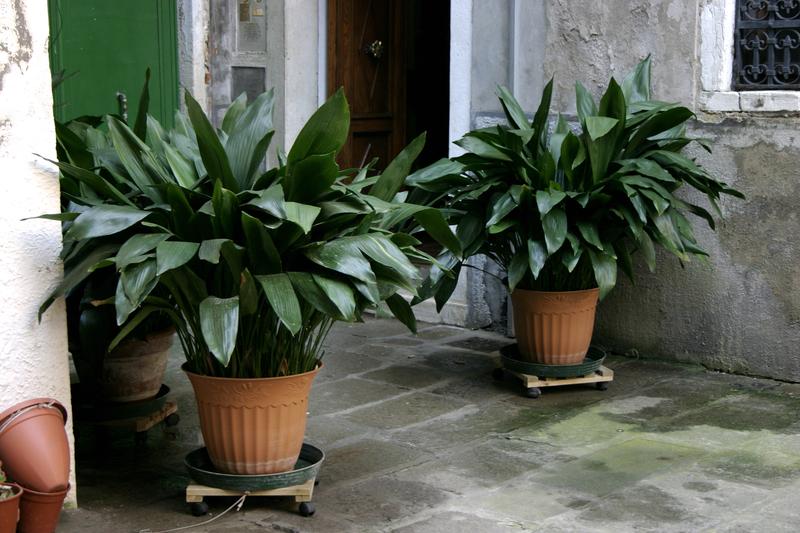
Quick facts
- Watering
- Fortnightly during growing season
- Sunlight
- Partial to full shade
- Soil
- Well-drained, loam-based compost
- Humans
- Safe
- Cats
- Toxic
- Dogs
- Toxic
- Height
- 45–75 cm
- Spread
- 30–60 cm
- Spacing
- 40–50 cm apart
- RHS recognition
- Award of Garden Merit
About Cast Iron Plant
The Cast Iron Plant is a robust evergreen perennial native to Taiwan and southern Japan, prized for its glossy, dark green lance-shaped leaves that can reach up to 60 cm in length. This Victorian favourite earned its common name from its legendary tolerance of neglect, poor light, and the coal-gas fumes that plagued 19th-century British homes. UK gardeners value it as one of the most forgiving houseplants available, thriving in dim corners and cool rooms where other plants struggle. Its architectural foliage adds a touch of elegance to hallways, bathrooms, and north-facing rooms throughout the year.
UK fact: Aspidistra elatior was awarded the RHS Award of Garden Merit and became a symbol of Victorian respectability in Britain, so ubiquitous in parlours that George Orwell named his 1936 novel 'Keep the Aspidistra Flying' after it.
Watering Cast Iron Plant
During spring and summer, water every 10–14 days, ensuring the pot drains freely and never sits in water. In autumn and winter, reduce watering to once every 3–4 weeks, as the plant enters semi-dormancy in cooler UK temperatures. The Cast Iron Plant is remarkably drought-tolerant and will recover from underwatering far better than from soggy compost, which quickly leads to root rot. Use tepid water rather than cold tap water to avoid shocking the roots.
Sunlight requirements
The Cast Iron Plant tolerates deep shade better than almost any other houseplant, though it will grow slightly faster in bright, indirect light. Avoid direct sunlight, which can scorch the leaves and cause unsightly brown patches. In UK homes, position away from south-facing windows or use net curtains to filter strong summer sun.
Soil and feeding
Use John Innes No. 2 or a similar loam-based compost mixed with a handful of horticultural grit or perlite to improve drainage. Avoid peat-free composts that retain too much moisture, as these can lead to root rot in the relatively dry conditions this plant prefers. The Cast Iron Plant tolerates a wide pH range from slightly acidic to neutral (pH 5.5–7.0). Repot only when absolutely pot-bound, typically every 3–4 years, as the plant flowers better when roots are slightly restricted.
Apply a balanced liquid houseplant feed diluted to half strength once every 6–8 weeks from April to September. Avoid feeding in autumn and winter when growth slows. Overfertilising can cause brown leaf tips and edges, so err on the side of caution with this undemanding plant.
Pruning Cast Iron Plant
Cut individual leaves cleanly at soil level using sharp secateurs when they become damaged, yellowed, or brown-tipped. Wipe leaves occasionally with a damp cloth to remove dust and restore their natural gloss, which helps the plant photosynthesise in low light. If variegated cultivars produce plain green leaves, remove these promptly at the base to prevent the plant reverting entirely to green. The Cast Iron Plant rarely requires any other pruning and resents being cut back hard.
Propagating Cast Iron Plant
Divide established clumps in March or April when the plant has at least 8–10 leaves. Carefully remove the plant from its pot and tease apart the rhizomes, ensuring each division has at least 3–4 leaves and a good portion of roots. Pot divisions into John Innes No. 2 compost and water sparingly until new growth appears. Seed propagation is possible but extremely slow and rarely attempted by home gardeners.
Common problems
The Cast Iron Plant is remarkably pest-free, though red spider mite can occasionally appear in very dry, centrally heated rooms; increase humidity by misting or grouping plants together. Overwatering is the primary cause of problems, leading to yellowing leaves and root rot, particularly in winter when the plant requires very little water. Brown leaf tips usually indicate overfertilising, fluoride in tap water, or low humidity, whilst entire leaves turning yellow and mushy at the base signal root rot from waterlogged compost. Mealybugs may occasionally hide between leaf bases and should be removed with cotton buds dipped in methylated spirits.
Spot a problem with your plant? Photograph the affected area using the Loam app and it will suggest the most likely cause and treatment.
Safety
- Humans
- Safe
- Cats
-
Toxic
Contains saponins that can cause vomiting, diarrhoea, and drooling if ingested. Keep out of reach of cats.
- Dogs
-
Toxic
Contains saponins that can cause vomiting, diarrhoea, and abdominal pain if ingested. Keep out of reach of dogs.
Toxicity information is for general guidance only. If a pet has been exposed to this plant and you are concerned, seek advice from a vet.
Seasonal care calendar
Monthly care guide for Cast Iron Plant in the UK, based on average conditions.
| Month | Care tasks |
|---|---|
| January | Water very sparingly, only if compost is completely dry. Keep away from cold draughts and frosty windows. |
| February | Continue minimal watering. Wipe leaves with a damp cloth to remove dust accumulated during winter. |
| March | Begin increasing watering frequency as temperatures rise. Ideal time to divide and repot if necessary. |
| April | Resume regular fortnightly watering. Begin feeding with diluted liquid fertiliser every 6–8 weeks. |
| May | Maintain regular watering and feeding schedule. New leaves may emerge from the rhizome. |
| June | Continue fortnightly watering. Ensure plant is shaded from strong direct sunlight through windows. |
| July | Water regularly and feed monthly. Wipe leaves to maintain gloss and check for red spider mite in hot weather. |
| August | Maintain watering and feeding routine. Small purple flowers may appear at soil level on mature plants. |
| September | Continue watering but begin reducing frequency as temperatures drop. Give final feed of the season. |
| October | Reduce watering to every 3–4 weeks. Stop feeding as plant enters semi-dormancy. |
| November | Water sparingly, only when compost is dry. Ensure plant is not exposed to cold draughts from doors. |
| December | Minimal watering required. Keep in stable temperatures above 5°C, away from cold windows. |
Frequently asked questions
- How do I clean Cast Iron Plant leaves?
- Wipe leaves gently with a damp cloth every few weeks to remove dust, which can block light absorption and attract pests. Avoid leaf shine products, which can clog pores. For heavily soiled plants, a lukewarm shower works well—just ensure the pot drains thoroughly afterwards to prevent waterlogging.
- Why are the tips of my Cast Iron Plant's leaves turning brown?
- Brown tips are usually caused by overfertilising, fluoride in tap water, or low humidity. Use rainwater or filtered water if possible, reduce feeding to half strength, and mist occasionally to increase humidity. If you're unsure what's causing the problem, the Loam app can help diagnose leaf issues and provide personalised care advice based on your conditions.
- How do I propagate Cast Iron Plant?
- Divide mature plants in spring by carefully removing from the pot and separating rhizomes with at least 2–3 leaves per section using a sharp, clean knife. Plant divisions in John Innes No. 2 compost and water sparingly until new growth appears. Be patient—divisions can take several months to establish and begin producing new leaves.
Got a question about growing Cast Iron Plant that isn't covered here? Ask the Garden Advisor in the Loam app. It knows your saved plants and local conditions.
Related plants
This page was compiled with AI assistance and reviewed by our team. .