Peace Lily
Spathiphyllum wallisii
Houseplants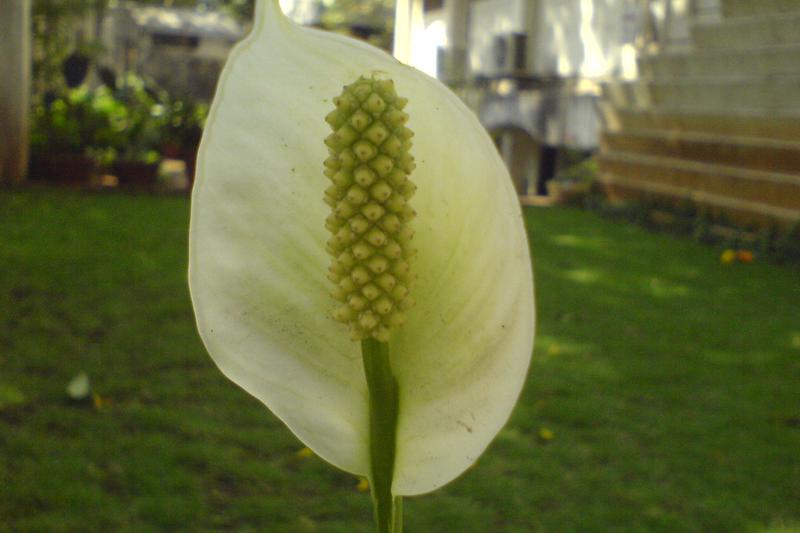
Quick facts
- Watering
- Weekly during growing season
- Sunlight
- Bright indirect light
- Soil
- Well-drained, peat-free multipurpose compost
- Humans
- Toxic
- Cats
- Toxic
- Dogs
- Toxic
- Height
- 30–60 cm
- Spread
- 25–50 cm
- Spacing
- 30–40 cm apart
- RHS recognition
- Award of Garden Merit
About Peace Lily
The Peace Lily is a popular evergreen houseplant native to the tropical rainforests of Central and South America, prized for its elegant white spathes and glossy dark green foliage. In UK homes, it thrives in low to moderate light conditions, making it ideal for north-facing rooms and offices where many other plants struggle. Its air-purifying qualities and tolerance of neglect have made it one of Britain's most beloved indoor plants. The distinctive white 'flowers' (actually modified leaves called spathes) appear throughout the year, providing year-round interest in UK interiors.
UK fact: The Peace Lily was awarded the Royal Horticultural Society's Award of Garden Merit (H1c) and remains one of the top-selling houseplants in British garden centres, particularly popular as a sympathy gift due to its common name and pure white blooms.
Watering Peace Lily
Peace Lilies are forgiving and will visibly droop when thirsty, then perk up within hours of watering - a useful trait for forgetful gardeners. Water thoroughly when the top few centimetres of compost dry out, typically weekly in summer and fortnightly in winter when UK homes are heated but light levels drop. Use tepid water and ensure excess drains away, as waterlogged roots cause yellowing leaves. Mist foliage occasionally during winter when central heating reduces humidity, or stand pots on trays of damp pebbles.
Sunlight requirements
Position your Peace Lily in bright, indirect light for optimal flowering, though it will tolerate shadier spots better than most houseplants. Avoid direct sunlight, which scorches the leaves, making north or east-facing windowsills ideal in UK homes. In darker corners, growth will slow and flowering may cease, but the plant will survive - perfect for offices with fluorescent lighting.
Soil and feeding
Plant in good-quality peat-free multipurpose compost mixed with perlite or orchid bark (roughly 3:1 ratio) to ensure adequate drainage whilst retaining moisture. Peace Lilies prefer slightly acidic to neutral conditions (pH 5.5-6.5), which standard houseplant composts provide. Repot every 2-3 years in spring when roots fill the pot, moving up just one pot size. Avoid heavy, water-retentive mixes that can lead to root rot in the relatively cool conditions of UK homes.
Apply a balanced liquid feed (such as 10-10-10 NPK) at half the recommended strength every 4 weeks during the growing season from March through September. Reduce feeding to every 6-8 weeks in winter when growth slows. Over-feeding causes brown leaf tips and salt build-up in the compost, so err on the side of caution.
Pruning Peace Lily
Prune Peace Lilies lightly throughout the year by cutting spent flower stems down to the base once the spathe turns green or brown. Remove any yellowing or damaged leaves by cutting them off at soil level with clean secateurs to prevent disease and maintain the plant's appearance. Wipe leaves with a damp cloth every few weeks to remove dust and allow efficient photosynthesis. No major pruning is required, though congested clumps can be divided during repotting in spring.
Propagating Peace Lily
The easiest method is division during spring repotting, when the plant has formed multiple crowns. Carefully remove the plant from its pot and gently tease apart sections, ensuring each division has at least 2-3 leaves and a good root system. Pot divisions into fresh peat-free compost and water well, keeping in a warm spot (18-21°C) out of direct sun until established. New plants may take several weeks to recover and resume growth, so patience is essential in the UK's cooler spring temperatures.
Common problems
Peace Lilies are relatively trouble-free but can suffer from brown leaf tips caused by fluoride in tap water, low humidity, or over-feeding - use filtered or rainwater if possible. Red spider mite and mealybug occasionally attack plants in warm, dry UK homes, particularly during winter when central heating reduces humidity; treat with insecticidal soap or biological controls. Yellowing leaves usually indicate over-watering or poor drainage, whilst a lack of flowers suggests insufficient light. Root rot from waterlogged compost is the most serious issue and often fatal, so ensure pots have drainage holes and never leave plants standing in water.
Spot a problem with your plant? Photograph the affected area using the Loam app and it will suggest the most likely cause and treatment.
Safety
- Humans
-
Toxic
Contains calcium oxalate crystals which cause mouth and throat irritation, swelling, and difficulty swallowing if ingested. Keep away from young children.
- Cats
-
Toxic
Contains calcium oxalate crystals causing oral irritation, drooling, vomiting, and difficulty swallowing. Seek veterinary advice if ingested.
- Dogs
-
Toxic
Contains calcium oxalate crystals causing oral irritation, excessive drooling, vomiting, and difficulty swallowing. Contact your vet if your dog chews or ingests any part of the plant.
Toxicity information is for general guidance only. If a person or pet has been exposed to this plant and you are concerned, seek advice from a medical professional or vet.
Seasonal care calendar
Monthly care guide for Peace Lily in the UK, based on average conditions.
| Month | Care tasks |
|---|---|
| January | Reduce watering frequency as growth slows. Maintain temperatures above 15°C and mist foliage if central heating causes dry air. |
| February | Continue minimal watering. Wipe dust from leaves to maximise light absorption during short winter days. |
| March | Resume monthly feeding as light levels increase. Ideal time to repot or divide congested plants before active growth begins. |
| April | Increase watering frequency as temperatures rise and growth accelerates. Continue monthly feeding with balanced liquid fertiliser. |
| May | Maintain regular watering and feeding schedule. Flowering typically increases during late spring and early summer. |
| June | Water weekly or when compost surface dries. Remove spent flowers at the base. Ensure plants aren't exposed to direct summer sun. |
| July | Peak growing season - maintain consistent moisture and monthly feeding. Mist foliage during hot spells to increase humidity. |
| August | Continue regular watering and feeding. Monitor for pests, particularly red spider mite in warm, dry conditions. |
| September | Reduce feeding frequency to every 6 weeks as growth slows. Continue regular watering whilst temperatures remain mild. |
| October | Gradually reduce watering as light levels drop and growth slows. Stop feeding until spring. |
| November | Water sparingly, allowing compost to dry slightly between waterings. Ensure minimum temperature of 15°C as heating comes on. |
| December | Minimal watering required. Keep away from cold draughts and radiators. Mist occasionally if air becomes very dry. |
Frequently asked questions
- Why are my Peace Lily's leaves turning yellow?
- Yellowing leaves usually indicate over-watering or poor drainage, though some lower leaf yellowing is natural as the plant ages. Check the compost isn't waterlogged, ensure pots have drainage holes, and reduce watering frequency. Remove yellow leaves at the base to maintain appearance.
- How do I know what's wrong with my Peace Lily?
- Peace Lilies show different symptoms for different problems: drooping means thirst, yellow leaves suggest over-watering, brown tips indicate water quality issues, and lack of flowers means insufficient light. The Loam app can diagnose your specific issue by analysing photos of your plant and provide personalised care recommendations to get it back to health.
- How do I propagate my Peace Lily?
- Peace Lilies are propagated by division during repotting in spring. Gently remove the plant from its pot and separate the root ball into sections, ensuring each division has several leaves and healthy roots. Plant each section in fresh peat-free compost, water well, and keep in a warm spot with bright indirect light until established.
Got a question about growing Peace Lily that isn't covered here? Ask the Garden Advisor in the Loam app. It knows your saved plants and local conditions.
Related plants
This page was compiled with AI assistance and reviewed by our team. .