Petunia
Petunia x hybrida
Annuals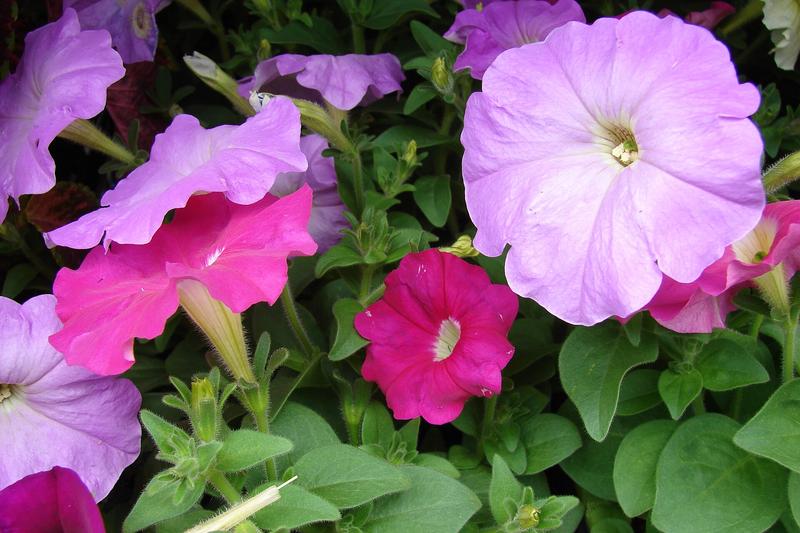
Quick facts
- Watering
- Daily in containers during summer
- Sunlight
- Full sun
- Soil
- Well-drained, fertile compost
- Humans
- Safe
- Cats
- Safe
- Dogs
- Safe
- Height
- 15–40 cm
- Spread
- 30–90 cm
- Spacing
- 20–30 cm apart
About Petunia
Petunias are vibrant, trumpet-shaped flowering annuals native to South America that have become a staple of British summer bedding schemes. Their profuse blooms in nearly every colour imaginable, from pure white to deep purple, make them ideal for containers, hanging baskets, and border edges. UK gardeners prize petunias for their long flowering season from late spring through to the first frosts, providing reliable colour throughout the British summer. Modern varieties offer improved weather resistance, though they still perform best during warm, dry spells.
UK fact: Petunias became hugely popular in Victorian Britain during the bedding plant craze of the 1840s, when glasshouse cultivation allowed gardeners to produce thousands of plants for elaborate carpet bedding displays in public parks and grand estates across the country.
Watering Petunia
Petunias have high water requirements, especially when grown in hanging baskets and containers which dry out quickly in warm weather. During the British summer, container-grown plants typically need watering once or twice daily, whilst those in borders require thorough watering two to three times weekly during dry spells. Water at the base of plants rather than overhead to prevent flower damage and reduce the risk of fungal diseases. Allow the top centimetre of compost to dry slightly between waterings to prevent waterlogging.
Sunlight requirements
Petunias require full sun to produce their best flowering display, needing at least six hours of direct sunlight daily. In the UK, position them in south or west-facing spots where they'll receive maximum light during our shorter summer days. They can tolerate very light shade but will produce fewer flowers and may become leggy in shadier positions.
Soil and feeding
Petunias thrive in fertile, well-drained soil or compost with a slightly acidic to neutral pH of 6.0-7.0. For containers and hanging baskets, use a good-quality multipurpose compost mixed with slow-release fertiliser and water-retaining gel to help maintain consistent moisture levels. In borders, improve heavy clay soils by incorporating organic matter and grit to enhance drainage. Avoid very alkaline soils, which can cause yellowing of leaves due to nutrient deficiencies.
Feed petunias weekly with a high-potassium liquid fertiliser such as tomato feed to promote continuous flowering throughout the season. Container-grown plants are particularly hungry and benefit from regular feeding as nutrients leach away quickly with frequent watering. Alternatively, incorporate slow-release fertiliser granules into the compost at planting time, supplemented with fortnightly liquid feeds from midsummer onwards.
Pruning Petunia
Deadhead spent blooms regularly throughout the flowering season to encourage continuous production of new flowers and maintain a tidy appearance. Pinch out the growing tips of young plants in late spring to promote bushier growth and more flower stems. If plants become leggy or flowering diminishes in midsummer, cut back stems by one-third to rejuvenate growth and stimulate a fresh flush of blooms. Remove any yellowing or damaged foliage promptly to maintain plant health and appearance.
Propagating Petunia
Petunias are typically grown from seed sown indoors from February to March, requiring temperatures of 21-24°C for germination. Sow the tiny seeds on the surface of moist seed compost without covering, as they need light to germinate, and expect seedlings to emerge within 7-14 days. Prick out seedlings when large enough to handle and grow on in cooler conditions before hardening off and planting out after all risk of frost has passed in late May. Softwood cuttings can be taken in late summer from favourite plants to overwinter indoors, though most UK gardeners treat petunias as disposable annuals.
Common problems
Aphids are the most common pest, clustering on new growth and flower buds, causing distortion and spreading viruses; control with insecticidal soap or encourage natural predators. Slugs and snails can devastate young plants in wet weather, particularly when first planted out in borders. Fungal diseases such as grey mould (botrytis) affect flowers and foliage during prolonged damp periods, especially in overcrowded plantings with poor air circulation. Weather damage from heavy rain can shred delicate petals, whilst very hot, dry conditions may cause temporary wilting even with adequate watering; grandiflora types are particularly susceptible to rain damage compared to more resilient multiflora varieties.
Spot a problem with your plant? Photograph the affected area using the Loam app and it will suggest the most likely cause and treatment.
Safety
- Humans
- Safe
- Cats
- Safe
- Dogs
- Safe
Toxicity information is for general guidance only.
Seasonal care calendar
Monthly care guide for Petunia in the UK, based on average conditions.
| Month | Care tasks |
|---|---|
| January | No action needed. Plan colour schemes for summer displays. |
| February | Sow seeds indoors in a heated propagator at 21-24°C. |
| March | Continue sowing seeds. Prick out earlier seedlings into individual pots. |
| April | Grow on seedlings in cooler conditions. Pinch out growing tips to encourage bushiness. |
| May | Harden off plants gradually. Plant out after last frost, typically late May. |
| June | Deadhead regularly and begin weekly feeding. Water daily in containers. |
| July | Continue deadheading and feeding. Cut back leggy growth to rejuvenate plants. |
| August | Maintain regular watering and feeding. Take cuttings from favourite plants to overwinter. |
| September | Continue deadheading. Flowering continues until first frosts. |
| October | Remove plants after frost damage. Clear containers and borders. |
| November | No action needed. Compost old plants. |
| December | No action needed. Order seeds for next season. |
Frequently asked questions
- Why are my petunias going leggy and not flowering?
- Leggy petunias with few flowers are usually caused by insufficient light, overfeeding with high-nitrogen fertiliser, or lack of deadheading. Move containers to a sunnier position, switch to a high-potassium tomato feed, and cut back leggy stems by one-third to encourage bushier growth and more blooms.
- How can I tell if my petunias need watering or feeding?
- Wilting leaves indicate underwatering, whilst pale foliage and reduced flowering suggest nutrient deficiency. The Loam app can help you set personalised watering reminders based on your local weather and send feeding alerts to keep your petunias blooming all summer long.
- Can I save petunias over winter in the UK?
- Petunias are frost-tender and won't survive outdoors over a British winter, but you can take cuttings in late August and root them indoors on a bright windowsill. Keep them in a frost-free location at 7-10°C through winter, then use as stock plants for cuttings in spring, though most gardeners find it easier to buy fresh plants or sow seed annually.
Got a question about growing Petunia that isn't covered here? Ask the Garden Advisor in the Loam app. It knows your saved plants and local conditions.
Related plants
This page was compiled with AI assistance and reviewed by our team. .