Verbena Bonariensis
Verbena bonariensis
Perennials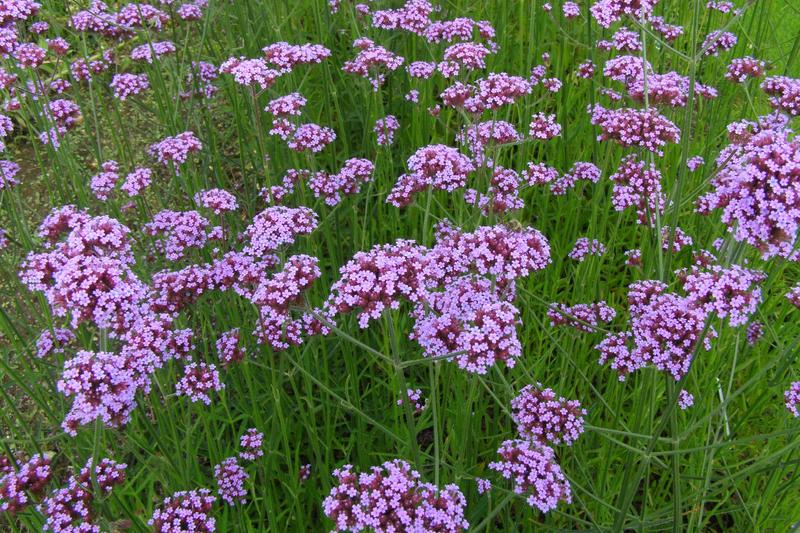
Quick facts
- Watering
- Weekly when establishing, then drought-tolerant
- Sunlight
- Full sun
- Soil
- Well-drained, moderately fertile
- Humans
- Safe
- Cats
- Safe
- Dogs
- Safe
- Height
- 120–200 cm
- Spread
- 45–60 cm
- Spacing
- 45–60 cm apart
- RHS recognition
- Award of Garden Merit
About Verbena Bonariensis
Verbena bonariensis is a tall, airy perennial native to South America that has become a cottage garden favourite across the UK. Its slender, branching stems reach up to 2 metres, topped with clusters of vibrant purple flowers from June through to the first frosts. British gardeners prize it for its ability to attract butterflies and bees whilst creating a see-through effect in borders, allowing views of plants behind. Despite its delicate appearance, it self-seeds readily and often behaves as a short-lived perennial in milder UK regions.
UK fact: Verbena bonariensis received the RHS Award of Garden Merit in 1993 and has become one of the most popular prairie-style plants in British gardens, particularly after featuring prominently in the naturalistic planting schemes at RHS Wisley and in Piet Oudolf's designs.
Watering Verbena Bonariensis
Newly planted verbena requires consistent moisture for the first 8-12 weeks, with weekly watering during dry weather. Once established, it becomes remarkably drought-tolerant and rarely needs supplementary watering in most UK regions. During exceptionally dry summers, particularly in southern England, a deep soak every fortnight will maintain flowering. Avoid overwatering, as this can lead to root rot and reduced winter hardiness.
Sunlight requirements
Plant in a position receiving at least six hours of direct sunlight daily for optimal performance. In the UK, south or west-facing borders are ideal, though it will tolerate an east-facing aspect in southern regions. Insufficient light results in weak, floppy growth and reduced flowering, so avoid shaded positions entirely.
Soil and feeding
Verbena bonariensis performs best in well-drained soil with a neutral to slightly alkaline pH of 6.5-7.5, though it tolerates a range from slightly acidic to alkaline. It adapts well to sandy, loamy, or chalky soils provided drainage is good, making it suitable for many UK gardens. Heavy clay soils should be improved with grit and organic matter to prevent winter waterlogging, which is the main cause of plant loss. Avoid overly fertile soils, as excessive nitrogen encourages soft growth that is more susceptible to frost damage.
Apply a light dressing of general-purpose fertiliser such as blood, fish and bone in early April as new growth emerges. Avoid high-nitrogen feeds, which promote leafy growth at the expense of flowers and reduce winter hardiness. Container-grown plants benefit from a monthly liquid feed with a balanced fertiliser during the flowering season from June to September.
Pruning Verbena Bonariensis
Leave the skeletal stems standing over winter, as they provide structure and food for seed-eating birds, and the seedheads look attractive when frosted. Cut back all growth to ground level in late February or early March, just before new basal growth appears. Deadheading is not necessary for continued flowering and will prevent the desirable self-seeding that helps maintain colonies. In exposed gardens, you may wish to reduce height by one-third in early June to create sturdier plants, though this delays flowering slightly.
Propagating Verbena Bonariensis
Verbena bonariensis is most commonly grown from seed, which germinates readily with minimal intervention. Sow seeds under cover in March or April, or allow established plants to self-seed, which they do prolifically in most UK gardens. Seedlings can be transplanted when large enough to handle, typically in late May after the last frost risk. Basal cuttings can also be taken in spring, though seed propagation is simpler and more reliable for most gardeners.
Common problems
Verbena bonariensis is remarkably trouble-free and suffers from few serious pests or diseases in UK gardens. Powdery mildew can occasionally affect foliage in late summer during dry spells, though this is usually cosmetic and doesn't significantly impact plant health. Aphids may colonise young shoot tips in spring but are easily controlled by squashing or with a jet of water. The main issue is winter losses in heavy, waterlogged soils or during exceptionally cold winters in northern regions, which can be mitigated by improving drainage and allowing plants to self-seed as insurance.
Spot a problem with your plant? Photograph the affected area using the Loam app and it will suggest the most likely cause and treatment.
Safety
- Humans
- Safe
- Cats
- Safe
- Dogs
- Safe
Toxicity information is for general guidance only.
Seasonal care calendar
Monthly care guide for Verbena Bonariensis in the UK, based on average conditions.
| Month | Care tasks |
|---|---|
| January | No action needed. Leave standing stems for winter structure and wildlife value. |
| February | Cut back dead stems to ground level towards the end of the month as new growth begins to emerge. |
| March | Sow seeds under cover at 18-21°C. Apply light dressing of balanced fertiliser around established plants. Transplant self-sown seedlings if required. |
| April | Continue sowing seeds. Prick out seedlings into individual pots. Begin hardening off plants sown in March towards month end. |
| May | Harden off and plant out young plants after last frosts, spacing 45-60cm apart. Water newly planted specimens regularly. |
| June | First flowers begin to appear. Water during dry spells, especially newly planted specimens. Optionally reduce height by one-third in exposed sites for sturdier growth. |
| July | Peak flowering period. Water during prolonged dry spells. Feed container-grown plants with liquid fertiliser. |
| August | Continue enjoying the abundant flowers and visiting pollinators. Maintain watering during dry weather. |
| September | Flowering continues into autumn. Allow seedheads to develop for self-seeding and to feed birds. |
| October | Flowering slows as temperatures drop. Leave stems standing for winter interest and wildlife. Collect seed if desired for spring sowing. |
| November | No action needed. Stems provide structure through winter and seedheads feed birds. |
| December | No action needed. Enjoy the architectural winter silhouette, especially attractive when frosted. |
Frequently asked questions
- When should I cut back Verbena bonariensis?
- Cut back Verbena bonariensis in late winter or early spring (February to March) once the worst frosts have passed. Remove all dead stems to ground level to make way for fresh growth. Alternatively, reduce height by one-third in early June to encourage sturdier, bushier plants that are less prone to flopping. Leave seedheads standing through winter to provide food for birds and allow self-seeding.
- Why is my Verbena bonariensis not flowering well?
- Poor flowering is usually caused by insufficient sunlight, as Verbena bonariensis requires full sun to bloom profusely. Other causes include overly rich soil (which promotes leafy growth at the expense of flowers), drought stress, or planting too late in the season. If you're unsure what's affecting your plant, the Loam app can help diagnose the problem by analysing your growing conditions and providing personalised care recommendations to get your verbena flowering abundantly.
- How do I propagate Verbena bonariensis from seed?
- Sow seeds indoors in March or April on the surface of moist seed compost, as they need light to germinate. Keep at 18-21°C and germination usually occurs within 14-21 days. Prick out seedlings into individual pots when large enough to handle, grow on under cover, and plant out after the last frosts in late May. Alternatively, allow plants to self-seed naturally in the garden and transplant volunteers in spring—this is the easiest method and how most gardeners maintain their displays.
Got a question about growing Verbena Bonariensis that isn't covered here? Ask the Garden Advisor in the Loam app. It knows your saved plants and local conditions.
Related plants
This page was compiled with AI assistance and reviewed by our team. .