Wood Sorrel
Oxalis acetosella
Wildflowers and Natives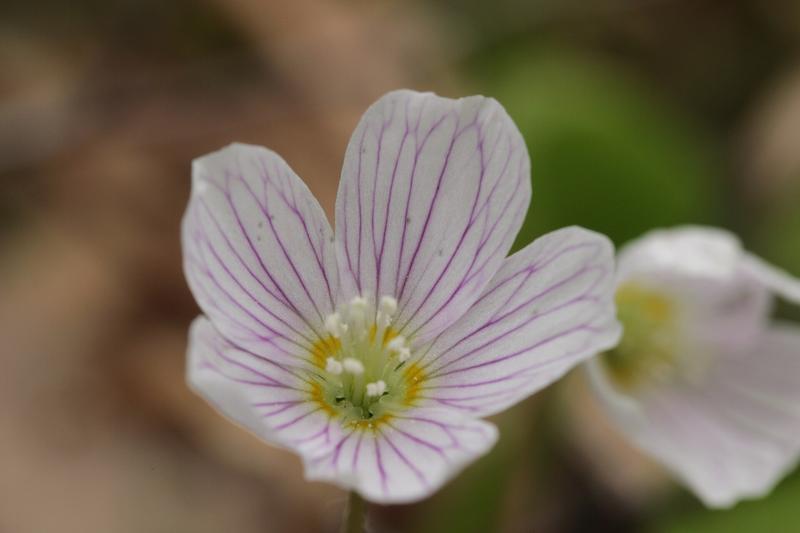
Quick facts
- Watering
- Minimal once established
- Sunlight
- Partial to full shade
- Soil
- Moist, humus-rich, slightly acidic
- Humans
- Toxic
- Cats
- Toxic
- Dogs
- Toxic
- Height
- 5–10 cm
- Spread
- 20–30 cm
- Spacing
- 15–20 cm apart
About Wood Sorrel
Wood sorrel is a delicate native British wildflower with shamrock-like trifoliate leaves and nodding white flowers veined with lilac. This charming woodland perennial forms low carpets in shaded areas, thriving in the dappled light beneath trees and hedgerows across the UK. Gardeners value it as attractive ground cover for naturalising in wild gardens, woodland edges, and shady borders where little else will grow. The leaves have a pleasant lemony taste and fold down at night or in bright sunlight, adding seasonal interest throughout spring and summer.
UK fact: Wood sorrel has been a traditional British wild food for centuries, with the leaves historically used to make a refreshing drink and the plant known as 'cuckoo's bread' because it flowers when cuckoos arrive in spring.
Watering Wood Sorrel
Water newly planted wood sorrel regularly during the first growing season to help establish roots, particularly during dry spring weather. Once established, this native wildflower requires minimal watering as it naturally tolerates the moist, shaded conditions found in British woodlands. In prolonged summer drought, water occasionally to prevent the foliage from dying back prematurely. Container-grown plants will need more frequent watering than those planted in the ground.
Sunlight requirements
Wood sorrel thrives in partial to full shade, mimicking its natural woodland habitat beneath deciduous trees. In UK gardens, plant it on north-facing borders or under shrubs where it will receive dappled light. Avoid full sun positions, particularly in southern England, as the leaves will scorch and the plant will struggle during dry spells.
Soil and feeding
Wood sorrel prefers moist, humus-rich soil that mimics woodland conditions, ideally with a pH between 5.5 and 6.5. Incorporate plenty of leaf mould or well-rotted compost before planting to improve moisture retention and soil structure. The plant tolerates a range of soil types but performs best in fertile, free-draining yet moisture-retentive ground. Avoid waterlogged or very dry soils, as both extremes will cause the plant to struggle and fail to spread.
Wood sorrel requires minimal feeding as it naturally thrives in nutrient-poor woodland soils. A light mulch of leaf mould in autumn will provide sufficient nutrients and help retain moisture. Avoid high-nitrogen fertilisers, which can encourage excessive leaf growth at the expense of flowers.
Pruning Wood Sorrel
Wood sorrel requires no formal pruning as it naturally dies back in late summer or autumn. Simply allow the foliage to fade naturally, which helps the plant build energy reserves in its rhizomes for the following spring. If the plant spreads beyond its intended area, gently lift and divide clumps in early spring or autumn. Remove any dead foliage in late winter to tidy the area before new growth emerges.
Propagating Wood Sorrel
Wood sorrel spreads naturally via creeping rhizomes and can be easily propagated by division in early spring or autumn. Carefully lift established clumps and separate them into smaller sections, ensuring each piece has roots and growing points, then replant immediately at the same depth. The plant also self-seeds readily in favourable conditions, with seed capsules explosively dispersing seeds when ripe in summer. Collect fresh seed and sow immediately on the surface of moist, humus-rich compost in a shaded cold frame, as germination is often erratic.
Common problems
Wood sorrel is largely trouble-free and rarely suffers from pests or diseases in UK gardens. Slugs and snails may occasionally nibble young foliage in spring, particularly in very damp conditions, but damage is usually minimal. The plant can become invasive in ideal conditions, spreading vigorously via rhizomes and self-seeding, so monitor its spread in smaller gardens. In very dry or sunny positions, the foliage may scorch and die back prematurely, though the plant usually recovers when conditions improve.
Spot a problem with your plant? Photograph the affected area using the Loam app and it will suggest the most likely cause and treatment.
Safety
- Humans
-
Toxic
Contains oxalic acid which can be harmful in large quantities. Small amounts of leaves are safe to eat occasionally, but excessive consumption may cause kidney problems.
- Cats
-
Toxic
Contains oxalic acid which can cause kidney damage and gastrointestinal upset if ingested in significant quantities.
- Dogs
-
Toxic
Contains oxalic acid which can cause kidney damage, drooling, vomiting, and weakness if ingested in significant quantities.
Toxicity information is for general guidance only. If a person or pet has been exposed to this plant and you are concerned, seek advice from a medical professional or vet.
Seasonal care calendar
Monthly care guide for Wood Sorrel in the UK, based on average conditions.
| Month | Care tasks |
|---|---|
| January | No action needed; plant is dormant. |
| February | Clear away any remaining dead foliage from last year to prepare for new growth. |
| March | New foliage begins to emerge. Divide established clumps if required and replant immediately. |
| April | Flowers begin to appear. Water newly planted divisions regularly to help establishment. |
| May | Peak flowering period. Enjoy the delicate white blooms and fresh foliage. |
| June | Flowering continues. Water during dry spells to prevent premature dieback. |
| July | Seed capsules ripen and disperse. Collect fresh seed if propagating. |
| August | Foliage may begin to fade in dry conditions. Water occasionally if very dry. |
| September | Foliage dies back naturally. Divide clumps if required for propagation. |
| October | Apply a light mulch of leaf mould around plants to improve soil and retain moisture. |
| November | Plant becomes dormant. No action needed. |
| December | No action needed; plant is dormant. |
Frequently asked questions
- Is wood sorrel invasive in UK gardens?
- Wood sorrel can spread vigorously via rhizomes and self-seeding in ideal shaded, moist conditions, but it's easily controlled by lifting unwanted clumps. In smaller gardens, monitor its spread and divide regularly to keep it contained. It's an excellent choice for naturalising in wild gardens and woodland areas where its spreading habit is an advantage.
- Why are my wood sorrel leaves turning brown and dying back?
- Brown, dying foliage usually indicates the plant is too dry or receiving too much direct sunlight. Wood sorrel naturally dies back in late summer, but premature dieback suggests stress. The Loam app can help you track watering schedules and assess whether your planting location provides adequate shade and moisture.
- Can I eat wood sorrel leaves from my garden?
- Yes, wood sorrel leaves are edible and have a pleasant lemony flavour, traditionally used in salads and drinks. However, they contain oxalic acid, so consume only small amounts occasionally. Avoid eating them if you have kidney problems, and ensure plants haven't been treated with pesticides.
Got a question about growing Wood Sorrel that isn't covered here? Ask the Garden Advisor in the Loam app. It knows your saved plants and local conditions.
Related plants
This page was compiled with AI assistance and reviewed by our team. .