Wild Strawberry
Fragaria vesca
Wildflowers and Natives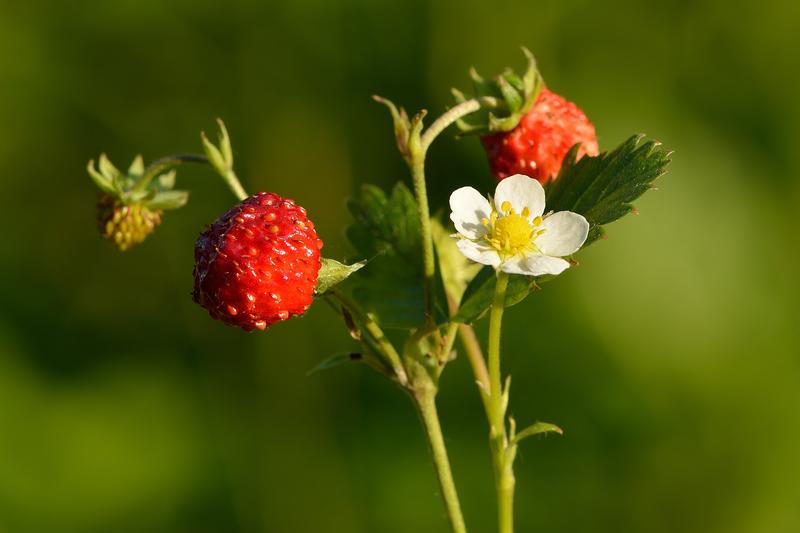
Quick facts
- Watering
- Weekly during dry spells
- Sunlight
- Partial shade to full sun
- Soil
- Moist, well-drained, humus-rich
- Humans
- Safe
- Cats
- Safe
- Dogs
- Safe
- Height
- 10–20 cm
- Spread
- 30–60 cm
- Spacing
- 25–30 cm apart
About Wild Strawberry
Wild strawberry is a charming native British perennial that produces delicate white flowers followed by tiny, intensely flavoured fruits from May to September. Growing 10–20 cm tall, it spreads via runners to form attractive ground cover with trifoliate leaves that remain semi-evergreen in mild winters. UK gardeners value it for naturalising in woodland gardens, edging paths, and attracting pollinators whilst providing edible berries far superior in taste to cultivated varieties. It thrives in dappled shade and tolerates a wide range of conditions, making it ideal for wildlife-friendly planting schemes throughout Britain.
UK fact: Wild strawberries have been gathered from British woodlands and hedgerows since prehistoric times, with archaeological evidence from Neolithic sites, and were cultivated in medieval monastery gardens long before the introduction of larger-fruited American species in the 18th century.
Watering Wild Strawberry
Once established, wild strawberries are remarkably drought-tolerant but produce better crops with consistent moisture during flowering and fruiting from May to August. Water weekly during dry periods, providing approximately 2.5 cm of water, ensuring the soil remains evenly moist but never waterlogged. Container-grown plants require more frequent watering, potentially twice weekly in summer. Reduce watering in autumn and winter, allowing rainfall to suffice except during prolonged dry spells.
Sunlight requirements
Wild strawberries perform best in partial shade, mimicking their natural woodland edge habitat, though they tolerate full sun in northern Britain and cooler gardens. In southern England, afternoon shade prevents leaf scorch during hot summers and helps maintain soil moisture. East- or west-facing positions are ideal, whilst north-facing spots suit them well in milder regions.
Soil and feeding
Wild strawberries thrive in fertile, moisture-retentive soil enriched with organic matter, preferring a slightly acidic to neutral pH of 5.5–7.0. They adapt to most soil types including clay, loam, and sandy soils provided drainage is adequate and organic content is good. Improve heavy clay with grit and compost, whilst sandy soils benefit from generous additions of well-rotted manure or leaf mould to retain moisture. Avoid waterlogged conditions which encourage root rot.
Apply a balanced organic fertiliser or well-rotted compost in early spring to support flowering and fruiting. A light top-dressing of compost in autumn helps maintain soil fertility and protects crowns over winter. Avoid high-nitrogen feeds which promote leafy growth at the expense of flowers and fruit.
Pruning Wild Strawberry
Remove dead or damaged leaves in early spring before new growth emerges to maintain plant health and appearance. Trim back excessive runners throughout the growing season if you wish to contain spread, or peg them down to establish new plants where ground cover is desired. After fruiting finishes in late summer, tidy plants by removing old foliage to encourage fresh growth. Wild strawberries require minimal pruning compared to cultivated varieties and benefit from a naturalistic approach.
Propagating Wild Strawberry
Wild strawberries propagate readily from runners produced throughout the growing season from May to September. Peg runners into pots of compost or directly into soil, allowing them to root whilst still attached to the parent plant, then sever once established after 4–6 weeks. Division of established clumps in early spring or autumn provides instant new plants. Seed propagation is possible by sowing fresh seed in autumn or stratifying stored seed for 4 weeks before spring sowing, though plants take 2 years to fruit.
Common problems
Slugs and snails are the primary pests, targeting both foliage and ripening fruit, particularly in damp conditions; use organic controls such as copper tape or wildlife-friendly pellets. Grey mould (botrytis) can affect fruits during wet summers; ensure good air circulation and remove affected berries promptly. Vine weevil larvae occasionally damage roots in container-grown plants; use biological controls in late summer. Birds, particularly blackbirds and thrushes, compete for ripe fruit; netting may be necessary if crops are significant, though many gardeners happily share the harvest with wildlife.
Spot a problem with your plant? Photograph the affected area using the Loam app and it will suggest the most likely cause and treatment.
Safety
- Humans
- Safe
- Cats
- Safe
- Dogs
- Safe
Toxicity information is for general guidance only.
Seasonal care calendar
Monthly care guide for Wild Strawberry in the UK, based on average conditions.
| Month | Care tasks |
|---|---|
| January | No action needed; plants are dormant with minimal foliage. |
| February | Check plants for frost heave and firm back into soil if necessary. |
| March | Remove dead foliage and apply compost or balanced fertiliser around plants. |
| April | New growth emerges; water during dry spells and watch for slug damage. |
| May | White flowers appear; ensure consistent watering and protect from late frosts. |
| June | First fruits ripen; harvest regularly and watch for birds and slugs. |
| July | Peak fruiting period; continue harvesting and peg down runners for new plants. |
| August | Late fruits ripen; propagate from runners and maintain watering in dry weather. |
| September | Fruiting finishes; tidy plants and sever rooted runners to establish new patches. |
| October | Apply autumn mulch of leaf mould or compost around plants. |
| November | Plants enter dormancy; reduce watering and allow natural leaf fall. |
| December | No action needed; plants are fully dormant. |
Frequently asked questions
- Can you eat wild strawberries from the garden?
- Yes, wild strawberries are completely edible and safe to eat, with a more intense, aromatic flavour than cultivated varieties. The fruits are small but delicious fresh, in preserves, or as garnishes. Both leaves and fruits have been used in traditional herbal teas for centuries.
- Why are my wild strawberries not producing fruit?
- Insufficient sunlight, poor pollination, or excessive nitrogen feeding can reduce fruiting. The Loam app can help diagnose your specific growing conditions and send timely reminders for feeding and care tasks to maximise your harvest.
- How do I stop wild strawberries from spreading everywhere?
- Trim runners regularly throughout the growing season before they root, or grow plants in containers to contain spread. Alternatively, create defined edges with barriers sunk 10 cm into the soil, or embrace their ground-covering nature in wilder areas where their spread is an asset rather than a problem.
Got a question about growing Wild Strawberry that isn't covered here? Ask the Garden Advisor in the Loam app. It knows your saved plants and local conditions.
Related plants
This page was compiled with AI assistance and reviewed by our team. .