Wood Sage
Teucrium scorodonia
Wildflowers and Natives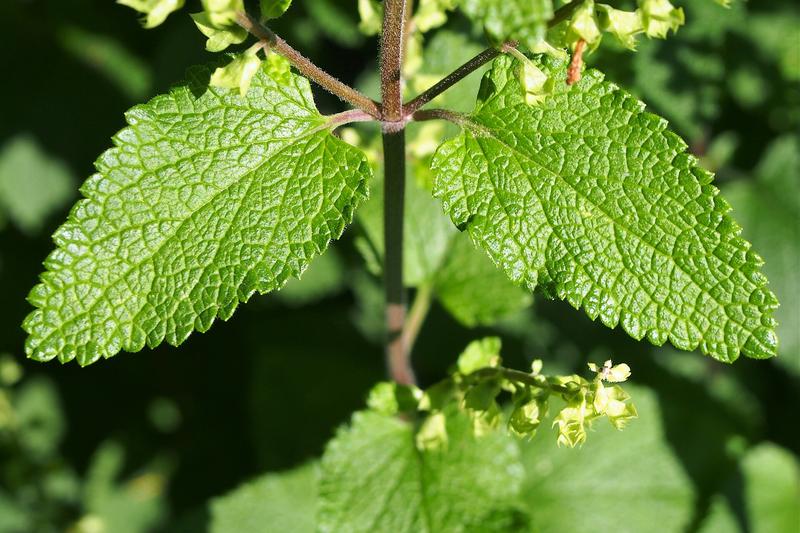
Quick facts
- Watering
- Minimal once established
- Sunlight
- Partial shade to full sun
- Soil
- Well-drained, acidic to neutral
- Humans
- Safe
- Cats
- Safe
- Dogs
- Safe
- Height
- 30–60 cm
- Spread
- 30–45 cm
- Spacing
- 30–40 cm apart
About Wood Sage
Wood Sage is a charming British native wildflower with soft, wrinkled sage-like leaves and spikes of pale greenish-yellow flowers that appear from July to September. This semi-evergreen perennial thrives in woodland edges, heathland, and hedgerows throughout the UK, particularly favouring acidic soils. UK gardeners value it for naturalising in shady borders, wildlife gardens, and woodland plantings, where it attracts bees and other pollinators. Its subtle beauty and low-maintenance nature make it ideal for creating authentic British wildflower displays.
UK fact: Wood Sage was historically used in Britain as a substitute for hops in beer-making before the widespread cultivation of true hops, and its leaves were also brewed as a tonic tea in rural communities across England and Wales.
Watering Wood Sage
Water regularly during the first growing season to establish a deep root system, particularly during dry spells. Once established, Wood Sage is remarkably drought-tolerant and requires watering only during prolonged summer droughts. Plants in sunnier positions or free-draining soils benefit from occasional watering during extended dry periods. Avoid waterlogging, which can lead to root rot, especially in heavy clay soils.
Sunlight requirements
Wood Sage performs best in dappled shade or partial shade, mimicking its natural woodland edge habitat. It tolerates full sun in northern Britain or where soils remain moisture-retentive, but may struggle in hot, sunny positions in southern England without adequate moisture. North-facing borders or positions under the canopy of deciduous trees are ideal.
Soil and feeding
Wood Sage thrives in acidic to neutral soils (pH 5.5-7.0) and struggles in alkaline conditions. It prefers well-drained, sandy or loamy soils with moderate fertility, reflecting its natural heathland and woodland habitats. Heavy clay soils should be improved with grit and organic matter to enhance drainage. Avoid rich, highly fertile soils, which can promote excessive leafy growth at the expense of flowers and reduce the plant's natural compact habit.
Wood Sage requires minimal feeding and thrives in nutrient-poor soils. A light application of leaf mould or well-rotted compost in early spring is sufficient for plants in very poor soils. Avoid high-nitrogen fertilisers, which encourage lush growth that is prone to flopping and reduces flowering.
Pruning Wood Sage
Cut back flowering stems after blooming in autumn to maintain a tidy appearance and prevent self-seeding if desired. In late winter or early spring, trim back any winter-damaged or untidy growth to encourage fresh basal foliage. Wood Sage benefits from a light shearing in spring to promote bushier growth and more flowering stems. Avoid hard pruning into old wood, as this can weaken the plant.
Propagating Wood Sage
Wood Sage is easily propagated from semi-ripe cuttings taken in late summer, which root readily in a free-draining compost mix. Division of established clumps in spring or autumn is also successful, ensuring each division has healthy roots and shoots. Seed can be sown in autumn in pots and left outdoors to experience natural cold stratification, germinating the following spring. Self-sown seedlings often appear around parent plants and can be transplanted when large enough to handle.
Common problems
Wood Sage is generally trouble-free and resistant to most pests and diseases. Powdery mildew may occasionally affect foliage in dry conditions with poor air circulation, particularly in late summer. Slugs and snails may damage young growth in spring, though established plants are rarely troubled. Yellowing leaves can indicate alkaline soil or waterlogging, both of which should be addressed by improving drainage or acidifying the soil with ericaceous compost.
Spot a problem with your plant? Photograph the affected area using the Loam app and it will suggest the most likely cause and treatment.
Safety
- Humans
- Safe
- Cats
- Safe
- Dogs
- Safe
Toxicity information is for general guidance only.
Seasonal care calendar
Monthly care guide for Wood Sage in the UK, based on average conditions.
| Month | Care tasks |
|---|---|
| January | No action needed. Plants are dormant or semi-evergreen with minimal growth. |
| February | Check plants for winter damage and remove any dead or damaged stems. |
| March | Trim back old growth and apply a light mulch of leaf mould. Divide established clumps if required. |
| April | New growth emerges. Water young plants during dry spells. Take divisions if not done in March. |
| May | Monitor for slugs on young foliage. Ensure adequate moisture for newly planted specimens. |
| June | Plants develop flowering stems. Water during dry periods, especially in sunny positions. |
| July | Flowering begins. Deadhead spent blooms to prolong flowering if desired. Enjoy pollinator activity. |
| August | Peak flowering period. Take semi-ripe cuttings for propagation. Water during prolonged dry spells. |
| September | Flowering continues into early autumn. Allow some seed heads to develop for self-seeding or cut back after flowering. |
| October | Cut back spent flowering stems. Collect seed if desired. Divide established clumps if necessary. |
| November | Tidy plants and remove debris. Apply a light mulch around the base in colder regions. |
| December | No action needed. Plants enter dormancy or maintain semi-evergreen foliage through winter. |
Frequently asked questions
- Does Wood Sage grow well in shade?
- Yes, Wood Sage thrives in partial shade and dappled woodland conditions, making it ideal for shady borders and woodland gardens. It tolerates full sun in northern Britain or moisture-retentive soils but prefers some shade in warmer, drier regions.
- Why are my Wood Sage leaves turning yellow?
- Yellowing leaves often indicate alkaline soil or waterlogging. Wood Sage prefers acidic to neutral, well-drained conditions. The Loam app can help diagnose specific issues based on your soil type and watering schedule, and send reminders for seasonal care.
- Is Wood Sage good for pollinators?
- Absolutely. Wood Sage produces nectar-rich flowers from July to September that attract bees, hoverflies, and other beneficial insects, making it an excellent choice for wildlife-friendly and pollinator gardens throughout the UK.
Got a question about growing Wood Sage that isn't covered here? Ask the Garden Advisor in the Loam app. It knows your saved plants and local conditions.
Related plants
This page was compiled with AI assistance and reviewed by our team. .