Clary Sage
Salvia sclarea
Herbs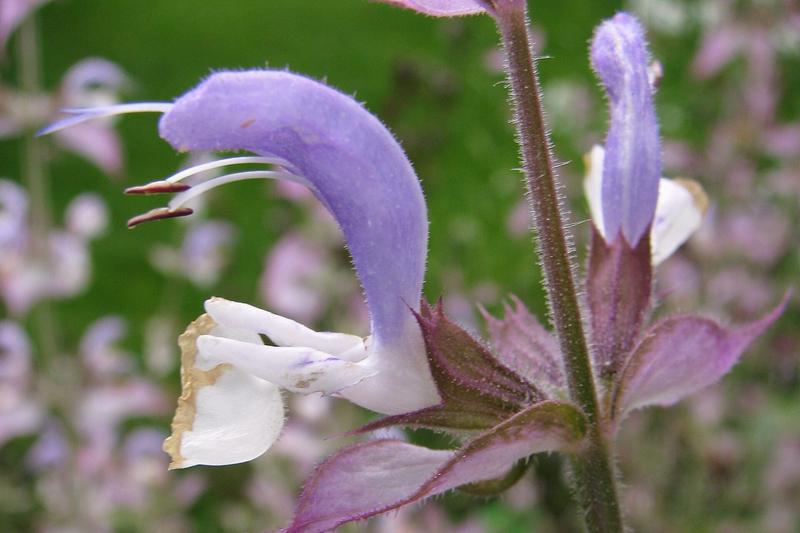
Quick facts
- Watering
- Fortnightly once established
- Sunlight
- Full sun
- Soil
- Well-drained, moderately fertile
- Humans
- Safe
- Cats
- Unknown
- Dogs
- Unknown
- Height
- 90–120 cm
- Spread
- 30–45 cm
- Spacing
- 45–60 cm apart
About Clary Sage
Clary sage is a striking biennial or short-lived perennial herb native to the Mediterranean and southern Europe, grown in UK gardens for its tall spikes of lilac-pink flowers and aromatic foliage. Reaching up to 1.2 metres in height, it produces large, wrinkled leaves in its first year before sending up dramatic flowering stems in its second season. UK gardeners value it for its ornamental appeal in herbaceous borders, its attraction to pollinators, and its traditional use in herbal medicine and essential oil production. The entire plant releases a distinctive musky fragrance when brushed or crushed.
UK fact: Clary sage has been cultivated in British monastery gardens since medieval times, where it was known as 'clear eye' due to its traditional use in treating eye ailments, and it thrives particularly well in the warmer, drier counties of southern England.
Watering Clary Sage
Water newly planted clary sage regularly during the first growing season to establish a deep root system, then reduce frequency significantly. Once established, plants are remarkably drought-tolerant and require watering only during prolonged dry spells in summer, approximately every two weeks if rainfall is absent. Overwatering is a common mistake in the UK's typically moist climate and can lead to root rot and poor performance. Allow the soil to dry out between waterings, as clary sage is adapted to Mediterranean conditions and dislikes constantly wet roots.
Sunlight requirements
Clary sage requires a position in full sun to produce its best flowering display and maintain compact, sturdy growth. In the UK, a south-facing or west-facing border is ideal, providing maximum light exposure throughout the growing season. Plants grown in shade become leggy, flower poorly, and are more susceptible to fungal diseases in our damp climate.
Soil and feeding
Clary sage thrives in well-drained soil and will not tolerate heavy clay or waterlogged conditions, which are fatal to the plant. It performs best in moderately fertile, neutral to slightly alkaline soil with a pH of 6.5-7.5, though it tolerates a range of soil types provided drainage is excellent. On heavy soils, improve drainage by incorporating horticultural grit or sharp sand, or grow in raised beds. Avoid overly rich, nitrogen-heavy soils which promote excessive leafy growth at the expense of flowers and can make plants floppy.
Clary sage requires minimal feeding and actually performs better in lean to moderately fertile soil. A single application of a balanced, slow-release fertiliser in early spring as growth begins is sufficient for the season. Avoid high-nitrogen feeds which produce lush foliage but weak stems and reduced flowering.
Pruning Clary Sage
Deadhead spent flower spikes promptly to prolong the flowering period and prevent excessive self-seeding, though some gardeners allow a few seeds to develop for natural regeneration. In autumn, after flowering has finished, cut back the entire plant to ground level, removing all stems and old foliage. As a biennial, clary sage typically dies after flowering in its second year, so pruning is primarily about tidying the garden and managing self-sown seedlings. Remove any winter-damaged foliage in early spring on overwintering plants.
Propagating Clary Sage
Clary sage is easily grown from seed sown directly outdoors in late spring after the last frost, or started indoors in modules 6-8 weeks before the last frost date for earlier flowering. Seeds germinate readily at 15-20°C within 14-21 days and require light to germinate, so barely cover them with compost. Transplant seedlings when large enough to handle, spacing them 45-60cm apart in their final positions. The plant self-seeds freely in favourable conditions, and volunteer seedlings can be transplanted in spring or autumn, providing a reliable supply of new plants without effort.
Common problems
Clary sage is generally trouble-free but can suffer from powdery mildew in humid conditions or when air circulation is poor, appearing as white powdery patches on leaves. Slugs and snails may damage young seedlings in spring, requiring protection with organic pellets or barriers. Root rot and crown rot can occur in poorly drained or waterlogged soil, particularly during wet UK winters, causing plants to collapse and die. Aphids occasionally colonise new growth and flower spikes but are easily controlled by encouraging natural predators or washing off with water.
Spot a problem with your plant? Photograph the affected area using the Loam app and it will suggest the most likely cause and treatment.
Safety
- Humans
- Safe
- Cats
-
Unknown
Some Salvia species may cause mild gastrointestinal upset if ingested in quantity; monitor pets and contact a vet if concerned.
- Dogs
-
Unknown
Some Salvia species may cause mild gastrointestinal upset if ingested in quantity; monitor pets and contact a vet if concerned.
Toxicity information is for general guidance only. If a pet has been exposed to this plant and you are concerned, seek advice from a vet.
Seasonal care calendar
Monthly care guide for Clary Sage in the UK, based on average conditions.
| Month | Care tasks |
|---|---|
| January | No action needed; plants are dormant or may have died back after flowering. |
| February | Check overwintering plants and remove any winter-damaged foliage. |
| March | Sow seeds indoors in modules for earlier flowering, or prepare outdoor seedbeds. |
| April | Continue indoor sowing; transplant earlier seedlings; apply slow-release fertiliser to established plants. |
| May | Sow seeds directly outdoors after last frost; transplant indoor-raised seedlings; protect young plants from slugs. |
| June | Water newly planted specimens regularly; second-year plants begin flowering. |
| July | Enjoy peak flowering; deadhead spent blooms to prolong display; water during dry spells. |
| August | Continue deadheading; allow some seed heads to develop if self-seeding is desired. |
| September | Collect ripe seeds for sowing; flowering finishes on most plants. |
| October | Cut back finished plants to ground level; transplant self-sown seedlings to desired positions. |
| November | Clear away plant debris; first-year plants form basal rosettes for overwintering. |
| December | No action needed; plants are dormant. |
Frequently asked questions
- Is clary sage a perennial or annual in the UK?
- Clary sage is typically a biennial in the UK, forming a leafy rosette in its first year, then flowering in its second summer before dying. Occasionally it behaves as a short-lived perennial in mild areas, surviving for a third year, and it self-seeds readily to provide continuity in the garden.
- Why isn't my clary sage flowering and what should I do?
- First-year plants won't flower as they're establishing their root system and foliage rosette. If a second-year plant isn't flowering, it may be in too much shade, overfed with nitrogen, or stressed by waterlogging. The Loam app can help diagnose the specific issue based on your growing conditions and provide personalised care adjustments.
- Can I harvest clary sage leaves for culinary use?
- While clary sage leaves are edible, they have a strong, somewhat bitter flavour and are rarely used in cooking, unlike common sage (Salvia officinalis). The plant is primarily grown for ornamental purposes and essential oil production rather than culinary use, though young leaves can be added sparingly to salads or used to make herbal tea.
Got a question about growing Clary Sage that isn't covered here? Ask the Garden Advisor in the Loam app. It knows your saved plants and local conditions.
Related plants
This page was compiled with AI assistance and reviewed by our team. .