Betony
Betonica officinalis
Wildflowers and Natives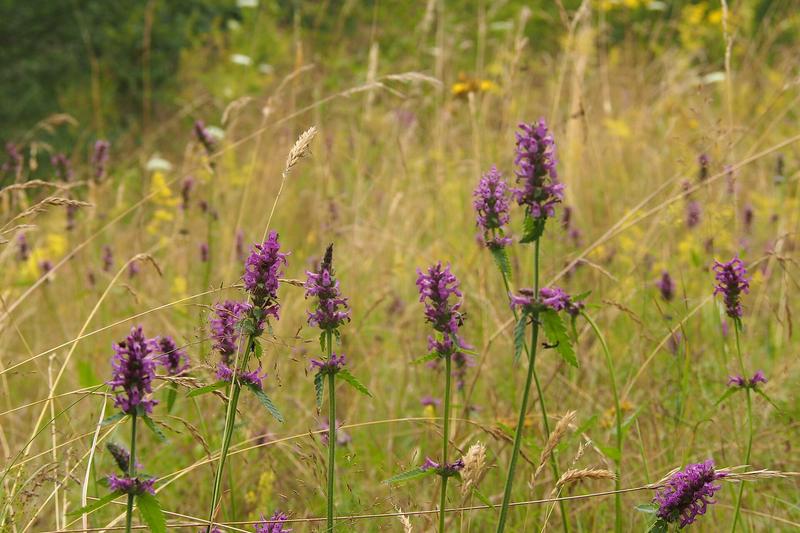
Quick facts
- Watering
- Fortnightly once established
- Sunlight
- Full sun to partial shade
- Soil
- Well-drained, neutral to alkaline
- Humans
- Safe
- Cats
- Safe
- Dogs
- Safe
- Height
- 30–60 cm
- Spread
- 30–45 cm
- Spacing
- 30–40 cm apart
About Betony
Betony is a charming British native perennial wildflower with distinctive spikes of magenta-pink flowers rising above rosettes of textured, heart-shaped leaves. Once widespread across UK meadows and woodland edges, it has become less common in the wild but thrives in cottage gardens and naturalistic plantings. UK gardeners value it for its long flowering season from June to September, its appeal to bees and butterflies, and its undemanding nature in both sun and partial shade. This herbaceous perennial was historically prized in British herbal medicine and folklore, making it a plant rich in cultural heritage.
UK fact: Betony was considered one of the most important medicinal herbs in medieval Britain, with the Anglo-Saxon herbal 'Lacnunga' listing it as a cure for 29 different ailments, and it was commonly planted in churchyards and monastery gardens throughout the country.
Watering Betony
Water regularly during the first growing season to establish a deep root system, typically once or twice weekly during dry spells. Once established, betony is remarkably drought-tolerant and requires watering only during prolonged dry periods in summer, roughly every two weeks if rainfall is scarce. In typical UK conditions with regular rainfall, mature plants rarely need supplementary watering except during exceptional droughts. Avoid waterlogging, particularly in winter, as this can lead to root rot.
Sunlight requirements
Betony performs best in full sun but tolerates partial shade, making it versatile for UK gardens with varying light conditions. In southern England, afternoon shade can help prevent stress during hot summers, whilst in northern regions full sun encourages the most prolific flowering. Plant in south or west-facing borders, or in dappled shade beneath deciduous trees where it mimics its natural woodland edge habitat.
Soil and feeding
Betony thrives in moderately fertile, well-drained soil with a neutral to slightly alkaline pH of 6.5-8.0, reflecting its preference for chalky grasslands in the wild. It tolerates a range of soil types including clay, loam, and chalk, provided drainage is adequate. Improve heavy clay soils by incorporating grit or sharp sand before planting to prevent winter waterlogging. Avoid overly rich or heavily fertilised soils, which can produce lush foliage at the expense of flowers and reduce the plant's natural resilience.
Betony requires minimal feeding and thrives in relatively poor to moderately fertile soils. A light application of well-rotted compost or leaf mould in early spring is sufficient, or a single feed with a balanced organic fertiliser in April. Avoid high-nitrogen feeds which promote excessive leafy growth and can make plants floppy and prone to flopping over.
Pruning Betony
Deadhead spent flower spikes regularly from July onwards to encourage a second flush of blooms and maintain a tidy appearance. Cut back the entire plant to basal foliage in late autumn (October-November) once flowering has finished and stems have died back, or leave seedheads standing through winter to provide food for birds and structural interest. In early spring (March), remove any remaining dead foliage to make way for fresh growth and tidy the clump.
Propagating Betony
Betony is easily propagated by division in early spring (March-April) or autumn (September-October), lifting established clumps and separating them into smaller sections with roots and shoots attached. Seed sowing is also straightforward: sow fresh seed in autumn in pots or modules and leave outdoors over winter for natural cold stratification, or sow in spring after stratifying seed in the fridge for 4-6 weeks. Germination can be slow and erratic, so division is the quickest method for increasing stock. Self-sown seedlings often appear around parent plants and can be transplanted when large enough to handle.
Common problems
Betony is largely trouble-free and resistant to most pests and diseases, making it an excellent choice for low-maintenance UK gardens. Slugs and snails may occasionally damage young spring growth, particularly in damp conditions, but established plants are rarely affected. Powdery mildew can appear on foliage in late summer during dry spells with poor air circulation, though this is usually cosmetic and doesn't significantly harm the plant. The main cultural problem is flopping in overly rich soil or shade, which can be prevented by growing in leaner soil and ensuring adequate light.
Spot a problem with your plant? Photograph the affected area using the Loam app and it will suggest the most likely cause and treatment.
Safety
- Humans
- Safe
- Cats
- Safe
- Dogs
- Safe
Toxicity information is for general guidance only.
Seasonal care calendar
Monthly care guide for Betony in the UK, based on average conditions.
| Month | Care tasks |
|---|---|
| January | No action needed; plant is fully dormant. |
| February | No action needed; wait for new growth to emerge. |
| March | Clear away dead foliage from last year. Divide established clumps if required. Apply light mulch of compost. |
| April | New rosettes of leaves emerge. Plant out divisions or pot-grown plants. Apply balanced organic fertiliser if desired. |
| May | Foliage fills out and flower spikes begin to develop. Water during dry spells to support flowering. |
| June | Flowering begins. Deadhead spent blooms to prolong display. Monitor for slugs on young growth. |
| July | Peak flowering period. Continue deadheading regularly. Water during prolonged dry spells. |
| August | Flowering continues. Deadhead to encourage late blooms or leave some seedheads to develop for self-sowing. |
| September | Flowering finishes. Collect seed if desired. Divide established clumps if required. Allow seedheads to stand for wildlife. |
| October | Cut back spent stems and foliage to ground level, or leave standing for winter interest and bird food. |
| November | Complete autumn tidy-up if not already done. Plant is entering dormancy. |
| December | No action needed; plant is dormant. |
Frequently asked questions
- When does betony flower in the UK?
- Betony flowers from June through to September in UK gardens, with the main flush of magenta-pink blooms appearing in July and August. Regular deadheading encourages continuous flowering throughout this period, and plants may produce a second flush in early autumn if cut back after the first flowering.
- Why is my betony not flowering well?
- Poor flowering in betony is usually caused by too much shade, overly rich soil, or lack of deadheading. The Loam app can help you diagnose the specific issue based on your growing conditions and provide personalised advice on improving light levels, adjusting soil fertility, or optimising your maintenance routine for better blooms.
- Is betony good for wildlife in UK gardens?
- Yes, betony is excellent for British wildlife, particularly bees, butterflies, and other pollinating insects which are attracted to its nectar-rich flowers throughout summer. The seedheads provide food for finches and other seed-eating birds in autumn and winter, making it a valuable addition to wildlife-friendly and naturalistic planting schemes.
Got a question about growing Betony that isn't covered here? Ask the Garden Advisor in the Loam app. It knows your saved plants and local conditions.
Related plants
This page was compiled with AI assistance and reviewed by our team. .