Agrimony
Agrimonia eupatoria
Herbs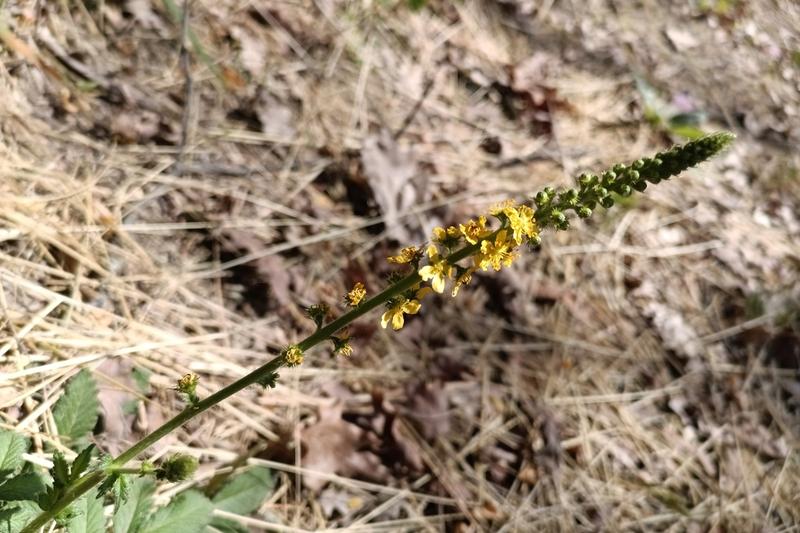
Quick facts
- Watering
- Fortnightly once established
- Sunlight
- Full sun to partial shade
- Soil
- Well-drained, neutral to alkaline
- Humans
- Safe
- Cats
- Unknown
- Dogs
- Unknown
- Height
- 30–90 cm
- Spread
- 30–45 cm
- Spacing
- 30–40 cm apart
About Agrimony
Agrimony is a hardy perennial herb native to the British Isles, characterised by tall spikes of small yellow flowers and pinnate leaves with a distinctive apricot-like scent when crushed. Growing 30–90 cm tall, this traditional medicinal herb has been used in British folk medicine for centuries and thrives in hedgerows, field margins, and wildflower meadows across the UK. UK gardeners value agrimony for its wildlife-friendly flowers, low-maintenance nature, and historical significance in herbal remedies. It naturalises well in cottage gardens and meadow plantings, providing nectar for bees and butterflies throughout summer.
UK fact: Agrimony has been used in British herbal medicine since Anglo-Saxon times and appears in medieval manuscripts as a remedy for wounds and digestive complaints, earning it the folk name 'church steeples' due to its distinctive flower spikes.
Watering Agrimony
Water newly planted agrimony weekly during the first growing season to establish a deep root system. Once established, this drought-tolerant herb requires watering only during prolonged dry spells, typically every two weeks in summer if rainfall is scarce. Agrimony is well-adapted to British rainfall patterns and rarely needs supplementary watering in most UK regions. Avoid overwatering, as soggy soil encourages root rot and reduces the concentration of beneficial compounds in the foliage.
Sunlight requirements
Agrimony performs best in full sun but tolerates partial shade, particularly in southern UK gardens where afternoon shade prevents leaf scorch during hot summers. In northern regions, choose the sunniest spot available to encourage robust flowering. Avoid deep shade, which results in weak, leggy growth and reduced flowering.
Soil and feeding
Agrimony thrives in well-drained, moderately fertile soil with a neutral to slightly alkaline pH (6.5–7.5), reflecting its natural habitat on chalky grasslands and limestone soils. It tolerates poor, dry soils and even clay if drainage is adequate, making it ideal for challenging UK garden conditions. Improve heavy clay by incorporating grit or sharp sand before planting. Avoid rich, moisture-retentive soils, which promote excessive leafy growth at the expense of flowers and can lead to fungal issues in wet British summers.
Agrimony requires minimal feeding and thrives in nutrient-poor conditions. A light application of general-purpose organic fertiliser in early spring is sufficient for container-grown plants. Avoid high-nitrogen feeds, which encourage soft, disease-prone growth and dilute the aromatic oils valued in herbal use.
Pruning Agrimony
Cut back flowering stems after blooming in late summer to prevent self-seeding if desired, though agrimony rarely becomes invasive. Deadheading spent flower spikes encourages a second flush of blooms in favourable conditions. In late autumn or early spring, cut all growth back to ground level to tidy the plant and make way for fresh foliage. Remove any damaged or diseased leaves throughout the growing season to maintain plant health.
Propagating Agrimony
Agrimony is easily propagated from seed sown in autumn or spring directly outdoors or in modules under cover. Autumn-sown seed benefits from natural cold stratification over winter, improving germination rates. Alternatively, divide established clumps in early spring or autumn, ensuring each division has healthy roots and several growing points. Seed-grown plants typically flower in their second year, while divisions may bloom in their first season if taken from mature plants.
Common problems
Agrimony is largely trouble-free in UK gardens, with few serious pest or disease issues. Powdery mildew may appear on foliage during dry spells followed by humid conditions, particularly in crowded plantings with poor air circulation; improve spacing and avoid overhead watering. Aphids occasionally colonise young shoots in spring but rarely cause significant damage and can be controlled with a strong water spray or by encouraging natural predators. Slugs may nibble emerging shoots in damp conditions; protect young plants with organic slug pellets or barriers if necessary.
Spot a problem with your plant? Photograph the affected area using the Loam app and it will suggest the most likely cause and treatment.
Safety
- Humans
- Safe
- Cats
-
Unknown
No documented toxicity, but agrimony is not commonly consumed by cats; monitor for unusual reactions if ingested.
- Dogs
-
Unknown
No documented toxicity, but agrimony is not commonly consumed by dogs; monitor for unusual reactions if ingested.
Toxicity information is for general guidance only. If a pet has been exposed to this plant and you are concerned, seek advice from a vet.
Seasonal care calendar
Monthly care guide for Agrimony in the UK, based on average conditions.
| Month | Care tasks |
|---|---|
| January | No action needed; plant is dormant. |
| February | Prepare planting sites by weeding and improving drainage if needed. |
| March | Sow seed outdoors or divide established clumps. Cut back old growth to ground level. |
| April | Plant out container-grown specimens. Water new plantings during dry spells. |
| May | Thin seedlings to final spacing. Monitor for aphids on young growth. |
| June | Flowering begins. Water during prolonged dry periods. |
| July | Peak flowering period. Harvest leaves and flowers for herbal use if desired. |
| August | Deadhead spent flowers to encourage repeat blooming or allow seed to set for wildlife. |
| September | Collect ripe seed for propagation. Divide established clumps if needed. |
| October | Sow seed outdoors for spring germination. Cut back faded growth or leave for winter interest. |
| November | Clear away dead foliage if not done earlier. Mulch around plants in exposed sites. |
| December | No action needed; plant is dormant. |
Frequently asked questions
- Can I grow agrimony in a container?
- Yes, agrimony grows well in containers at least 30 cm deep with good drainage. Use a loam-based compost and position in full sun. Container plants require more frequent watering than those in the ground, particularly during summer, but still prefer to dry out slightly between waterings.
- Why isn't my agrimony flowering?
- Agrimony may fail to flower due to insufficient sunlight, overly rich soil, or being too young (seed-grown plants typically flower in their second year). The Loam app can help diagnose specific issues based on your growing conditions and provide personalised care reminders to optimise flowering.
- When should I harvest agrimony for herbal use?
- Harvest agrimony leaves and flowers just as the flower spikes begin to open, typically in July, when the concentration of beneficial compounds is highest. Cut stems in the morning after dew has dried, and dry in a warm, well-ventilated space away from direct sunlight for best results.
Got a question about growing Agrimony that isn't covered here? Ask the Garden Advisor in the Loam app. It knows your saved plants and local conditions.
Related plants
This page was compiled with AI assistance and reviewed by our team. .