Alchemilla
Alchemilla mollis
Perennials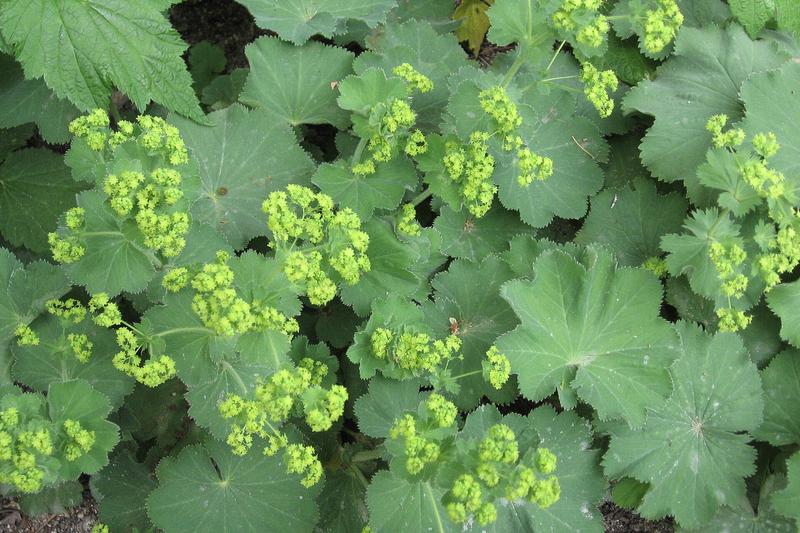
Quick facts
- Watering
- Weekly during dry spells
- Sunlight
- Full sun to partial shade
- Soil
- Moist, well-drained, fertile soil
- Humans
- Safe
- Cats
- Safe
- Dogs
- Safe
- Height
- 30–50 cm
- Spread
- 45–60 cm
- Spacing
- 45–60 cm apart
- RHS recognition
- Award of Garden Merit
About Alchemilla
Alchemilla mollis is a charming herbaceous perennial prized for its soft, pleated leaves that catch dewdrops like jewels and frothy lime-green flowers that appear from late spring. Native to the mountains of Eastern Europe and Asia Minor, it has become a cottage garden staple across the UK. British gardeners value it as an excellent ground cover for edging borders, filling gaps in paving, and softening hard landscaping with its gentle, billowing habit.
UK fact: Alchemilla mollis holds the RHS Award of Garden Merit and has naturalised so successfully in British gardens that it frequently self-seeds in gravel paths and between paving stones, creating the relaxed, informal look beloved in traditional English cottage gardens.
Watering Alchemilla
Water newly planted alchemilla weekly for the first growing season to establish a strong root system. Once established, plants are reasonably drought-tolerant but perform best with consistent moisture, particularly during the flowering period from May to July. During typical British summers, rainfall is usually sufficient, but water weekly during dry spells to maintain the lush foliage. Avoid overhead watering in the evening as wet leaves overnight can encourage fungal issues.
Sunlight requirements
This adaptable perennial tolerates full sun in northern and western Britain where summers are cooler, but appreciates some afternoon shade in warmer southern counties to prevent leaf scorch. East-facing borders are ideal, providing morning light whilst protecting from intense afternoon sun. In shadier spots, flowering may be slightly reduced but foliage remains attractive.
Soil and feeding
This adaptable perennial grows in most soil types from clay to sandy loam, provided drainage is reasonable. It performs best in fertile, humus-rich soil that retains moisture without becoming waterlogged. A neutral to slightly alkaline pH of 6.5-7.5 is ideal, though it tolerates a range from slightly acidic to alkaline. Improve heavy clay with organic matter and grit, whilst sandy soils benefit from generous additions of compost or well-rotted manure to improve moisture retention.
Feed alchemilla in March with a general-purpose granular fertiliser such as blood, fish and bone, scattering around the base of plants. Alternatively, apply a 5cm mulch of garden compost or well-rotted manure in early spring, which feeds the soil whilst suppressing weeds and retaining moisture. Avoid high-nitrogen feeds which promote excessive leaf growth at the expense of flowers.
Pruning Alchemilla
After the main flowering flush in June or July, cut back the entire plant to ground level using shears or a strimmer on a high setting. This prevents unwanted self-seeding, removes tired foliage, and stimulates a fresh mound of attractive leaves that remains presentable until winter. Deadheading individual flower stems is impractical given the abundance of blooms. In late autumn or early spring, tidy away any remaining dead foliage before new growth emerges.
Propagating Alchemilla
Division is the quickest method, yielding flowering-sized plants within a season. Lift established clumps in March or September, tease apart into sections with roots and shoots, and replant immediately. Alchemilla self-seeds prolifically, and seedlings can be transplanted when small or potted up for friends. Seed can also be collected when ripe in late summer and sown fresh in pots outdoors, though plants may take two years to reach flowering size.
Common problems
Alchemilla is remarkably trouble-free with few serious pest or disease problems in UK gardens. Aphids occasionally colonise young growth and flower stems in spring but rarely cause significant damage and can be hosed off or left for natural predators. The main issue is excessive self-seeding, which can become invasive if flowers are not cut back promptly after blooming. In very wet summers or poorly drained sites, leaf spot may occasionally appear but is usually cosmetic and resolved by improving drainage and air circulation.
Spot a problem with your plant? Photograph the affected area using the Loam app and it will suggest the most likely cause and treatment.
Safety
- Humans
- Safe
- Cats
- Safe
- Dogs
- Safe
Toxicity information is for general guidance only.
Seasonal care calendar
Monthly care guide for Alchemilla in the UK, based on average conditions.
| Month | Care tasks |
|---|---|
| January | No action needed; plants are dormant with minimal top growth visible. |
| February | Clear away any remaining dead foliage as new growth begins to emerge in mild spells. |
| March | Apply balanced fertiliser or mulch with compost. Divide established clumps if required. Transplant self-sown seedlings. |
| April | Fresh foliage expands rapidly. Water during dry spells and watch for aphids on emerging growth. |
| May | Flowering begins with frothy lime-green blooms. Ensure adequate moisture to support flowering. |
| June | Peak flowering period. Enjoy the display and monitor for signs of self-seeding if unwanted. |
| July | Shear back faded flowers and tired foliage to ground level to prevent self-seeding and encourage fresh growth. |
| August | Fresh mound of foliage regrows after cutting back. Water during prolonged dry spells. |
| September | Divide established clumps if needed. Collect and sow seed if propagating, or pot up self-sown seedlings. |
| October | Foliage remains attractive. Reduce watering as growth slows and temperatures drop. |
| November | Foliage begins to decline. Leave in place for winter interest or tidy away if preferred. |
| December | Plants enter dormancy. No action needed; established plants are fully hardy. |
Frequently asked questions
- When should I cut back alchemilla?
- Cut back alchemilla after flowering in July to prevent prolific self-seeding throughout the garden. Remove the entire plant to ground level using shears. This encourages fresh, compact foliage regrowth and stops unwanted seedlings appearing in borders and paving cracks. A second, lighter trim in autumn tidies the plant before winter.
- Why are my alchemilla leaves turning brown?
- Brown leaves on alchemilla usually indicate drought stress during hot, dry periods, or occasionally waterlogging in heavy soil. Check soil moisture levels and adjust watering accordingly. The Loam app can help you diagnose foliage problems with photo identification, set personalised watering reminders based on your conditions, and provide tailored care advice for your specific garden environment.
- Can I grow alchemilla from seed?
- Yes, alchemilla grows easily from seed. Sow fresh seed in autumn directly where you want plants to grow, or in pots outdoors to overwinter. Seeds need cold stratification to germinate in spring. Alternatively, collect self-sown seedlings from around established plants in spring and transplant them. Plants grown from seed typically flower in their second year.
Got a question about growing Alchemilla that isn't covered here? Ask the Garden Advisor in the Loam app. It knows your saved plants and local conditions.
Related plants
This page was compiled with AI assistance and reviewed by our team. .