Astrantia
Astrantia major
Perennials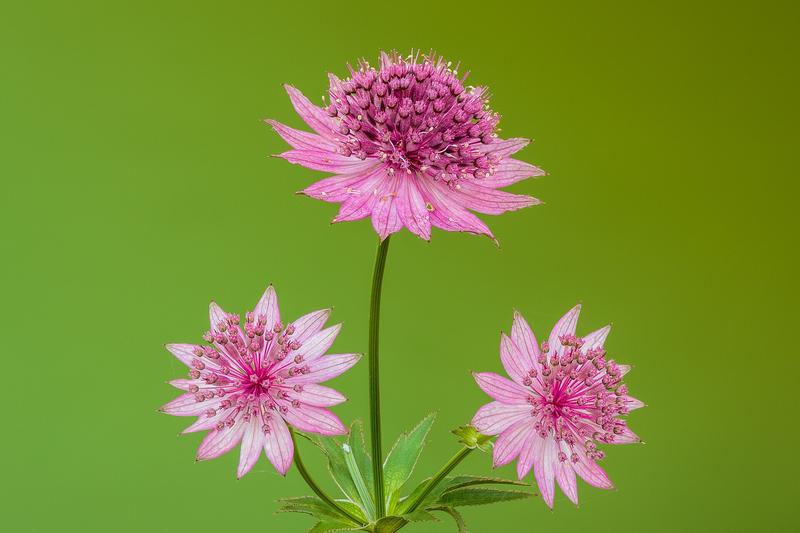
Quick facts
- Watering
- Weekly during dry spells
- Sunlight
- Partial shade to full sun
- Soil
- Moist, humus-rich, well-drained
- Humans
- Safe
- Cats
- Safe
- Dogs
- Safe
- Height
- 45–90 cm
- Spread
- 30–45 cm
- Spacing
- 40–50 cm apart
- RHS recognition
- Award of Garden Merit
About Astrantia
Astrantia is a charming cottage garden perennial native to central and eastern Europe, prized for its distinctive pincushion-like flowers surrounded by papery bracts. Flowering from late spring through summer, it produces delicate blooms in shades of pink, white, and deep burgundy that are beloved by pollinators and excellent for cutting. UK gardeners value astrantia for its ability to thrive in partial shade and moisture-retentive soils where many other perennials struggle. Its long flowering season and low-maintenance nature make it an essential plant for woodland gardens and shady borders throughout Britain.
UK fact: Astrantia major has received the RHS Award of Garden Merit, and several cultivars including 'Claret' and 'Roma' are particularly well-suited to British gardens, thriving in our cool, moist climate better than in hotter, drier regions.
Watering Astrantia
Astrantia requires reliable moisture and will not tolerate prolonged drought, particularly when in flower from May to August. In typical British summers, established plants need little supplemental watering except during dry spells, when weekly deep watering is beneficial. Mulching around the base helps retain moisture and keeps roots cool. Plants in sunnier positions or free-draining soils will need more frequent watering than those in shade or heavier soils.
Sunlight requirements
In the UK, astrantia thrives in dappled shade or positions receiving morning sun and afternoon shade, making it ideal for east-facing borders. In cooler northern regions and Scotland, plants can tolerate more sun provided they don't dry out. Avoid deep shade under dense tree canopies, as this reduces flowering and can lead to weak, leggy growth.
Soil and feeding
The ideal soil is rich in organic matter with good moisture retention but adequate drainage to prevent winter waterlogging. Astrantia performs exceptionally well in the heavier clay loams common across much of the UK, provided you incorporate compost or well-rotted manure at planting. It tolerates a wide pH range from slightly acidic to slightly alkaline (pH 6.0-7.5). On lighter, sandy soils, add plenty of organic matter to improve water retention and mulch annually to maintain soil moisture.
Feed astrantia in March with a general-purpose granular fertiliser such as blood, fish and bone, scattering it around the base of established clumps. A 5cm layer of well-rotted compost or manure applied as a mulch in spring provides slow-release nutrients and improves soil structure. Avoid high-nitrogen feeds which promote foliage at the expense of flowers.
Pruning Astrantia
Remove spent flower stems throughout summer to encourage a second flush of blooms and prevent self-seeding if not desired. After the first main flowering in June, cut back flowered stems to basal foliage to promote fresh growth and repeat flowering. In late autumn, once foliage has died back, cut plants down to ground level, or leave until early spring to provide winter interest and habitat for beneficial insects. Divide congested clumps every three to four years in spring to maintain vigour.
Propagating Astrantia
Division is the most reliable method and should be carried out in March or April as new growth emerges. Lift established clumps with a fork, tease apart or cut into sections ensuring each has roots and shoots, then replant immediately. Seed can be sown fresh in autumn in pots outdoors, as it requires a cold period to germinate, with seedlings appearing the following spring. Named cultivars do not come true from seed and must be divided to maintain characteristics.
Common problems
Astrantia is generally trouble-free but can occasionally suffer from powdery mildew in dry conditions, appearing as white powdery patches on leaves. Ensure adequate watering and air circulation to prevent this. Slugs and snails may damage young growth in spring, so use organic controls or barriers if necessary. Aphids can cluster on flower stems in early summer but rarely cause serious harm and can be hosed off with water. Plants may self-seed prolifically if not deadheaded, which can become weedy in smaller gardens.
Spot a problem with your plant? Photograph the affected area using the Loam app and it will suggest the most likely cause and treatment.
Safety
- Humans
- Safe
- Cats
- Safe
- Dogs
- Safe
Toxicity information is for general guidance only.
Seasonal care calendar
Monthly care guide for Astrantia in the UK, based on average conditions.
| Month | Care tasks |
|---|---|
| January | No action needed. Plants are fully dormant. |
| February | Check mulch is in place and prepare planting areas for new divisions. |
| March | Cut back old foliage if not done in autumn. Divide established clumps. Apply balanced fertiliser and refresh mulch. |
| April | New growth emerges. Plant out divisions. Water during dry spells and watch for slug damage on young shoots. |
| May | Early flowering begins. Ensure soil remains moist. Stake taller varieties if needed in exposed positions. |
| June | Peak flowering period. Deadhead spent blooms regularly to prolong display. Water weekly in dry weather. |
| July | Continue deadheading. Cut back flowered stems to basal foliage to encourage second flush. Maintain consistent watering. |
| August | Second flowering occurs. Deadhead regularly. Collect seed if desired or remove to prevent self-seeding. |
| September | Flowering continues into early autumn. Reduce watering as temperatures cool. Allow some seedheads for winter interest if desired. |
| October | Flowering finishes. Leave seedheads for wildlife or cut back spent stems. Plan divisions for spring. |
| November | Cut back faded foliage to ground level or leave until spring. Apply mulch around crowns for winter protection. |
| December | No action needed. Plants are dormant. |
Frequently asked questions
- When should I divide astrantia?
- Divide astrantia in early spring (March-April) as new growth emerges. This timing allows divisions to establish before summer and ensures they'll flower the same year. Autumn division is possible but spring is more reliable in the UK climate.
- Why are my astrantia leaves turning brown?
- Brown, crispy leaf edges indicate drought stress, common during hot, dry spells. Astrantia needs consistent moisture, especially when flowering. Water deeply during dry weather and apply mulch to retain moisture. The Loam app can help you track watering schedules and diagnose leaf problems with personalised care reminders based on your local weather conditions.
- How do I stop astrantia self-seeding everywhere?
- Deadhead spent flowers regularly throughout summer before seeds develop and disperse. Cut back flowered stems to basal foliage after the main flush in June. If seedlings do appear, they're easy to pull up when young or can be transplanted elsewhere.
Got a question about growing Astrantia that isn't covered here? Ask the Garden Advisor in the Loam app. It knows your saved plants and local conditions.
Related plants
This page was compiled with AI assistance and reviewed by our team. .