Aquilegia
Aquilegia vulgaris
Perennials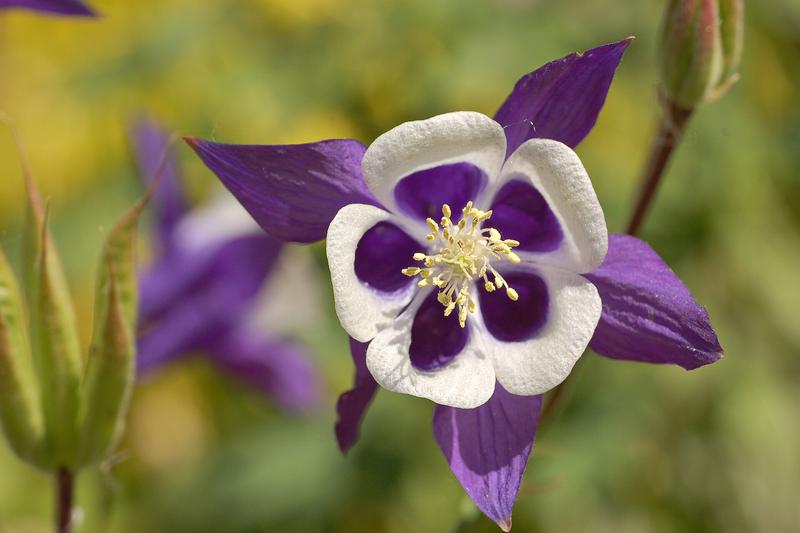
Quick facts
- Watering
- Weekly during dry spells
- Sunlight
- Partial shade to full sun
- Soil
- Moist, well-drained, humus-rich
- Humans
- Toxic
- Cats
- Toxic
- Dogs
- Toxic
- Height
- 60–90 cm
- Spread
- 30–45 cm
- Spacing
- 30–40 cm apart
- RHS recognition
- Award of Garden Merit
About Aquilegia
Aquilegia, also known as Granny's Bonnet, is a charming cottage garden perennial native to British woodlands and meadows. Its distinctive nodding flowers with spurred petals appear in late spring to early summer in shades of blue, purple, pink, white, and bicolours, held above delicate ferny foliage. UK gardeners prize aquilegia for its ability to naturalise in borders and woodland gardens, self-seeding freely to create drifts of colour. This short-lived perennial is perfect for adding vertical interest and a romantic, informal feel to shady corners where many other flowering plants struggle.
UK fact: Aquilegia vulgaris is one of Britain's native wildflowers, historically found in damp woodlands and limestone grasslands across England and Wales, and several cultivars hold the RHS Award of Garden Merit for exceptional garden performance.
Watering Aquilegia
Water aquilegia regularly during spring and early summer when actively growing and flowering, particularly during dry periods. Established plants are reasonably drought-tolerant but perform best with consistent moisture, especially in sunnier spots or free-draining soils. In typical British summers, rainfall is often sufficient, but container-grown specimens and newly planted aquilegias will need weekly watering. Reduce watering after flowering when plants become semi-dormant, but don't allow the soil to dry out completely.
Sunlight requirements
In British gardens, aquilegia performs best in dappled shade or morning sun with afternoon protection, mimicking its natural woodland habitat. Plants grown in full sun in southern England will need consistent moisture and may have a shorter flowering period. North-facing borders or the dappled shade beneath deciduous trees provide ideal conditions, though avoid deep shade which reduces flowering.
Soil and feeding
Grow aquilegia in humus-rich, moisture-retentive soil that drains freely, as waterlogged conditions in winter can cause crown rot. The ideal soil is slightly acidic to neutral (pH 5.5-7.0), though plants tolerate mildly alkaline conditions. Improve heavy clay soils with well-rotted compost or leaf mould to enhance drainage, and dig organic matter into sandy soils to improve moisture retention. A mulch of garden compost applied in spring helps maintain soil moisture and suppresses weeds around the shallow root system.
Feed aquilegia in early spring as new growth emerges, using a general-purpose balanced fertiliser or sprinkling blood, fish and bone around the base of plants. A spring mulch of well-rotted compost or leaf mould provides slow-release nutrients throughout the growing season. Avoid high-nitrogen feeds which promote foliage at the expense of flowers and can make plants more susceptible to aphid attack.
Pruning Aquilegia
Remove faded flower stems after blooming to prevent unwanted self-seeding, though leave some seedheads if you want plants to naturalise. Cut back foliage to ground level in autumn once it becomes unsightly, or leave until late winter if you prefer a tidier approach during the growing season. Aquilegia foliage often develops powdery mildew or leaf miner damage by midsummer; cutting affected leaves back to the base encourages fresh growth. These short-lived perennials naturally decline after 3-4 years, so allow some self-seeding to maintain displays.
Propagating Aquilegia
Propagate aquilegia from seed for the most reliable results, as plants are short-lived and division is often unsuccessful. Sow fresh seed in late spring or early summer for flowering the following year, or allow plants to self-seed naturally. Named varieties rarely come true from seed due to promiscuous cross-pollination, so expect colour variation in seedlings. Division is possible in early spring but aquilegias have deep taproots that resent disturbance, making this method less successful than seed propagation.
Common problems
Aquilegia is susceptible to aquilegia sawfly larvae, which can rapidly defoliate plants in late spring and summer; inspect regularly and remove caterpillars by hand or use an organic insecticide. Leaf miners create distinctive white tunnels through foliage, though damage is mainly cosmetic; remove affected leaves promptly. Powdery mildew often appears on foliage in late summer, particularly in dry conditions or crowded plantings; improve air circulation and cut back affected growth. Aphids may cluster on young shoots and flower buds in spring, causing distorted growth; squash by hand or spray with an organic soap solution.
Spot a problem with your plant? Photograph the affected area using the Loam app and it will suggest the most likely cause and treatment.
Safety
- Humans
-
Toxic
All parts of aquilegia contain toxic compounds including cardiogenic toxins and can cause gastric upset if ingested. Handle with care and keep away from children.
- Cats
-
Toxic
Aquilegia is toxic to cats and can cause vomiting, diarrhoea, and cardiac symptoms if consumed in quantity.
- Dogs
-
Toxic
Toxic to dogs, causing gastrointestinal upset and potentially more serious cardiac effects if large amounts are eaten.
Toxicity information is for general guidance only. If a person or pet has been exposed to this plant and you are concerned, seek advice from a medical professional or vet.
Seasonal care calendar
Monthly care guide for Aquilegia in the UK, based on average conditions.
| Month | Care tasks |
|---|---|
| January | No action needed. Plants are dormant with minimal or no top growth visible. |
| February | Watch for new foliage emerging in mild spells. Clear away any remaining dead leaves from around the crown. |
| March | Apply a balanced fertiliser as new growth appears. Mulch around plants with compost. Sow seed in trays if starting early under cover. |
| April | Water during dry spells as flower stems develop. Watch for aphids on emerging buds and treat if necessary. Plant out autumn-sown seedlings. |
| May | Enjoy the main flowering period. Stake taller varieties if needed in exposed positions. Check for sawfly larvae and remove by hand. |
| June | Deadhead spent flowers to prevent excessive self-seeding or leave some seedheads to naturalise. Continue monitoring for sawfly and leaf miner damage. Sow fresh seed outdoors. |
| July | Cut back tatty, mildewed foliage to encourage fresh growth. Collect ripe seed if propagating. Water container plants regularly. |
| August | Remove diseased or damaged foliage. Allow self-sown seedlings to establish in desired areas, thin out excess. Transplant young seedlings to final positions if large enough. |
| September | Plant out spring-sown seedlings into final positions. Divide congested clumps if necessary, though success rates are variable. |
| October | Cut back remaining foliage to ground level or leave until late winter. Mulch around crowns with compost or leaf mould. |
| November | Tidy borders and remove any remaining dead foliage if not already done. Protect young plants from excessive winter wet with grit around the crown. |
| December | No action needed. Plants are fully dormant. Plan new planting schemes for spring. |
Frequently asked questions
- When should I cut back aquilegia after flowering?
- Cut back aquilegia flower stems to the base as soon as blooms fade, typically from late June through July. This prevents unwanted self-seeding and keeps plants tidy. You can also cut back tatty foliage to ground level in late summer to encourage fresh growth, though leave some stems if you want controlled self-seeding for next year's display.
- Why are my aquilegia leaves covered in white squiggly lines?
- This is damage from aquilegia leaf miner larvae, which tunnel through the foliage creating distinctive white trails. Remove and destroy affected leaves promptly to reduce populations, though damage is mainly cosmetic and doesn't seriously harm established plants. If you're unsure about leaf problems or need help identifying other issues, the Loam app can diagnose plant health concerns and provide personalised care advice.
- What soil conditions do aquilegia prefer?
- Aquilegia thrives in moist but well-drained soil enriched with organic matter. They tolerate a wide range of soil types from clay to chalk, preferring neutral to slightly alkaline conditions (pH 6.5-7.5). Improve heavy clay with grit and compost for drainage, and add organic matter to sandy soils to retain moisture. Avoid waterlogged conditions which can cause root rot.
Got a question about growing Aquilegia that isn't covered here? Ask the Garden Advisor in the Loam app. It knows your saved plants and local conditions.
Related plants
This page was compiled with AI assistance and reviewed by our team. .