Bellflower
Campanula lactiflora
Perennials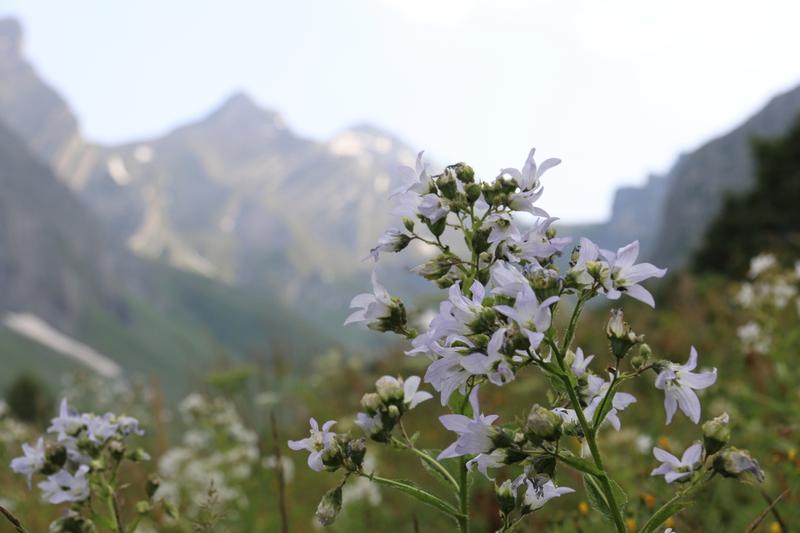
Quick facts
- Watering
- Weekly during dry spells
- Sunlight
- Full sun to partial shade
- Soil
- Moist, well-drained, fertile
- Humans
- Safe
- Cats
- Safe
- Dogs
- Safe
- Height
- 90–150 cm
- Spread
- 45–60 cm
- Spacing
- 45–60 cm apart
- RHS recognition
- Award of Garden Merit
About Bellflower
Campanula lactiflora is a tall, elegant perennial producing masses of bell-shaped flowers in shades of blue, lavender, or white from early to late summer. Native to the Caucasus and Turkey, this robust bellflower has become a cottage garden favourite across the UK, valued for its long flowering season and ability to thrive in British conditions. Growing up to 1.5 metres tall, it creates impressive vertical interest in herbaceous borders and attracts bees and butterflies throughout summer. Its graceful stems require no staking in most UK gardens, making it a low-maintenance choice for both traditional and contemporary planting schemes.
UK fact: Campanula lactiflora received the Royal Horticultural Society's Award of Garden Merit, recognising its outstanding performance in British gardens and its reliability across diverse UK climates from Cornwall to the Scottish Lowlands.
Watering Bellflower
Once established, bellflowers are reasonably drought-tolerant but perform best with consistent moisture during the growing season. Water deeply once weekly during dry periods from April to September, ensuring the soil remains evenly moist but never waterlogged. In typical British summers with regular rainfall, supplementary watering is rarely needed except during prolonged dry spells. Newly planted specimens require more frequent watering during their first season until roots establish, particularly if planted in spring or early summer.
Sunlight requirements
Campanula lactiflora performs best in full sun but tolerates partial shade, particularly in warmer southern counties where afternoon shade prevents stress during hot spells. In northern Britain, choose the sunniest position available to maximise flowering. South or west-facing borders are ideal, though plants in east-facing positions will still flower well if they receive at least four hours of direct sunlight daily.
Soil and feeding
Campanula lactiflora thrives in fertile, moisture-retentive soil that drains freely, making it well-suited to the loamy soils common in many UK gardens. It tolerates a wide pH range from slightly acidic to slightly alkaline (pH 6.0-7.5), performing equally well in neutral conditions. Improve heavy clay soils with organic matter and grit to enhance drainage, whilst sandy soils benefit from generous additions of compost or well-rotted manure to improve moisture retention. Avoid waterlogged sites, particularly in winter, as this can lead to crown rot.
Apply a balanced general-purpose fertiliser such as blood, fish and bone in early spring as new growth emerges, using approximately 70g per square metre. A second light feed in early June supports the extended flowering period. Mulch annually with garden compost or well-rotted manure in autumn to maintain soil fertility and moisture retention.
Pruning Bellflower
Deadhead spent flower stems regularly throughout summer to prolong flowering and prevent self-seeding, which can be prolific in favourable conditions. Cut back the entire plant to ground level in late autumn once foliage has died back, or leave until late winter if you prefer to provide winter habitat for beneficial insects. For a second flush of flowers, cut stems back by half immediately after the first flowering finishes in July. Remove any damaged or diseased foliage promptly throughout the growing season.
Propagating Bellflower
Campanula lactiflora is easily propagated by division in early spring (March to April) or autumn (September to October), lifting established clumps and separating them into sections with healthy roots and shoots. Division every three to four years rejuvenates plants and maintains vigour. Alternatively, take basal cuttings in spring when shoots are 5-8cm tall, rooting them in a mix of equal parts peat-free compost and sharp sand in a cold frame. Plants can also be grown from seed sown in pots in a cold frame in spring, though cultivars may not come true to type and seedlings take two years to reach flowering size.
Common problems
Campanula lactiflora is generally trouble-free but can be affected by slugs and snails, which target emerging shoots in spring; protect young growth with organic slug pellets or copper barriers. Powdery mildew may appear on foliage during dry summers, particularly on plants in poor air circulation; improve spacing and avoid overhead watering to reduce risk. Rust can occasionally affect leaves, causing orange pustules; remove and destroy affected foliage promptly. In very wet winters, crown rot may occur in poorly drained soils, so ensure adequate drainage when planting.
Spot a problem with your plant? Photograph the affected area using the Loam app and it will suggest the most likely cause and treatment.
Safety
- Humans
- Safe
- Cats
- Safe
- Dogs
- Safe
Toxicity information is for general guidance only.
Seasonal care calendar
Monthly care guide for Bellflower in the UK, based on average conditions.
| Month | Care tasks |
|---|---|
| January | No action needed. Plant is fully dormant. |
| February | Clear away any remaining dead foliage if not done in autumn. Prepare planting sites with compost. |
| March | Apply balanced fertiliser as new shoots emerge. Divide established clumps. Take basal cuttings. Plant new specimens. |
| April | Protect emerging shoots from slugs and snails. Water new plantings regularly. Continue taking basal cuttings. |
| May | Water during dry spells. Apply mulch around plants. Stake very tall varieties if needed in exposed sites. |
| June | Apply light feed to support flowering. Begin deadheading as first flowers fade. Water regularly in dry weather. |
| July | Continue deadheading to prolong display. Cut back by half after first flush for second flowering. Water during dry spells. |
| August | Deadhead regularly. Water during prolonged dry periods. Watch for powdery mildew and treat if necessary. |
| September | Continue deadheading late flowers. Divide established clumps if needed. Plant new specimens. |
| October | Cut back spent stems to ground level or leave for winter interest. Apply autumn mulch of compost or manure. |
| November | Complete cutting back if not already done. Tidy borders and remove debris. |
| December | No action needed. Plant is dormant. |
Frequently asked questions
- When should I cut back Campanula lactiflora?
- Cut back Campanula lactiflora to ground level in late autumn once foliage has died back, or wait until late winter if you prefer to leave stems for winter interest and wildlife habitat. For a second flush of flowers, cut stems back by half immediately after the first flowering finishes in July.
- Why isn't my bellflower flowering as well as it used to?
- Reduced flowering often indicates the clump needs dividing, insufficient sunlight, or poor soil fertility. The Loam app can help you track flowering performance year-on-year and send reminders for division every three to four years, plus personalised feeding schedules based on your soil conditions.
- Does Campanula lactiflora need staking?
- Campanula lactiflora is generally self-supporting and rarely requires staking in most UK gardens, even when reaching 1.5 metres tall. However, plants in very exposed, windy sites or those grown in rich soil that produces particularly lush growth may benefit from light support using linking stakes or pea sticks placed around the clump in late spring.
Got a question about growing Bellflower that isn't covered here? Ask the Garden Advisor in the Loam app. It knows your saved plants and local conditions.
Related plants
This page was compiled with AI assistance and reviewed by our team. .