Delphinium
Delphinium elatum
Perennials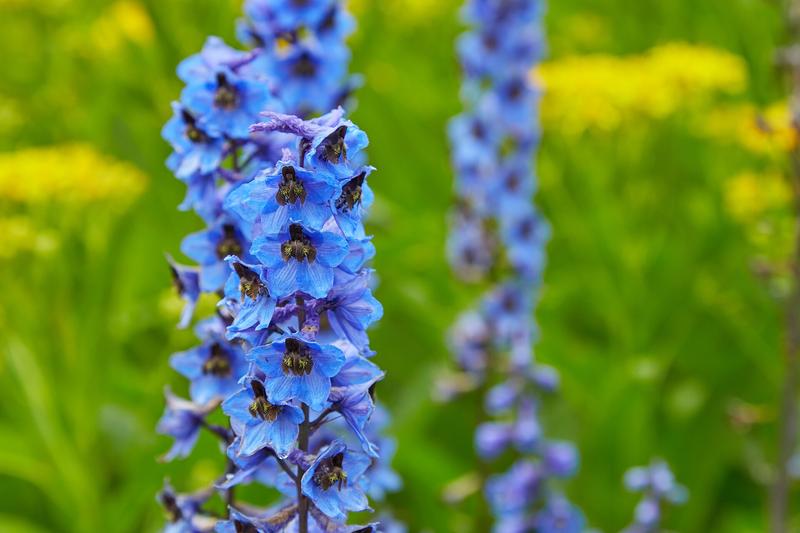
Quick facts
- Watering
- Weekly, more in dry spells
- Sunlight
- Full sun to partial shade
- Soil
- Rich, moisture-retentive, well-drained
- Humans
- Toxic
- Cats
- Toxic
- Dogs
- Toxic
- Height
- 120–200 cm
- Spread
- 45–75 cm
- Spacing
- 60–90 cm apart
- RHS recognition
- Award of Garden Merit
About Delphinium
Delphiniums are majestic herbaceous perennials renowned for their towering spikes of blue, purple, white, or pink flowers that grace British cottage gardens from early to midsummer. Native to mountainous regions of Europe and Asia, these stately plants have been cultivated in the UK since the 19th century and remain a quintessential feature of traditional English borders. UK gardeners prize them for their dramatic height, vibrant colours, and ability to create stunning vertical accents in mixed plantings. Their classic spires evoke the romance of historic British gardens and provide excellent cut flowers for indoor arrangements.
UK fact: Many Delphinium elatum cultivars have received the RHS Award of Garden Merit, and the plant has been a centrepiece of British cottage gardens since Victorian times, with dedicated delphinium societies established in the UK to preserve heritage varieties and develop new cultivars suited to British growing conditions.
Watering Delphinium
Delphiniums require regular watering to support their lush foliage and tall flower spikes, particularly from spring through flowering. Water at the base of plants in the morning to avoid wetting foliage, which can encourage powdery mildew. During dry spells in June and July, increase watering to twice weekly, providing approximately 2.5 cm of water per session. Reduce watering after flowering and cut-back, but never allow the soil to dry out completely, as delphiniums dislike drought stress.
Sunlight requirements
Plant delphiniums in a position receiving at least six hours of direct sunlight daily, ideally with morning sun and light afternoon shade in southern England. In Scotland and northern regions, full sun all day is beneficial. Avoid deep shade, which causes weak, floppy growth and reduces flowering, and shelter from strong winds which can snap the tall flower spikes.
Soil and feeding
Prepare planting sites by incorporating generous amounts of well-rotted manure or garden compost to improve both fertility and moisture retention. The ideal pH is between 6.5 and 7.5; delphiniums perform particularly well on chalky or limestone soils common in parts of southern England. Ensure good drainage, as waterlogged conditions in winter can cause crown rot. On heavy clay, improve drainage by adding horticultural grit and planting on slight mounds or raised beds.
Apply a balanced granular fertiliser such as Growmore or blood, fish, and bone in early spring as new growth emerges. Once flower spikes begin to develop in late April or May, switch to a high-potash liquid feed (tomato fertiliser works well) every two weeks to promote strong stems and vibrant blooms. After cutting back spent flower spikes, feed again to encourage basal growth and potential autumn flowering.
Pruning Delphinium
Deadhead spent flower spikes in July by cutting them back to a lower side shoot, which often produces secondary blooms in August or September. Once all flowering has finished and foliage begins to yellow in autumn, cut stems down to ground level. In spring, thin emerging shoots when 10-15 cm tall, removing weaker growth to leave 3-5 strong stems per plant; this improves air circulation and produces larger, more impressive flower spikes. Stake tall varieties early, before spikes reach 60 cm, using individual canes or linking stakes.
Propagating Delphinium
The most reliable method is taking basal cuttings in March or April when new shoots are 8-10 cm tall. Division of established clumps every 3-4 years rejuvenates plants and provides new stock. Seed-grown delphiniums are variable and may not come true to type, but species and some strains such as Pacific Giants can be raised successfully from seed sown under cover in February or March. Named cultivars must be propagated vegetatively to maintain their characteristics.
Common problems
Delphiniums are susceptible to powdery mildew, particularly in dry conditions or where air circulation is poor; ensure adequate spacing and avoid overhead watering. Slugs and snails can devastate young growth in spring, so protect emerging shoots with organic slug pellets, copper rings, or regular evening patrols. Crown rot and black blotch (a bacterial disease) can occur in waterlogged soils or wet conditions; improve drainage and remove affected plants promptly. Aphids may colonise flower spikes and young foliage, weakening plants and spreading viruses; treat with insecticidal soap or encourage natural predators such as ladybirds.
Spot a problem with your plant? Photograph the affected area using the Loam app and it will suggest the most likely cause and treatment.
Safety
- Humans
-
Toxic
All parts of delphiniums are toxic if ingested, containing alkaloids that can cause nausea, vomiting, and in severe cases, cardiac and respiratory problems. Wear gloves when handling and keep away from children.
- Cats
-
Toxic
Toxic to cats if ingested, causing vomiting, drooling, and potentially severe gastrointestinal distress. Keep plants out of reach of curious cats.
- Dogs
-
Toxic
Toxic to dogs if ingested, causing vomiting, diarrhoea, drooling, and in severe cases, heart arrhythmias and muscle tremors. Seek veterinary attention immediately if ingestion is suspected.
Toxicity information is for general guidance only. If a person or pet has been exposed to this plant and you are concerned, seek advice from a medical professional or vet.
Seasonal care calendar
Monthly care guide for Delphinium in the UK, based on average conditions.
| Month | Care tasks |
|---|---|
| January | No action needed; plants are fully dormant. Avoid walking on borders when soil is frozen or waterlogged. |
| February | Check stakes and supports are in place. Sow seeds under cover in a heated propagator at 13-15°C. |
| March | Apply balanced fertiliser as new shoots emerge. Take basal cuttings when shoots reach 8-10 cm. Thin shoots to 3-5 per plant. |
| April | Continue taking basal cuttings. Begin staking tall varieties. Start fortnightly high-potash feeding. Protect young growth from slugs. |
| May | Ensure stakes are secure as flower spikes develop. Continue feeding and watering regularly. Tie in stems as they grow. |
| June | Main flowering period begins. Deadhead individual flowers as they fade. Water deeply during dry spells. Watch for aphids on flower spikes. |
| July | Cut back main flower spikes to side shoots after flowering to encourage a second flush. Feed with high-potash fertiliser. Continue watering. |
| August | Enjoy secondary flowering on many varieties. Deadhead regularly. Maintain watering during dry weather. Watch for powdery mildew. |
| September | Late flowers may still appear. Reduce watering as growth slows. Collect seed from species if desired, sowing immediately or storing dry. |
| October | Cut back all stems to ground level once foliage yellows. Clear away debris to reduce overwintering pests and diseases. |
| November | Apply a mulch of well-rotted compost around crowns, avoiding direct contact with the crown itself to prevent rot. |
| December | No action needed; plants are dormant. Plan next year's planting schemes and order new varieties from specialist nurseries. |
Frequently asked questions
- When should I cut back delphiniums after flowering?
- Cut back the main flower spike to a lower side shoot immediately after flowering in July. Feed with a high-potash fertiliser and water regularly, and many varieties will produce a second, smaller flush of blooms in late August or September. For autumn maintenance, cut all growth down to ground level after the first frosts.
- Why are my delphinium leaves turning yellow and wilting?
- Yellowing and wilting can indicate several issues including overwatering, underwatering, root rot, or nutrient deficiency. Check soil drainage and moisture levels first—delphiniums need moist but well-drained conditions. If symptoms persist or you're unsure of the cause, the Loam app can help diagnose the specific problem through photo analysis and provide personalised treatment recommendations based on your growing conditions.
- What type of soil do delphiniums need to thrive?
- Delphiniums require rich, fertile, moisture-retentive soil with good drainage and a slightly alkaline to neutral pH (6.5-7.5). Before planting, incorporate plenty of well-rotted manure or compost, and add lime if your soil is acidic. Heavy clay soils benefit from added grit or sharp sand to improve drainage, whilst sandy soils need extra organic matter to retain moisture and nutrients.
Got a question about growing Delphinium that isn't covered here? Ask the Garden Advisor in the Loam app. It knows your saved plants and local conditions.
Related plants
This page was compiled with AI assistance and reviewed by our team. .