Lupin
Lupinus polyphyllus
Perennials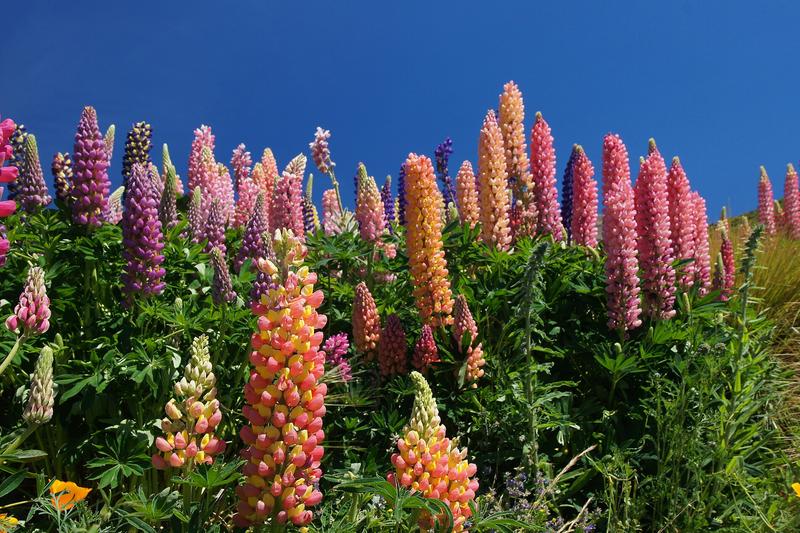
Quick facts
- Watering
- Weekly during dry spells
- Sunlight
- Full sun to partial shade
- Soil
- Well-drained, slightly acidic
- Humans
- Toxic
- Cats
- Toxic
- Dogs
- Toxic
- Height
- 60–120 cm
- Spread
- 45–75 cm
- Spacing
- 45–60 cm apart
- RHS recognition
- Award of Garden Merit
About Lupin
Lupins are quintessentially British cottage garden perennials, beloved for their tall, colourful spires of pea-like flowers that bloom from late spring through early summer. Native to North America but naturalised across the UK, these herbaceous plants produce distinctive palmate leaves and flower spikes in shades of blue, purple, pink, red, yellow, and white. Their architectural presence and ability to fix nitrogen in the soil make them valuable additions to herbaceous borders and wildlife gardens, attracting bees and other pollinators in abundance.
UK fact: The Russell Lupins, developed by Yorkshire gardener George Russell in the 1930s, revolutionised lupin breeding and remain the most popular cultivars in British gardens today, with many varieties holding the RHS Award of Garden Merit.
Watering Lupin
Water newly planted lupins weekly until established, typically for the first growing season. Once established, lupins are reasonably drought-tolerant but benefit from weekly watering during prolonged dry spells, particularly when in bud and flower. Apply water at the base of the plant rather than overhead to reduce the risk of mildew. In typical British summers with regular rainfall, established plants rarely need supplementary watering except during extended dry periods.
Sunlight requirements
Position lupins in full sun for the most prolific flowering, though they will tolerate partial shade especially in hotter, drier regions of the UK. In northern gardens, a south or west-facing border is ideal, whilst in southern England, a spot with morning sun and light afternoon shade helps prevent moisture stress during dry spells. Avoid deep shade, which results in weak, leggy growth and poor flowering.
Soil and feeding
Lupins perform best in well-drained, slightly acidic to neutral soil with a pH of 6.0-7.0, though they tolerate a range of conditions. They struggle in heavy, waterlogged clay and alkaline soils, where they may develop yellowing leaves and poor growth. Improve drainage in heavy soils by incorporating grit and organic matter before planting. Avoid overly rich or heavily manured soil, as lupins fix their own nitrogen and excessive fertility promotes leafy growth at the expense of flowers.
As nitrogen-fixing plants, lupins require little supplementary feeding and can actually suffer from over-fertilisation. Apply a light dressing of sulphate of potash or a low-nitrogen fertiliser in early spring to promote flowering. Avoid high-nitrogen feeds, which encourage excessive foliage at the expense of blooms and can make plants more susceptible to aphid attack.
Pruning Lupin
Cut back faded flower spikes to just above the foliage as soon as flowering finishes, typically in late June or July, to encourage a second, smaller flush of blooms in late summer. This also prevents unwanted self-seeding, as lupin seedlings rarely come true to type and often revert to muddy purple shades. In autumn, cut back all growth to ground level once the foliage has died back. Remove any damaged or diseased leaves throughout the growing season to maintain plant health.
Propagating Lupin
Lupins are easily grown from seed sown in spring, though seedlings rarely match the parent plant's colour and often revert to mauve or purple shades. For true-to-type plants, take basal cuttings in early spring when new shoots are 7-10cm tall. Named varieties can also be carefully divided in spring, though lupins have deep taproots and resent disturbance, so division is less reliable than cuttings.
Common problems
Lupins are susceptible to lupin aphids, large grey-white insects that cluster on flower spikes and stems from late spring onwards, causing distorted growth and reduced flowering. Powdery mildew commonly affects foliage in dry conditions, particularly on congested plants with poor air circulation. Slugs and snails can devastate young growth in spring, whilst brown spot fungus causes dark blotches on leaves and can weaken plants over time. Short-lived by nature, lupins often decline after 4-5 years and benefit from replacement with fresh stock.
Spot a problem with your plant? Photograph the affected area using the Loam app and it will suggest the most likely cause and treatment.
Safety
- Humans
-
Toxic
All parts of lupins are toxic if ingested, containing quinolizidine alkaloids that can cause nausea, vomiting, and breathing difficulties. Seeds are particularly toxic.
- Cats
-
Toxic
Toxic to cats if ingested, causing vomiting, lethargy, and potential breathing difficulties. Keep cats away from plants and seeds.
- Dogs
-
Toxic
Toxic to dogs if ingested, causing vomiting, diarrhoea, lethargy, and in severe cases breathing problems. Seeds pose the greatest risk.
Toxicity information is for general guidance only. If a person or pet has been exposed to this plant and you are concerned, seek advice from a medical professional or vet.
Seasonal care calendar
Monthly care guide for Lupin in the UK, based on average conditions.
| Month | Care tasks |
|---|---|
| January | No action needed; plants fully dormant. |
| February | Check for slug damage as new shoots emerge. Apply slug pellets or barriers if necessary. |
| March | Take basal cuttings from established plants. Sow seeds in deep pots. Apply light potash feed around established clumps. |
| April | Plant out container-grown lupins. Continue slug protection as growth accelerates. Stake tall varieties if needed. |
| May | Watch for lupin aphids on developing flower spikes and treat promptly. Water during dry spells as buds form. |
| June | Enjoy peak flowering. Deadhead spent spikes promptly to encourage second flush. Continue aphid monitoring. |
| July | Deadhead remaining first-flush flowers. Water during dry periods. Watch for powdery mildew and improve air circulation. |
| August | Second flush of flowers appears on deadheaded plants. Remove any diseased foliage. Collect seed if desired. |
| September | Allow late flowers to fade naturally. Begin planning replacements for ageing plants. |
| October | Cut back dying foliage to ground level. Clear away debris to reduce overwintering pests and diseases. |
| November | No action needed; plants dormant. |
| December | No action needed; plants dormant. |
Frequently asked questions
- When should I cut back lupins after flowering?
- Deadhead spent flower spikes immediately after flowering in June or July to encourage a second flush of blooms. Cut all growth back to ground level in autumn once foliage has died back completely. This promotes healthy regrowth the following spring.
- How do I know what's wrong with my lupin leaves?
- Lupin leaves can show various problems including yellowing from poor drainage, brown spots from fungal disease, or distortion from aphid damage. The Loam app can help you diagnose specific leaf issues through photo identification and provide personalised treatment advice based on your growing conditions.
- What type of soil do lupins prefer?
- Lupins thrive in slightly acidic to neutral, well-drained soil and will struggle or fail in alkaline conditions. They prefer poor to moderately fertile soil—overly rich ground encourages lush foliage at the expense of flowers. Avoid heavy clay that stays waterlogged, as this causes root rot.
Got a question about growing Lupin that isn't covered here? Ask the Garden Advisor in the Loam app. It knows your saved plants and local conditions.
Related plants
This page was compiled with AI assistance and reviewed by our team. .