Monkshood
Aconitum napellus
Perennials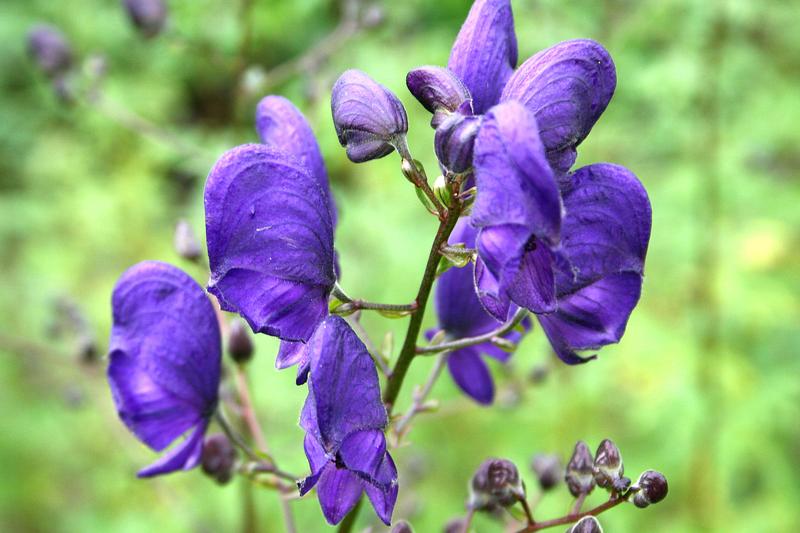
Quick facts
- Watering
- Weekly during dry spells
- Sunlight
- Partial shade to full sun
- Soil
- Moist, fertile, well-drained
- Humans
- Toxic
- Cats
- Toxic
- Dogs
- Toxic
- Height
- 90–150 cm
- Spread
- 30–45 cm
- Spacing
- 40–50 cm apart
- RHS recognition
- Award of Garden Merit
About Monkshood
Monkshood is a striking herbaceous perennial native to western and central Europe, prized for its tall spires of hooded, deep blue-purple flowers that appear in mid to late summer. The distinctive helmet-shaped blooms rise above deeply divided, glossy dark green foliage, creating dramatic vertical accents in borders and cottage gardens. UK gardeners value this plant for its ability to thrive in partial shade and provide reliable late-season colour when many other perennials have finished flowering. Despite its beauty, all parts of monkshood are highly toxic, making it essential to handle with care and site thoughtfully away from children and pets.
UK fact: Monkshood has been cultivated in British gardens since medieval times and was historically grown in monastery physic gardens, though its extreme toxicity meant it was used with great caution—the plant contains aconitine, one of the most poisonous compounds found in European flora.
Watering Monkshood
Keep the soil consistently moist throughout the growing season, particularly during dry periods from late spring through summer when the plant is actively growing and flowering. Water deeply at the base rather than overhead to reduce the risk of powdery mildew on the foliage. Established plants are moderately drought-tolerant but flower more prolifically with regular moisture. In typical UK summers with regular rainfall, supplementary watering is only necessary during prolonged dry spells.
Sunlight requirements
Monkshood performs best in partial shade, particularly in southern UK gardens where afternoon shade prevents the foliage from scorching during hot spells. In northern regions and cooler areas, it tolerates full sun provided the soil remains consistently moist. Avoid deep shade, which results in weak, floppy stems that require staking and reduced flowering.
Soil and feeding
Monkshood thrives in rich, moisture-retentive soil that doesn't become waterlogged in winter, making it ideal for heavy clay soils common across much of the UK provided drainage is adequate. Incorporate generous amounts of well-rotted compost or manure before planting to improve both moisture retention and fertility. The plant tolerates a wide pH range but performs best in neutral to slightly alkaline conditions (pH 6.5-7.5). Avoid dry, sandy soils unless you can commit to regular watering and mulching.
Apply a balanced general-purpose fertiliser such as blood, fish and bone in early spring as new growth emerges, scattering a handful around the base of each plant. A second light feed in early summer supports the development of strong flower spikes. Avoid high-nitrogen feeds later in the season, which promote soft growth susceptible to winter damage.
Pruning Monkshood
Deadhead spent flower spikes promptly after blooming to prevent self-seeding and encourage a possible second flush of smaller flowers in autumn. Cut back all stems to ground level in late autumn once the foliage has died back, removing debris to reduce overwintering sites for pests and diseases. Tall varieties may benefit from light staking or the Chelsea chop treatment in late May—cutting back stems by one-third to produce sturdier, slightly shorter plants that are less prone to flopping.
Propagating Monkshood
Monkshood is most reliably propagated by division of established clumps in early autumn or early spring, carefully separating the tuberous roots and replanting immediately to prevent them drying out. Wear gloves when handling as all parts are highly toxic. Seed propagation is possible but slow and variable; sow fresh seed in autumn in pots placed in a cold frame, as germination requires a period of cold stratification over winter. Seedlings may take three years to reach flowering size and won't come true to type if collected from hybrid cultivars.
Common problems
Monkshood is generally trouble-free but can suffer from powdery mildew in dry conditions or where air circulation is poor, appearing as white powdery patches on leaves from mid-summer onwards. Aphids occasionally colonise young shoots in spring, and slugs may damage emerging growth in wet springs. Verticillium wilt can cause sudden wilting and death of stems; affected plants should be removed and destroyed, and the soil avoided for replanting Aconitum. Crown rot may occur in waterlogged winter soils, so ensure adequate drainage when planting.
Spot a problem with your plant? Photograph the affected area using the Loam app and it will suggest the most likely cause and treatment.
Safety
- Humans
-
Toxic
All parts of monkshood are extremely toxic if ingested, containing aconitine which can cause severe symptoms including nausea, vomiting, cardiac arrhythmia, and potentially death. The toxins can also be absorbed through skin, so always wear gloves when handling and wash hands thoroughly afterwards.
- Cats
-
Toxic
Highly toxic to cats if ingested, causing vomiting, drooling, cardiac abnormalities, and potentially fatal poisoning. Keep cats away from this plant.
- Dogs
-
Toxic
Extremely toxic to dogs if any part is ingested, causing severe vomiting, diarrhoea, cardiac arrhythmia, seizures, and potentially death. Plant well away from areas accessible to dogs.
Toxicity information is for general guidance only. If a person or pet has been exposed to this plant and you are concerned, seek advice from a medical professional or vet.
Seasonal care calendar
Monthly care guide for Monkshood in the UK, based on average conditions.
| Month | Care tasks |
|---|---|
| January | No action needed; plant is fully dormant underground. |
| February | No action needed; plant remains dormant. |
| March | Watch for new shoots emerging; apply balanced fertiliser and mulch around the base. Divide established clumps if needed. |
| April | Monitor for aphids on young growth and treat if necessary. Water during dry spells. |
| May | Consider the Chelsea chop on tall varieties to reduce height and improve sturdiness. Continue watering in dry weather. |
| June | Apply second light feed to support flowering. Stake tall stems if needed. Water regularly during dry periods. |
| July | Enjoy the main flowering display. Deadhead spent blooms. Monitor for powdery mildew and maintain consistent watering. |
| August | Continue deadheading to prolong flowering. Water during dry spells and watch for mildew. |
| September | Deadhead final flowers. Divide established clumps if required. Reduce watering as growth slows. |
| October | Cut back dying foliage to ground level and clear away debris. Tidy around the base. |
| November | No action needed; plant entering dormancy. |
| December | No action needed; plant is fully dormant. |
Frequently asked questions
- Is monkshood poisonous to touch?
- Yes, monkshood contains toxic alkaloids that can be absorbed through the skin, particularly if you have cuts or abrasions. Always wear gloves when handling any part of the plant, including when deadheading, dividing, or cutting back, and wash your hands thoroughly afterwards. The toxins are present in all parts including roots, stems, leaves, and flowers.
- Why is my monkshood not flowering?
- Common causes include too much shade, poor soil fertility, insufficient moisture during bud formation, or the plant being too young (divisions take 1-2 years to flower well). The Loam app can help you track watering, set feeding reminders, and diagnose issues based on your specific growing conditions and plant history.
- When should I cut back monkshood?
- Cut back monkshood stems to ground level in late autumn (October-November) once the foliage has died back naturally and turned brown. Removing the dead growth tidies the border and eliminates overwintering sites for pests and diseases. Don't cut back whilst the foliage is still green, as the plant is still photosynthesising and storing energy in the roots for next year's growth.
Got a question about growing Monkshood that isn't covered here? Ask the Garden Advisor in the Loam app. It knows your saved plants and local conditions.
Related plants
This page was compiled with AI assistance and reviewed by our team. .