Thalictrum
Thalictrum aquilegiifolium
Perennials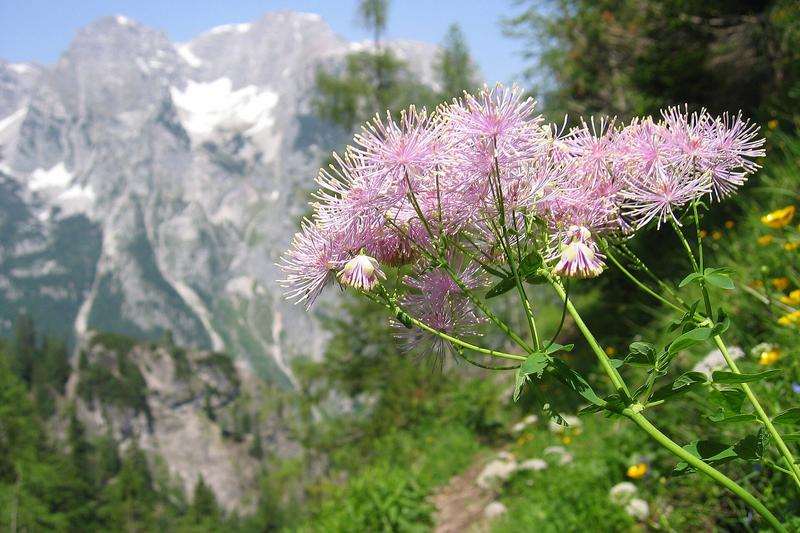
Quick facts
- Watering
- Weekly during dry spells
- Sunlight
- Partial shade to full sun
- Soil
- Moist, humus-rich, well-drained
- Humans
- Toxic
- Cats
- Toxic
- Dogs
- Toxic
- Height
- 90–120 cm
- Spread
- 45–60 cm
- Spacing
- 45–60 cm apart
- RHS recognition
- Award of Garden Merit
About Thalictrum
Thalictrum aquilegiifolium, commonly known as meadow rue, is an elegant herbaceous perennial native to Europe and Asia, prized for its delicate, fluffy flower heads in shades of pink, lilac, and white. The plant features attractive columbine-like foliage that remains ornamental throughout the growing season, making it a favourite for cottage gardens and naturalistic plantings. UK gardeners value this species for its ability to add height and airy texture to borders whilst thriving in partial shade where many other perennials struggle. Its long flowering period from late spring through early summer provides valuable nectar for pollinators in British gardens.
UK fact: Thalictrum aquilegiifolium has been awarded the RHS Award of Garden Merit, recognising its excellent performance in British gardens and its reliability in the UK's temperate maritime climate.
Watering Thalictrum
Water thalictrum regularly during dry periods, especially from April through August when the plant is actively growing and flowering. Established plants require approximately 2.5 cm of water weekly during the British summer, though natural rainfall often suffices in northern and western regions. Mulching around the base helps retain moisture during drier spells common in southeastern England. Reduce watering in autumn as the plant enters dormancy, but never allow the soil to dry out completely.
Sunlight requirements
In the UK, plant thalictrum in dappled shade or a position receiving morning sun and afternoon shade, particularly in southern counties. North-facing borders or the shade of deciduous trees provide ideal conditions. In Scotland and northern England, the plant tolerates more sun exposure due to cooler temperatures and higher humidity.
Soil and feeding
Plant in rich, humus-rich soil that retains moisture without becoming waterlogged, with a pH between 6.5 and 7.5. Improve heavy clay soils with well-rotted compost or leaf mould to enhance drainage whilst maintaining moisture retention. On sandy soils, incorporate generous amounts of organic matter to improve water-holding capacity. The plant tolerates a range of soil types across the UK but performs best in the moisture-retentive loams common in many British gardens.
Feed thalictrum in March with a general-purpose granular fertiliser such as blood, fish and bone at 70g per square metre. Apply a 5 cm layer of well-rotted garden compost or leaf mould around the base in spring to improve soil structure and provide slow-release nutrients throughout the growing season.
Pruning Thalictrum
Deadhead spent flowers in July to maintain a tidy appearance, though this won't encourage repeat flowering. Allow some seed heads to remain if you wish to collect seed or provide winter interest for wildlife. Cut all stems down to ground level in October or November once the foliage has yellowed and died back naturally. Clear away debris to reduce overwintering sites for pests and diseases.
Propagating Thalictrum
Division is the easiest propagation method, carried out in March or early April as new growth emerges. Carefully lift established clumps and tease apart the rhizomes, ensuring each division has several growing points and a good root system. Seed propagation is straightforward but requires patience, as plants take two to three years to reach flowering size. Sow fresh seed in autumn in pots placed in a cold frame, as germination benefits from cold stratification over winter.
Common problems
Thalictrum is generally trouble-free but may occasionally suffer from powdery mildew in dry conditions, particularly on plants grown in full sun with inadequate moisture. Aphids can colonise young shoots and flower buds in spring, though these are easily controlled with organic sprays or by encouraging natural predators. Slugs and snails may damage emerging foliage in early spring, so apply organic slug pellets or use barriers around new growth. The plant is rarely affected by serious diseases in UK gardens and deer tend to avoid it, making it suitable for rural locations.
Spot a problem with your plant? Photograph the affected area using the Loam app and it will suggest the most likely cause and treatment.
Safety
- Humans
-
Toxic
All parts of thalictrum contain alkaloids that can cause skin irritation and gastrointestinal upset if ingested. Wear gloves when handling and keep away from children.
- Cats
-
Toxic
Thalictrum contains toxic alkaloids that may cause vomiting, diarrhoea, and other gastrointestinal symptoms if ingested by cats.
- Dogs
-
Toxic
The plant contains alkaloids that can cause gastrointestinal upset, drooling, and vomiting if consumed by dogs.
Toxicity information is for general guidance only. If a person or pet has been exposed to this plant and you are concerned, seek advice from a medical professional or vet.
Seasonal care calendar
Monthly care guide for Thalictrum in the UK, based on average conditions.
| Month | Care tasks |
|---|---|
| January | No action needed; plant is fully dormant. |
| February | Check mulch is in place and prepare planting sites for new acquisitions. |
| March | Apply balanced fertiliser as new shoots emerge. Divide established clumps if required. Plant new specimens. |
| April | Water during dry spells and watch for aphids on developing shoots. Apply slug protection around emerging foliage. |
| May | Maintain consistent moisture as flower buds develop. Stake tall varieties if necessary in exposed positions. |
| June | Enjoy the main flowering display. Water regularly during dry weather and deadhead spent blooms for tidiness. |
| July | Continue deadheading and watering. Leave some seed heads if you wish to collect seed or provide wildlife interest. |
| August | Maintain watering during dry periods. Collect ripe seed if desired for autumn sowing. |
| September | Reduce watering as growth slows. Sow collected seed in pots and place in a cold frame. |
| October | Cut back dying foliage to ground level and clear away debris. Apply mulch around the crown. |
| November | Ensure mulch is in place for winter protection. No further action required. |
| December | No action needed; plant is dormant. |
Frequently asked questions
- When should I cut back thalictrum after flowering?
- Cut back thalictrum flower stems to just above basal foliage once flowering finishes in mid to late summer, which encourages fresh leafy growth and keeps the plant tidy. Alternatively, leave seed heads standing until late winter for wildlife value, then cut all growth down to ground level in February before new shoots emerge in spring.
- Why are the leaves of my thalictrum turning yellow?
- Yellowing foliage in summer usually indicates insufficient water, particularly during dry spells. Ensure the soil remains consistently moist and apply a mulch to help retain moisture. If you're unsure whether watering is the issue or if yellowing persists, the Loam app can help diagnose the problem and provide personalised care reminders to keep your thalictrum healthy. Yellowing in autumn is natural as the plant enters dormancy and is no cause for concern.
- Does thalictrum spread and is it invasive?
- Thalictrum aquilegiifolium forms slowly expanding clumps through its fibrous root system but is not invasive in UK gardens. It spreads at a modest, manageable rate and can also self-seed lightly in favourable conditions, though seedlings are easy to remove if unwanted. The clumps can be divided every three to four years to control spread or create new plants.
Got a question about growing Thalictrum that isn't covered here? Ask the Garden Advisor in the Loam app. It knows your saved plants and local conditions.
Related plants
This page was compiled with AI assistance and reviewed by our team. .