Anemone
Anemone blanda
Bulbs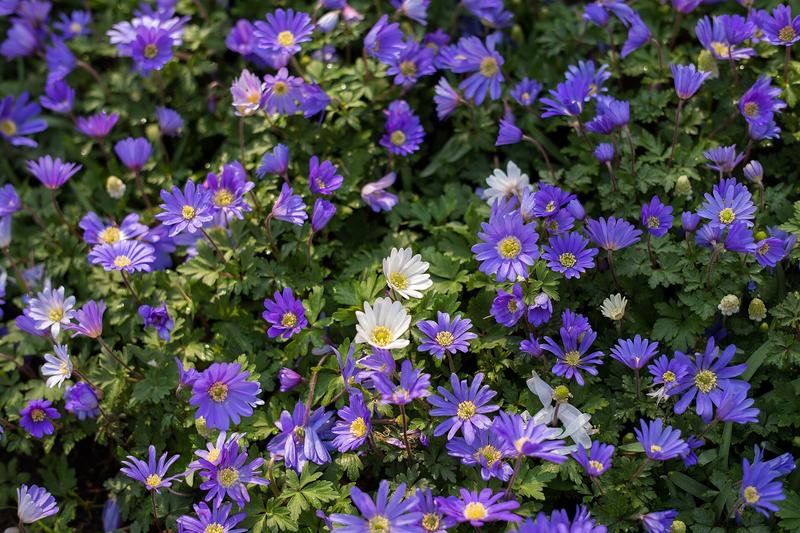
Quick facts
- Watering
- Minimal once established
- Sunlight
- Partial shade to full sun
- Soil
- Well-drained, humus-rich
- Humans
- Toxic
- Cats
- Toxic
- Dogs
- Toxic
- Height
- 10–15 cm
- Spread
- 10–15 cm
- Spacing
- 5–8 cm apart
- RHS recognition
- Award of Garden Merit
About Anemone
Anemone blanda is a delightful spring-flowering bulb native to southeastern Europe, producing daisy-like flowers in shades of blue, pink, and white above fern-like foliage. Growing to just 15 cm tall, these charming plants naturalise beautifully under deciduous trees and in rock gardens, creating carpets of colour from February to April. UK gardeners prize them for their early flowering, ability to thrive in dappled shade, and their reliability in returning year after year. The flowers open wide in sunshine and close on dull days, adding a dynamic quality to spring borders.
UK fact: Anemone blanda has held the RHS Award of Garden Merit since 1993, with several cultivars including 'White Splendour' and 'Blue Shades' recognised for their exceptional performance in British gardens.
Watering Anemone
During active growth from late winter to late spring, water only if conditions are exceptionally dry, as UK rainfall is typically sufficient. After flowering finishes in April or May, reduce watering and allow the foliage to die back naturally as the tubers enter their summer dormancy. During the dormant period from June to autumn, the tubers prefer dry conditions and can rot if kept too moist. Once planted, established clumps rarely require supplementary watering in typical British conditions.
Sunlight requirements
In the UK, plant in positions that receive morning sun and afternoon shade, or beneath deciduous trees where they'll enjoy spring sunshine before the canopy fills in. East-facing borders are ideal, providing gentle morning light without the intensity of afternoon sun. They perform particularly well in woodland gardens and naturalised settings where light levels fluctuate throughout the day.
Soil and feeding
Plant in well-drained soil that has been improved with leaf mould or well-rotted compost to provide the humus-rich conditions these tubers prefer. They tolerate a wide pH range from 6.0 to 8.0, making them suitable for most UK gardens including chalky soils. Good drainage is essential, particularly during the summer dormancy period when waterlogged conditions can cause tuber rot. On heavy clay soils, incorporate horticultural grit and plant tubers on a layer of sharp sand to improve drainage around the roots.
Mix bone meal into the planting hole at a rate of one handful per square metre to provide slow-release phosphorus for root development. As new growth appears in February or March, apply a balanced granular fertiliser such as blood, fish and bone around the emerging shoots. Avoid high-nitrogen feeds which promote foliage at the expense of flowers and can make plants more susceptible to frost damage.
Pruning Anemone
Anemone blanda requires no formal pruning, but it's essential to leave the foliage intact after flowering finishes. The leaves continue photosynthesising for 6-8 weeks, building up energy reserves in the tubers for next year's display. Allow the foliage to yellow and wither completely before removing it, typically by late May or early June. Deadheading spent flowers is unnecessary unless you wish to prevent self-seeding, though many gardeners welcome the natural spread of seedlings.
Propagating Anemone
The easiest method is division of mature clumps every 3-4 years, lifting the tubers in late May or June once foliage has died back. Separate the small offset tubers that form around the parent and replant immediately or store in dry conditions until autumn. Seed propagation is also successful; collect seed in May or June and sow fresh in pots of gritty compost, keeping them in a cold frame. Seedlings will take 2-3 years to reach flowering size but often naturalise freely in suitable conditions.
Common problems
Anemone blanda is relatively trouble-free but can occasionally suffer from vine weevil larvae eating the tubers, particularly in container plantings. Slugs and snails may damage emerging shoots and flowers in early spring, especially during mild, wet weather. Powdery mildew can affect foliage in dry conditions, though this rarely causes serious harm as it typically appears as the leaves are naturally dying back. Tuber rot is the most serious issue, caused by waterlogged soil during the summer dormancy period, so ensuring excellent drainage is essential for long-term success.
Spot a problem with your plant? Photograph the affected area using the Loam app and it will suggest the most likely cause and treatment.
Safety
- Humans
-
Toxic
All parts contain protoanemonin, which can cause skin irritation and mild gastrointestinal upset if ingested. Wear gloves when handling tubers.
- Cats
-
Toxic
Contains protoanemonin which can cause oral irritation, drooling, vomiting, and diarrhoea if ingested. Keep cats away from plants.
- Dogs
-
Toxic
Contains protoanemonin causing oral irritation, excessive drooling, vomiting, and diarrhoea if eaten. Plant away from areas frequented by dogs.
Toxicity information is for general guidance only. If a person or pet has been exposed to this plant and you are concerned, seek advice from a medical professional or vet.
Seasonal care calendar
Monthly care guide for Anemone in the UK, based on average conditions.
| Month | Care tasks |
|---|---|
| January | Shoots may begin emerging in mild winters; protect with fleece if hard frost is forecast. |
| February | First flowers appear; apply balanced fertiliser around emerging growth and remove any winter debris. |
| March | Peak flowering period; deadhead spent blooms if desired and watch for slug damage on new growth. |
| April | Flowering continues; allow foliage to remain after flowers fade to build up tuber reserves. |
| May | Flowering finishes; leave foliage to die back naturally and collect seed if propagating. Divide established clumps if needed. |
| June | Foliage dies back completely; remove dead leaves once fully withered. Tubers enter dormancy. |
| July | Tubers dormant; ensure soil remains dry and well-drained during summer months. |
| August | Tubers dormant; prepare planting sites for new tubers by improving drainage and adding organic matter. |
| September | Ideal planting month; soak dried tubers before planting 5 cm deep in prepared soil. |
| October | Continue planting tubers; plant in drifts for natural effect and mulch lightly with leaf mould. |
| November | Last chance to plant tubers; roots will develop underground during winter months. |
| December | Tubers developing roots underground; no action needed unless planting in containers for early forcing. |
Frequently asked questions
- When should I plant Anemone blanda bulbs?
- Plant Anemone blanda tubers in autumn, ideally September to November, for spring flowering. They need time to establish roots before winter. Plant them 5 cm deep and 5-8 cm apart in well-drained soil. Soaking the dried tubers for 2-4 hours before planting helps them absorb moisture and establish more quickly. If you've missed the autumn window, you can plant them in early spring, though flowering may be delayed until the following year.
- Why are my Anemone blanda leaves turning yellow?
- Yellowing foliage after flowering (late spring) is completely natural as the plant enters dormancy—allow leaves to die back fully so tubers can store energy for next year. However, premature yellowing during growth may indicate waterlogged soil, as these plants need good drainage. If you're unsure whether yellowing is normal or a problem, the Loam app can help diagnose issues by analysing photos of your plant and tracking its seasonal cycle with personalised care reminders.
- How do I divide Anemone blanda?
- Divide congested clumps in late summer during dormancy, after foliage has completely died back. Carefully lift the tubers, separate them gently, and replant immediately at 5 cm depth, or store in a cool, dry place until autumn. Division isn't usually necessary as they naturalise happily, but it's useful for propagating them to new areas or preventing overcrowding. Divided tubers may take a season to flower well as they re-establish.
Got a question about growing Anemone that isn't covered here? Ask the Garden Advisor in the Loam app. It knows your saved plants and local conditions.
Related plants
This page was compiled with AI assistance and reviewed by our team. .