Chionodoxa
Chionodoxa forbesii
Bulbs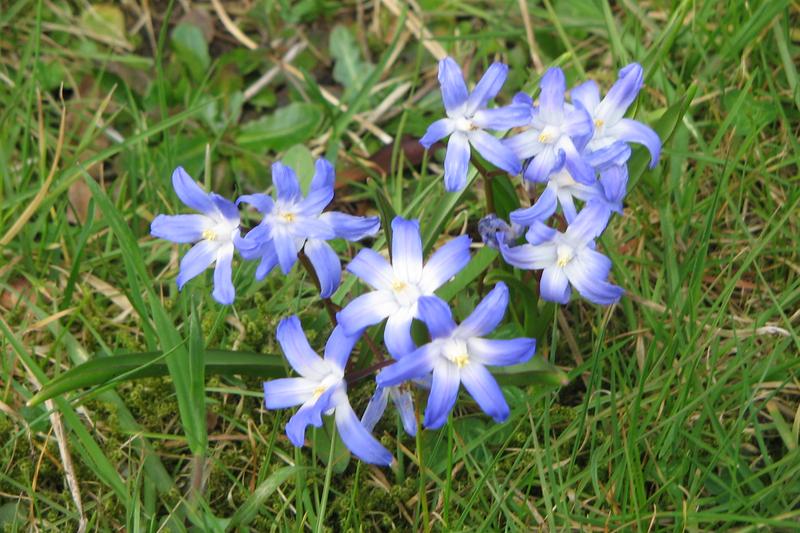
Quick facts
- Watering
- Minimal once established
- Sunlight
- Full sun to partial shade
- Soil
- Well-drained, moderately fertile
- Humans
- Unknown
- Cats
- Unknown
- Dogs
- Unknown
- Height
- 10–15 cm
- Spread
- 5–8 cm
- Spacing
- 8–10 cm apart
- RHS recognition
- Award of Garden Merit
About Chionodoxa
Chionodoxa, commonly known as glory-of-the-snow, is a charming early spring bulb native to the mountains of Turkey and Cyprus. It produces delicate star-shaped flowers in brilliant blue with white centres, typically appearing from February to April. UK gardeners prize this diminutive bulb for naturalising under deciduous trees and shrubs, where it creates drifts of colour when little else is in bloom. Hardy and undemanding, Chionodoxa thrives in British gardens and will self-seed freely in favourable conditions.
UK fact: Chionodoxa forbesii has been awarded the RHS Award of Garden Merit and is particularly valued in British gardens for flowering during the 'hungry gap' when early pollinators emerge but food sources are scarce.
Watering Chionodoxa
Water newly planted bulbs if autumn conditions are exceptionally dry, but established clumps require no supplementary watering in typical UK conditions. The bulbs are dormant through summer and actually prefer dry conditions during this period. Avoid planting in areas prone to waterlogging, as excessive moisture during dormancy can cause bulb rot. Natural winter and spring rainfall provides all the moisture these bulbs need during their active growth and flowering period.
Sunlight requirements
Plant in full sun for the most prolific flowering, though partial shade is well tolerated, particularly beneath deciduous trees that leaf out after the bulbs have flowered. In UK gardens, an east or south-facing position is ideal, though avoid deep shade which will reduce flowering. The bulbs are particularly well-suited to planting under fruit trees or spring-flowering shrubs where they receive ample light in early spring.
Soil and feeding
Any reasonably fertile, well-drained soil is suitable, from sandy loam to clay provided it doesn't become waterlogged. The bulbs tolerate a wide pH range but perform best in neutral to slightly alkaline conditions (pH 6.5-7.5). Improve heavy clay soils with horticultural grit or sharp sand before planting to ensure adequate drainage during the summer dormant period. Avoid very acid, peaty soils which can encourage fungal problems.
Apply a balanced granular fertiliser such as blood, fish and bone in early spring as shoots emerge, or immediately after flowering. Avoid high-nitrogen feeds which promote leaf growth at the expense of flowers. Established clumps naturalising in grass or under trees rarely require feeding if leaf litter is allowed to decompose naturally around them.
Pruning Chionodoxa
Deadhead spent flowers if desired to maintain a tidy appearance, though this isn't necessary as the seed heads are inconspicuous. The key requirement is to leave foliage intact until it has yellowed and withered completely, typically by late May or early June. This allows the leaves to photosynthesise and restore energy to the bulb for next year's growth. If naturalised in grass, delay the first mowing until at least six weeks after flowering has finished.
Propagating Chionodoxa
The easiest method is to allow established clumps to self-seed and naturalise, which they do readily in UK gardens. Alternatively, lift and divide congested clumps in late spring after foliage has died back, replanting offsets immediately at the same depth. Seed can be collected when ripe in late spring and sown fresh in pots of gritty compost, though seedlings take three to four years to reach flowering size. Division provides quicker results and maintains the characteristics of named varieties.
Common problems
Chionodoxa is largely trouble-free in UK gardens, with few serious pest or disease problems. Slugs and snails may occasionally damage emerging shoots in mild, wet springs, though damage is rarely severe. Bulbs can rot if planted in poorly drained soil or if summer conditions are exceptionally wet. Squirrels sometimes dig up newly planted bulbs in autumn, so covering the planting area with chicken wire until the soil settles can be beneficial.
Spot a problem with your plant? Photograph the affected area using the Loam app and it will suggest the most likely cause and treatment.
Safety
- Humans
-
Unknown
No significant toxicity reported, but as with all bulbs, ingestion is not recommended and may cause mild stomach upset.
- Cats
-
Unknown
No specific toxicity data available. Keep bulbs out of reach as a precaution.
- Dogs
-
Unknown
No specific toxicity data available. Prevent dogs from digging up and chewing bulbs.
Toxicity information is for general guidance only. If a person or pet has been exposed to this plant and you are concerned, seek advice from a medical professional or vet.
Seasonal care calendar
Monthly care guide for Chionodoxa in the UK, based on average conditions.
| Month | Care tasks |
|---|---|
| January | First shoots may emerge in mild winters. Protect from slug damage if necessary. |
| February | Flowering begins in mild areas. Apply balanced fertiliser as shoots emerge. |
| March | Peak flowering period. Enjoy the display and note areas for additional planting next autumn. |
| April | Flowering continues into early April. Deadhead if desired but leave foliage intact. |
| May | Allow foliage to die back naturally. Collect seed if propagating. Lift and divide congested clumps if needed. |
| June | Foliage fully died back. Division can continue early in the month. Bulbs now dormant. |
| July | Bulbs dormant. No action needed. |
| August | Bulbs dormant. Plan autumn planting schemes. |
| September | Ideal time to plant new bulbs. Plant 7-8 cm deep in drifts for natural effect. |
| October | Continue planting bulbs until mid-month. Water if autumn is exceptionally dry. |
| November | Bulbs establishing roots underground. Protect new plantings from squirrel damage if necessary. |
| December | Bulbs developing underground. No action needed. |
Frequently asked questions
- When should I plant Chionodoxa bulbs in the UK?
- Plant Chionodoxa bulbs in September or October, ideally before the end of October. This gives them time to establish roots before winter and ensures good flowering in late winter and early spring.
- Why didn't my Chionodoxa flower this year?
- The most common cause is foliage being cut back too early the previous year, preventing the bulbs from storing enough energy. Ensure leaves are left for at least six weeks after flowering. Overcrowding, deep shade, or very dry conditions can also reduce flowering. The Loam app can help you set reminders for proper aftercare timing and diagnose specific problems with your bulbs based on photos and growing conditions.
- Will Chionodoxa naturalise in my lawn?
- Yes, Chionodoxa naturalises beautifully in grass, particularly in areas where you can delay mowing until late May or early June. Plant bulbs in informal drifts and they will self-seed to create expanding colonies over time.
Got a question about growing Chionodoxa that isn't covered here? Ask the Garden Advisor in the Loam app. It knows your saved plants and local conditions.
Related plants
This page was compiled with AI assistance and reviewed by our team. .