Hollyhock
Alcea rosea
Perennials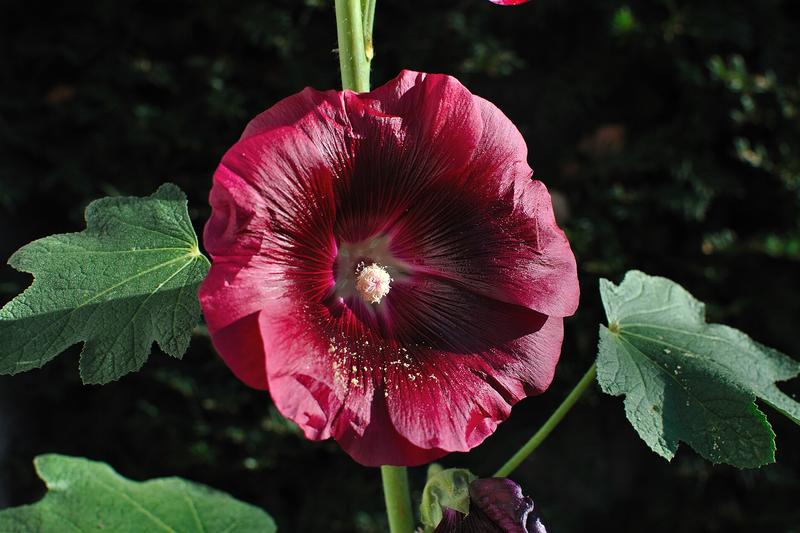
Quick facts
- Watering
- Weekly during dry spells
- Sunlight
- Full sun
- Soil
- Well-drained, moderately fertile
- Humans
- Safe
- Cats
- Safe
- Dogs
- Safe
- Height
- 150–250 cm
- Spread
- 30–60 cm
- Spacing
- 45–60 cm apart
- RHS recognition
- Award of Garden Merit
About Hollyhock
Hollyhocks are quintessentially British cottage garden perennials, producing towering spires of papery, saucer-shaped flowers in shades of pink, red, white, yellow, and purple from June to September. Originally native to China and the eastern Mediterranean, they have been grown in British gardens since the 16th century and can reach heights of 2.5 metres, making them perfect for the back of borders or against sunny walls. Their old-fashioned charm and ability to self-seed make them enduringly popular with UK gardeners seeking vertical interest and traditional cottage garden appeal.
UK fact: Hollyhocks were a staple of Tudor gardens and appear in many historical British paintings, with the RHS awarding several cultivars the Award of Garden Merit, including 'Nigra' with its distinctive near-black flowers that perform particularly well in sheltered British gardens.
Watering Hollyhock
Once established, hollyhocks are reasonably drought-tolerant but perform best with regular watering during dry periods, particularly in summer when flowering. Water at the base of the plant rather than overhead to reduce the risk of rust disease, which thrives in damp conditions on foliage. In typical UK summers, rainfall is often sufficient, but during prolonged dry spells water deeply once a week rather than little and often. Young plants and those in containers require more frequent watering until well established.
Sunlight requirements
Hollyhocks thrive in full sun and require at least six hours of direct sunlight daily to produce their best flower spikes. In the UK, position them against south or west-facing walls or fences where they'll benefit from warmth and shelter from strong winds. They will tolerate partial shade but flowering will be reduced and stems may require more staking.
Soil and feeding
Hollyhocks prefer well-drained soil that doesn't become waterlogged in winter, which can cause root rot. They tolerate a wide range of soil types including clay, loam, and sandy soils, provided drainage is adequate. A neutral to slightly alkaline pH of 6.5-7.5 is ideal, though they're adaptable to most garden soils. Improve heavy clay soils with organic matter and grit to enhance drainage, particularly important in wet UK winters.
Apply a balanced general-purpose fertiliser in early spring as new growth emerges to support the development of strong flower spikes. A second feed with a potassium-rich fertiliser in early summer will encourage abundant flowering. Avoid over-feeding with nitrogen, which promotes leafy growth at the expense of flowers.
Pruning Hollyhock
Deadhead spent flowers regularly throughout summer to prolong the flowering season and prevent self-seeding if not desired. Cut back the entire flower spike to the base once flowering has finished in late summer or early autumn. In late autumn or early spring, remove old foliage and stems to ground level, which helps reduce overwintering rust spores. Some gardeners prefer to leave seed heads for winter interest and to feed birds, cutting back in February before new growth begins.
Propagating Hollyhock
Hollyhocks are easily grown from seed sown outdoors in June or July for flowering the following year, or indoors in February to March for possible late summer flowering. Sow seeds thinly in pots or modules and transplant seedlings when large enough to handle, spacing them 45-60cm apart in their final positions. They self-seed readily in UK gardens, and these volunteers often produce vigorous plants, though colours may vary from the parent. Established clumps can also be divided in spring, though hollyhocks are often treated as biennials and replaced regularly to avoid rust disease build-up.
Common problems
Hollyhock rust is the most serious problem for UK growers, causing orange pustules on leaf undersides and eventual defoliation; remove affected leaves promptly and clear all debris in autumn to reduce spore carryover. Slugs and snails can damage young growth in spring, particularly in damp conditions. Aphids may colonise flower buds and growing tips in early summer, and can be controlled with organic sprays or by encouraging natural predators. Hollyhocks are often grown as biennials or short-lived perennials and replaced regularly, as older plants become increasingly susceptible to rust and tend to decline in vigour.
Spot a problem with your plant? Photograph the affected area using the Loam app and it will suggest the most likely cause and treatment.
Safety
- Humans
- Safe
- Cats
- Safe
- Dogs
- Safe
Toxicity information is for general guidance only.
Seasonal care calendar
Monthly care guide for Hollyhock in the UK, based on average conditions.
| Month | Care tasks |
|---|---|
| January | No action needed; plants are dormant. |
| February | Sow seeds indoors in modules for planting out in late spring. Cut back old stems if not done in autumn. |
| March | Continue indoor sowing. Apply balanced fertiliser around established plants as new growth emerges. Protect young shoots from slugs. |
| April | Transplant indoor-sown seedlings into larger pots. Stake tall varieties in exposed positions. Watch for early signs of rust on foliage. |
| May | Plant out hardened-off seedlings. Continue staking as flower spikes develop. Water during dry spells. |
| June | Flowering begins. Sow seeds outdoors for next year's plants. Deadhead regularly and feed with potassium-rich fertiliser. |
| July | Peak flowering period. Continue deadheading and watering during dry weather. Sow seeds outdoors for next year. |
| August | Continue deadheading to prolong flowering. Transplant outdoor-sown seedlings to final positions or nursery beds. |
| September | Late flowers may continue. Cut back finished flower spikes. Allow some seed heads to ripen if self-seeding is desired. |
| October | Remove and destroy rust-affected foliage. Cut back stems or leave for winter structure and bird food. |
| November | Clear remaining debris to reduce rust spores. Mulch around crowns for winter protection in cold areas. |
| December | No action needed; plants are dormant. |
Frequently asked questions
- How do I prevent rust on hollyhocks?
- Prevent hollyhock rust by watering at the base rather than overhead, ensuring good air circulation with proper spacing, removing affected leaves immediately, and clearing all plant debris in autumn. Growing rust-resistant varieties and treating plants as biennials by replacing them every two years also helps reduce infection. Some gardeners apply preventative fungicide sprays in early spring, though good garden hygiene is the most effective long-term strategy.
- Why are my hollyhock leaves turning yellow with orange spots?
- Orange spots on yellowing leaves indicate hollyhock rust, a common fungal disease in UK gardens. The Loam app can help you identify rust early through photo diagnosis and set reminders for preventative care tasks like removing affected foliage and applying treatments at the right time to protect your plants throughout the growing season.
- Do hollyhocks come back every year?
- Hollyhocks are technically short-lived perennials but are often grown as biennials in the UK, flowering in their second year then declining. They self-seed readily, so new plants often appear to replace older ones, giving the impression of perennial growth. For best results, many gardeners sow fresh seed annually or every other year to maintain vigorous, rust-free plants, as older specimens become increasingly susceptible to disease and produce fewer flowers.
Got a question about growing Hollyhock that isn't covered here? Ask the Garden Advisor in the Loam app. It knows your saved plants and local conditions.
Related plants
This page was compiled with AI assistance and reviewed by our team. .